





Definition and Meaning
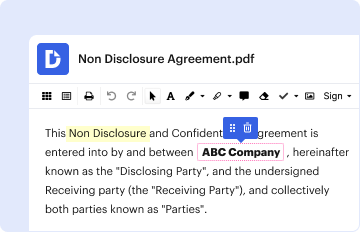
Forms, whether tax-related, legal, or general business forms, have transitioned significantly to an online format, optimizing accessibility and efficiency. An online form is a digital version of a document that can be completed, submitted, and processed directly on the internet. This transition helps streamline workflows, reduces the need for physical paperwork, and facilitates quicker sharing and processing. Online forms typically adhere to a standardized digital format to ensure broad compatibility across various platforms and devices.
Importance of Online Forms
- Efficiency: They eliminate the need for physical handling and storage, reducing time and resources spent on managing documents.
- Accessibility: Users can access and fill out online forms from any location with internet connectivity.
- Environmentally Friendly: They reduce the consumption of paper, supporting environmental sustainability initiatives.
Steps to Complete the Form Online
Completing an online form involves a series of systematic steps that guide users from accessing the form to submitting it efficiently. Here is a detailed breakdown:
-
Access the Form:
- Visit the relevant website (e.g., government, business, or legal service sites).
- Locate the specific form needed by using search features or navigating through service menus.
-
Filling Out the Form:
- Carefully read instructions to understand the requirements.
- Ensure all required fields (marked with an asterisk) are completed to avoid submission errors.
- Input information directly into the designated fields, including checkboxes, radio buttons, and text inputs.
-
Review for Accuracy:
- Double-check all entries for typos or incorrect information.
- Verify that all fields are completed as instructed, especially critical fields that may impact the document's validity.
-
Attach Required Documents:
- Upload any necessary supporting documents if the form requires them (e.g., proofs of identity, previous records).
- Ensure each file adheres to format and size requirements specified on the form page.
-
Signature and Submission:
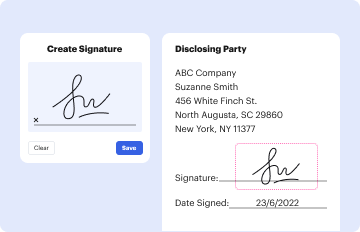
- If applicable, add digital signatures using built-in tools for a legally binding endorsement.
- Submit the form through the provided online submission tool or download it for mailing, if required.
Benefits of Using Online Forms
Online forms offer numerous benefits that enhance both individual and organizational workflows:
- Real-Time Data Processing: Immediate data capture and processing enable quicker decision-making and faster service delivery.
- Error Reduction: Built-in validation rules reduce the likelihood of errors, ensuring higher accuracy in data collection.
- Cost Savings: Reduces costs related to printing, posting, and physical document management.
Required Documents for Form Submission
While the necessary documents may vary based on the type of form, the following are commonly required:
- Identification Documents: Passport, driver’s license, or any valid ID for verification.
- Supporting Statements: Financial statements, tax reports, or legal documents supporting the form's purpose.
- Proof of Address: Utility bills or rental agreements if the form requires residence confirmation.
These documents should be scanned and saved in a compatible format, typically PDF or JPEG, ensuring they meet any file size restrictions imposed by the form system.
Legal Use of the Form Online
Legal considerations are crucial when dealing with online forms, particularly when they involve sensitive information or binding agreements:
- Compliance with Regulations: Online forms must comply with relevant data protection laws, such as the GDPR or CCPA, ensuring users' data is protected.
- Signature Legality: Digital signatures must adhere to legal standards to be considered valid and enforceable.
- Consistent Record-Keeping: Ensures that digital copies are stored and maintained following statutory requirements to allow for future audits or references.
Important Terms Related to Form Online
Understanding specific terminology associated with online forms enhances user comprehension and experience:
- Field Validation: Ensures the entered information meets specific criteria before submission.
- SSL Encryption: Protects data transmitted through forms during online transactions.
- Interactive Elements: Features such as drop-down lists, checkboxes, and conditional logic corridors that make forms dynamic.
Software Compatibility
Online forms are often compatible with various software tools to improve accessibility and functionality:
- Document Management Systems: Integration with platforms like DocHub, ensuring seamless document handling and workflow management.
- Tax Preparation Software: For tax-related forms, compatibility with software like TurboTax or QuickBooks is essential for accurate financial processing.
- Cloud Storage Services: Allow saving and accessing completed forms from providers like Google Drive or Dropbox for ease of access and sharing.
Examples of Using the Form Online
Employing forms across different fields showcases their versatility and impact:
-
Insurance Forms: State retirees can manage their health insurance plans through online enrollment forms, simplifying the process of adjusting or enrolling in new policies.
-
Business Applications: LLC or Corporation formation documents can be completed online, facilitating quick establishment processes for new businesses.
-
Tax Filings: Online tax forms streamline the tax filing process by allowing taxpayers to submit their forms from home without needing physical forms.
By understanding these foundational aspects and effectively utilizing online forms, users and organizations can significantly enhance operational efficiency and data management practices.