





Definition and Meaning of Form Online
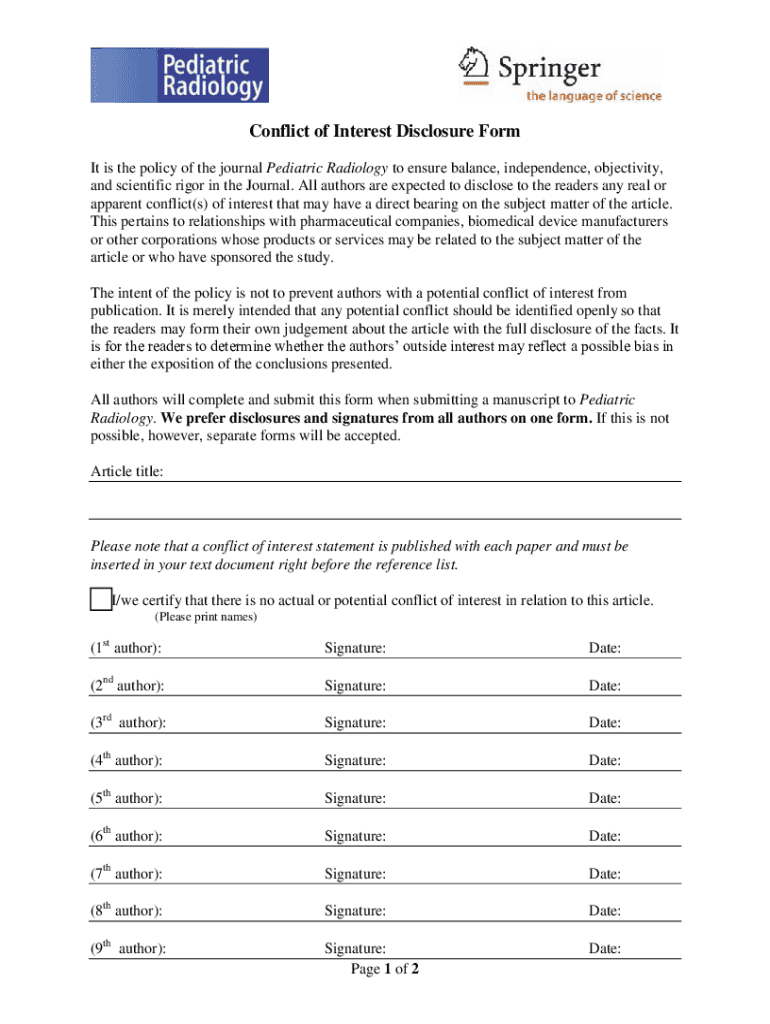
"Form online" refers to an electronic version of a traditional paper form that users can fill out and submit through the internet. These forms can encompass a wide range of applications, from tax filings to job applications, and provide a convenient way to streamline data collection. The main advantage of completing forms online is the capacity for immediate submission and processing, reducing the time spent on paperwork and mailing. Additionally, most online forms support features like auto-save, form validation, and prefilled data to enhance user experience and accuracy.
Advantages of Online Forms
- Immediate Submission and Confirmation: Unlike paper forms, submitting an online form allows for instant acknowledgment of receipt.
- Environmentally Friendly: Reduces the need for physical paper and ink, contributing to sustainability.
- Enhanced Accessibility: Users can fill out forms from any location with internet access, using devices such as smartphones, tablets, or computers.
- Easy Integration with Databases: Information from online forms can be automatically fed into existing digital systems for analysis or record-keeping.
How to Use the Form Online
To use a form online effectively, users typically need to follow a structured process. This often involves accessing the form through a web portal, completing the required fields, and submitting the form for processing.
- Access the Form: Navigate to the website where the form is hosted. Users might need to create an account or log in to gain access.
- Complete Required Fields: Fill in all mandatory sections marked by the form. Optional fields can be filled as needed.
- Review Information: Carefully check all entered data for accuracy and completeness before submission.
- Submit the Form: Click on the submit button, after which a confirmation message or email is often sent.
Tips for Efficient Use
- Use Autofill Options: Save time by enabling browser autofill to automatically enter your previously used information.
- Check Internet Connection: A stable internet connection is necessary to prevent data loss during submission.
- Utilize Save Features: If the form allows, use the 'Save' feature to prevent data loss in case of interruptions.
Steps to Complete the Form Online
Completing an online form generally entails a step-by-step approach. Understanding this process improves efficiency and minimizes errors. Here is a typical breakdown:
- Identify the Form Type: Determine the exact form you need based on the requirement, such as a tax return or application form.
- Gather Necessary Information: Before filling out the form, ensure all relevant documents and personal data are available for reference.
- Input Information: Enter the data into the designated fields. Ensure that mandatory fields are completed to proceed.
- Add Attachments: If the form requires documents, use the upload function to attach relevant files.
- Verify Details: Double-check all details for errors or omitted information to ensure accuracy.
- Submit the Form: Once satisfied with the information, submit the form, and if prompted, retain a copy for personal records.
Who Typically Uses the Form Online
Online forms are used by a broad spectrum of individuals and organizations. They are particularly advantageous for sectors that handle frequent and large volumes of data collection.
- Businesses: For applications like sales orders, customer feedback, and data collection.
- Government Agencies: To facilitate public interaction through licenses, permits, and census data.
- Educational Institutions: For student applications, enrollments, and evaluations.
- Healthcare Providers: For patient information forms, insurance claims, and appointment requests.


Example Use Cases
- Job Applications: Candidates fill out forms online to apply for positions, which include personal information and résumés.
- Tax Filing: Taxpayers use electronic forms to submit their taxes, ensuring faster processing and refunds.
Important Terms Related to Form Online
Understanding key terms related to online forms can significantly improve the user's ability to navigate and complete them accurately.
- Mandatory Fields: Required sections of a form that must be completed before submission.
- Validation: The process by which the form checks if the data entered meets certain criteria and is valid.
- Captcha: A security feature used to ensure that forms are filled out by humans and not automated bots.
- Electronic Signature: A digital form of a signature that can be used to verify the identity of the signer.
Legally Binding Electronic Signatures
Electronic signatures offer a legal substitute for handwritten signatures in digital transactions. They are recognized under the ESIGN Act in the United States, providing the same validity and enforceability as traditional signatures.
Creating an Electronic Signature
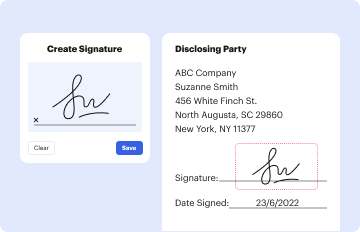
- Draw: Use a mouse or touchscreen to create a freehand signature.
- Type and Style: Type your name and apply a font style that replicates a signature.
- Upload: Import an image of your handwritten signature.
Ensuring Validity
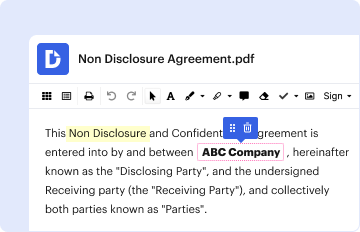
- Signer Authentication: Use of secure login credentials, such as usernames and passwords, to verify identity.
- Integrity: Ensure that the signed document is unaltered post-signature through encryption and timestamps.
Software Compatibility for Form Online
Online forms typically require compatibility with various software applications to facilitate filling out, submission, and data integration processes efficiently.
- Web Browsers: Ensure compatibility with browsers such as Chrome, Firefox, or Safari for seamless access.
- PDF Readers: For forms that involve downloadable components, make sure that PDF readers like Adobe Acrobat are up to date.
- Office Applications: Forms integrated with applications like Word or Excel can streamline data import/export.
Popular Software Integrations
- Google Workspace: Synchronizing forms with Google Drive or Gmail for direct editing and sharing.
- Microsoft Office: Importing and exporting data between forms and Excel or Word for better data manipulation.
Penalties for Non-Compliance
Not adhering to submission guidelines for online forms, especially in regulatory or legal contexts, can lead to penalties. These can include fines, late fees, or failure to document compliance.
Common Scenarios
- Late Submission: Missing a deadline might result in financial penalties or application rejection.
- Incomplete Forms: Failure to provide mandatory information can delay processing or lead to non-compliance reports.
- Misrepresentation: Providing false information, whether intentional or inadvertent, can have legal repercussions.
By understanding these detailed aspects, users can maximize the utility and efficiency of online forms.