




Definition and Meaning
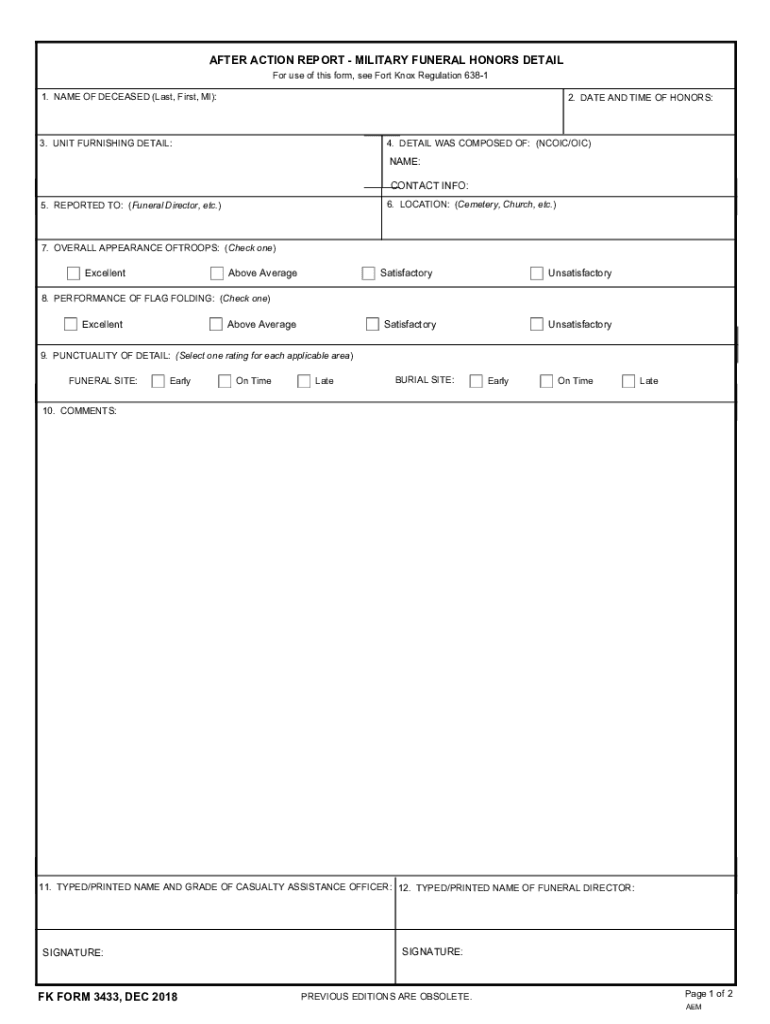
In the digital age, the term "form online" refers to digital versions of traditional paper forms. These documents are used widely across industries to facilitate processes such as application submissions, data collection, and information exchange. An online form can encompass various formats like surveys, job applications, feedback forms, and more, designed to be filled out and submitted over the internet. Unlike their paper counterparts, online forms offer interactive fields that adapt the user experience depending on responses, ensuring data accuracy and seamless usability.
How to Use the Form Online
To use an online form efficiently, familiarize yourself with its structure and components. Begin by accessing the form through a web browser on any device. Follow these steps to fill out a form online:
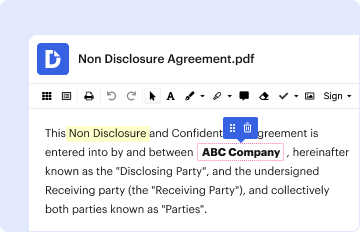
- Access the Form: Locate the form's URL from a website, email, or document hosting service like DocHub.
- Review Instructions: Before starting, read any guidelines or instructions provided to understand what information is required.
- Fill in Fields: Enter your information in the designated fields such as text boxes, dropdown menus, or checkboxes.
- Attach Files: If the form requests additional documents, use the upload function to attach necessary files.
- Review and Submit: Double-check all entered data for accuracy. After confirming, submit the form through the platform interface.
Steps to Complete the Form Online
Completing an online form involves several straightforward stages, which enhance clarity and ensure accuracy in data collection:
- Understand the Purpose: Knowing the goal of the form helps in providing relevant information. Review any prefilled sections or requirements.
- Collect Required Information: Gather all necessary documentation or data points beforehand to avoid interruptions.
- Complete the Form: Follow step-by-step instructions for each section, filling out fields as required.
- Check for Errors: Thoroughly go through your entries to ensure no mistakes have been made, and that all mandatory fields are filled.
- Submit for Processing: Once the form is complete and reviewed, click the submit button. Some platforms provide a confirmation message stating the form has been successfully submitted.
Why Should You Form Online
Using online forms offers significant advantages over traditional paper forms. They are designed to streamline tasks and improve efficiency in various contexts, from business operations to personal applications:
- Convenience: Accessible anywhere with internet connectivity, online forms eliminate geographical restrictions.
- Efficiency: Automates data entry processes, reducing errors and minimizing administrative workload.
- Cost-Effective: Online forms mitigate printing and distribution costs associated with paper forms.
- Real-Time Collaboration: Facilitates simultaneous input from multiple participants, enhancing teamwork and communication.
- Sustainability: Environmentally friendly, reducing paper usage and waste.
Key Elements of the Form Online
Online forms contain primary components designed for user interaction. Recognizing these elements helps in effective form completion:
- Input Fields: Areas where users can type data such as names, addresses, or descriptions.
- Selection Options: Dropdown menus, radio buttons, and checkboxes allow users to select from predefined choices.
- Submission Button: A clickable element that submits the form for processing.
- Error Messages: Notifications regarding incorrect or incomplete entries that must be addressed before submission.
- Instructional Text: Provides guidance to assist users in accurately completing the form.
Legal Use of the Form Online
Legal considerations are paramount when utilizing online forms. They must meet certain standards for authenticity and security to be considered valid:
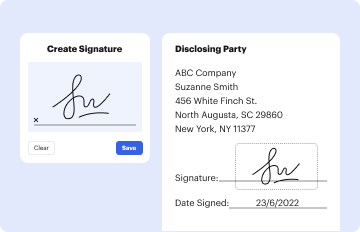
- Compliance with Regulations: Forms should adhere to laws such as the ESIGN Act, which gives electronic signatures the same legal standing as paper ones.
- Data Privacy: Forms should include privacy statements to inform users how their data will be used and protected.
- Authentication Measures: Implementing user verification processes ensures only authorized individuals can access and submit sensitive information.
Examples of Using the Form Online
Online forms serve myriad uses across different sectors. Here are some examples:
- Healthcare: Patient intake forms streamline the registration process, allowing clinics to efficiently manage data.
- Education: Application forms for schools or scholarships efficiently gather detailed student information.
- Government: Forms such as the IRS W-9 are submitted online to facilitate tax reporting and compliance.
- Business: Employee onboarding forms collect necessary personal and professional information swiftly.
- Retail: Customer satisfaction surveys gather feedback to improve service and product offerings.
Software Compatibility
Online forms, including those supported by platforms like DocHub, are compatible with a wide range of software tools, enhancing integration with existing systems:
- Document Software: Compatible with PDF editors and document management platforms like Adobe Acrobat.
- Cloud Services: Support for services like Google Drive and Dropbox allows easy file sharing and storage.
- Accounting Tools: Integration with software such as QuickBooks or TurboTax for financial forms.
- Email Platforms: Forms can be used seamlessly with email clients for easy distribution and submission tracking.
This comprehensive coverage illustrates the utility and intricacy of online forms, detailing their functions, benefits, and application scenarios across various fields.