






Definition & Meaning
Understanding "form online" is essential for anyone looking to streamline document management. "Form online" typically refers to electronic versions of documents that can be filled out and submitted over the internet. These digital forms have become an integral part of both personal and business transactions as they offer a convenient and efficient way to gather information and perform tasks that traditionally required physical paperwork. Whether you are applying for a job, filing taxes, or creating a contract, online forms simplify these processes by allowing users to fill, submit, and share documents electronically.
How to Use the Form Online
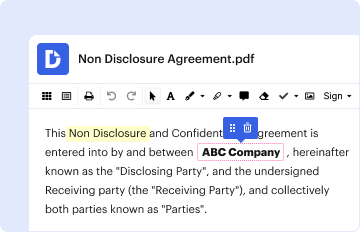
Using an online form involves several straightforward steps. First, access the form on the relevant platform, such as DocHub, which provides tools for editing, signing, and submitting documents electronically. Once you have located the form, download or open it directly in the platform's editor. Fill out the required fields by typing in information, selecting options, or using integrated features such as text boxes and checkboxes. After completing the form, review it to ensure all information is accurate. Finally, save any changes and use the platform's submission options to send the completed form to the appropriate recipient.
Key Steps in the Process
- Access the Form: Locate it on the website or platform.
- Fill Out Fields: Use text boxes, checkboxes, and other fields to input data.
- Review Information: Double-check entries for accuracy.
- Submit the Form: Use integrated submission tools to send it to the recipient.
How to Obtain the Form Online
Obtaining an online form can be done in several ways, depending on the requirements and the platform hosting the form. Most forms can be accessed through the website of the governing body or organization managing them. For instance, DocHub allows users to import documents from various sources, including cloud services like Google Drive, Dropbox, and OneDrive. Once acquired, forms are available for immediate use within the platform's document editor.
Obtaining from Various Sources
- Official Websites: Many forms are available directly from official government or organization websites.
- Cloud Services: Import forms from Google Drive, Dropbox, and other cloud storage options.
- Direct Platforms: Access forms directly from platforms like DocHub.
Steps to Complete the Form Online
Completing an online form requires attention to detail and familiarity with digital tools. Start by opening the form within a document management platform like DocHub. Ensure you have all necessary information and documents before beginning the process. Use the editor to fill in the fields, which may include typing text, selecting multiple-choice options, and inserting signatures. Pay close attention to any mandatory fields noted by asterisks or other indicators.
Detailed Steps
- Open the Document: Use a compatible platform or editor.
- Fill in the Information: Complete all fields accurately.
- Include Attachments: Add any required supporting documents.
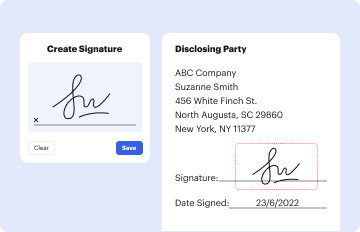
- Sign Electronically: Use tools to apply digital or electronic signatures.
- Submit and Save: Once completed, save the document and submit it accordingly.
Why Should You Form Online
Opting to complete forms online offers numerous advantages over traditional paper forms. It enhances efficiency by reducing time spent on manual input, expedites processing times, and minimizes errors through digital validation. Additionally, online forms are easily accessible, can often be filled out from any location, and allow for seamless collaboration and sharing among parties involved in the process.
Benefits of Using Online Forms
- Efficiency: Faster processing and reduced need for manual data entry.
- Convenience: Accessible from virtually any device with internet access.
- Accuracy: Reduces errors with digital validation and required field checks.
- Collaboration: Easy to share and review among multiple users.
Important Terms Related to Form Online
Understanding key terms associated with online forms helps in navigating and using these tools effectively. Some critical terms include electronic signature, form fields, encryption, authentication protocols, and cloud storage integration. Each of these plays a vital role in the security, functionality, and accessibility of online forms.
Definitions
- Electronic Signature: Legally binding digital signatures that can replace handwritten ones.
- Form Fields: Interactive elements in a document where information is inputted.
- Encryption: A security measure to protect data during transfer and storage.
- Authentication Protocols: Security processes that verify user identities.
- Cloud Storage Integration: Ability to access and use files from cloud-based services.
Key Elements of the Form Online
Online forms are composed of multiple essential elements to make them functional and user-friendly. These include fillable fields such as text boxes, checkboxes, and dropdown menus. Signature fields enable the inclusion of electronic signatures, ensuring documents remain legally binding. Additionally, validation checks help ensure that the information provided is complete and accurate.
Key Components
- Fillable Fields: Allow users to input data directly into the form.
- Signature Fields: For the addition of electronic signatures.
- Validation Checks: Ensure that all required information is entered correctly.
Legal Use of the Form Online
Using online forms legally involves adhering to guidelines set by various regulatory bodies, such as the ESIGN Act in the U.S., which governs the validity of electronic records and signatures. Online forms must conform to these standards to be considered legally binding. It is crucial to understand these legal frameworks to ensure compliance and avoid any legal issues related to electronic documentation.
Compliance Guidelines
- ESIGN Act: Federal law that accords legal validity to electronic signatures and documents.
- Security Standards: Forms must meet data protection and privacy requirements.
- Record Keeping: Maintain copies of submitted forms for legal and administrative purposes.