





Definition & Meaning of Form Online
Form online refers to any form that can be accessed, filled, and submitted using digital platforms or services, such as a website or a document management platform like DocHub. These forms eliminate the need for physical paperwork and allow users to complete necessary documentation digitally. In this context, form online encompasses a variety of applications, from tax forms to legal requirements and business applications. The use of online forms streamlines processes by enabling easy distribution, rapid completion, and digital submission.
How to Use the Form Online
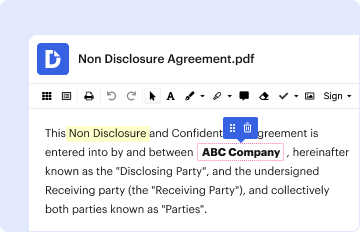
Using forms online involves navigating to a document management platform, like DocHub, where users can access specific forms required for their needs. The process often includes the following steps:
- Access the Platform: Log into a service like DocHub where forms are available.
- Search or Select the Form: Find the specific form needed by using the search function or browsing the form library.
- Complete the Form: Use the platform’s editing tools to fill in the required information, which may include typing text or selecting options from dropdown menus.
- Save and Submit: Once completed, the form can be saved for personal records or submitted through the platform's submission options, which could include sharing links or direct emailing.
How to Obtain the Form Online
Forms can be obtained online through several methods:
- Visit the Document Management Platform: Access forms provided by services like DocHub by logging in or signing up for an account.
- Download from Official Websites: Many organizations offer downloadable forms on their websites, such as the IRS for tax documents.
- Cloud Storage Integration: Platforms like DocHub allow users to import forms directly from cloud storage services, such as Google Drive, Dropbox, or OneDrive.
Steps to Complete the Form Online
Completing a form online typically follows these steps:
- Open the Form: Choose the form you wish to complete from the platform or imported documents.
- Input Required Information: Fill in necessary fields using text boxes, and ensure dropdown selections are correct.
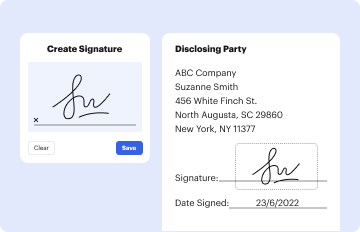
- Sign the Form: Use electronic signature options to sign if required.
- Review for Accuracy: Double-check information for errors or omissions.
- Submit the Form: Use the platform's options to submit or share the form with the necessary parties.
Why Should You Form Online
Using online forms offers several advantages:
- Efficiency: Filling out forms online is faster than printing and filling them manually.
- Eco-Friendly: Reduces paper usage, contributing to environmental conservation.
- Convenience: Forms can be completed from anywhere with internet access, overcoming geographic limitations.
- Error Reduction: Electronic forms often include validation checks that minimize input errors.
Important Terms Related to Form Online
Several terms are associated with using forms online:
- Digital Signature: An electronic way of signing a document, verified by the platform for legal compliance.
- Encryption: Protecting form data during transmission and storage, such as using 256-bit SSL encryption.
- OAuth 2.0: Authentication protocol ensuring secure access to online platforms.
- Form Fields Manager: A feature that allows customization of fillable fields for efficient information collection.
Legally Binding Electronic Signatures
Electronic signatures on forms submitted online are legally binding, adhering to acts such as the ESIGN Act in the United States. Within platforms like DocHub, users can choose to draw, type, or upload a signature, ensuring flexible options for all preferences. These signatures carry the same legal weight as handwritten signatures and are verified by the platform to maintain integrity and security.
State-Specific Rules for the Form Online
Some forms online may have state-specific guidelines and requirements, especially for legal and tax documents. For instance, filing an ex parte motion in the New Hampshire Judicial Branch requires adherence to local legal standards, including specific documentation and notification procedures. Users should verify state-specific rules when working with forms online to ensure compliance.
Examples of Using the Form Online
Real-world scenarios commonly using forms online include:
- Filing Taxes: Individuals and businesses often complete and submit tax forms digitally through platforms like DocHub or official government websites.
- Legal Documents: Many legal processes, such as filing motions, demands for hearings, or submitting contracts, take place via online forms.
- Application Processes: Job applications, university forms, and even loan applications are increasingly handled online for quicker processing and reduced manual effort.
Key Elements of the Form Online
An online form typically includes:
- Title and Description: Ensures users recognize the form's purpose quickly.
- Fillable Fields: Interactive spaces for inputting necessary information, such as text fields, checkboxes, and dropdowns.
- Submission Instructions: Information on how to submit the form once completed.
- Validation Controls: Automated checks that ensure all necessary sections are completed before submission.
Software Compatibility
DocHub offers seamless integration with various software solutions to enhance form online usage:
- Google Workspace Integration: Direct import and export between Google Drive and DocHub without leaving the Google environment.
- Cloud Storage Compatibility: Supports importing from and exporting to major platforms like Dropbox and OneDrive.
- Extensive Format Support: Beyond PDF, DocHub allows handling DOC, PPT, XLS, and TXT files, ensuring wide-ranging document and form compatibility.