





Definition and Meaning of "Form Online"
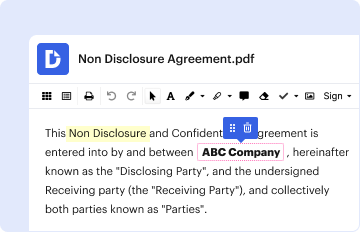
Forms that are available and can be filled out digitally via the internet fall under the category of "form online." These forms simplify data collection and improve access, allowing users to complete necessary paperwork from any location with internet access. They serve various purposes, from official government filings to everyday business processes.
Online forms can be utilized for applications, registrations, feedback, and more. Notably, they often include fields for text inputs, checkboxes, and dropdown menus, ensuring they can cater to diverse requirements. The digital nature also supports easy storage and retrieval, enhancing efficiency in administrative processes.
How to Use the Form Online
To use an online form, navigate to the corresponding website where the form is hosted. The website typically guides you through accessing and filling out the form. Carefully read any provided instructions to ensure that you understand the requirements before starting.
-
Access and Open the Form:
- Visit the website hosting the form.
- Locate and click the link to open the form.
-
Fill Out the Form:
- Enter information into the provided fields, using guidance to ensure accuracy.
- Use dropdown menus and checkboxes where applicable.
-
Review and Submit:
- Double-check all information for correctness.
- Follow submission instructions, whether it's clicking a submit button or addressing other directives.
Many online forms allow you to save your progress and return later, providing convenience for longer forms that require detailed information gathering.
Steps to Complete the Form Online
Completing an online form involves specific steps to ensure accuracy and completeness. Here's a structured approach:
-
Prepare Necessary Information:
- Gather all needed documentation and personal details before starting.
- Consider printing any instructions for easy reference while completing the form.
-
Enter Information:
- Start by entering basic details such as name, contact information, and address.
- Provide specific data as required, ensuring each field is addressed.
-
Attach Documents:
- If the form requires attachments, upload the necessary documents following the format guidelines described in the form's instructions.
-
Final Review:
- Check each entry for accuracy, verifying all sections are completed.
- Correct any errors or omissions before proceeding to submit.
This step-by-step process can vary slightly depending on the form’s complexity and purpose.
Key Elements of the Form Online
Online forms typically incorporate several key elements that enable their function:
- Form Fields: These are areas where users input or select data. They include text boxes, dropdown menus, and checkboxes.
- Guidelines Section: Provides detailed instructions on how to fill out the form correctly.
- Submit Button: Facilitates the electronic submission of the form directly through the platform.
- Automated Features: Includes validation mechanisms that check inputs in real time, ensuring compliance with required formats.
Understanding these components can improve the user experience, making it easier to complete and submit forms accurately.
Legal Use of the Form Online
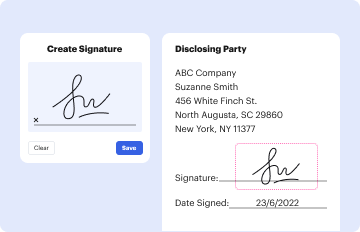
Online forms often hold legal significance, necessitating compliance with specific laws and regulations. For instance, a digital signature on a form online can be legally binding, provided it complies with the Electronic Signatures in Global and National Commerce (ESIGN) Act.
- Authentication Protocols: Such as OAuth 2.0, often used to ensure secure access and submission.
- Data Protection: Adherence to privacy laws, ensuring data is secure and used as stated in privacy policies.
- Compliance: Ensuring all collected information aligns with legal standards applicable to the form’s purpose.
Understanding the legal implications of online forms can prevent misuse and ensure that the submitted data is treated according to the law.
Examples of Using the Form Online
Online forms have vastly improved the efficiency of many industries. Examples of their use include:
- Housing Applications: Forms like the EdIndex allow individuals to apply for rental properties digitally, streamlining the housing application process.
- Job Applications: Many employers use online forms to collect candidate information due to their efficiency and convenience.
- Feedback Forms: Companies use these to gather customer opinions, which can be analyzed for business improvements.
Each application of online forms demonstrates their flexibility and broad applicability across different sectors.
Required Documents for Form Online
Completing online forms often requires submitting additional documents, depending on the form’s purpose:
- Personal Identification: Such as a driver’s license or passport.
- Financial Documents: Including payslips or bank statements, particularly for financial or housing applications.
- Professional Qualifications: Certificates or proofs necessary for job applications or professional licensing.
Ensuring all required documents are uploaded correctly is crucial for a comprehensive and complete form submission.
Form Submission Methods (Online, Mail, In-Person)
Most forms designed for online completion offer multiple submission options:
- Online Submission: The most common method, allowing direct submission through the website.
- Mail Submission: For users who may prefer or require a hard copy, some forms provide an option to print and mail.
- In-Person Submission: Some forms might still necessitate physical submission, particularly if they need notarization or other physical verification.
Flexibility in submission methods helps accommodate users with different preferences and access capabilities, enhancing inclusivity in form processes.