





Definition & Meaning
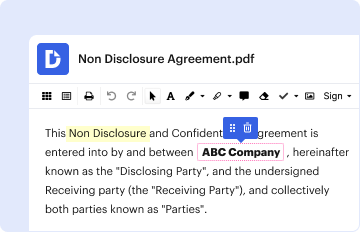
The term "form online" generally refers to digital forms that can be accessed, completed, and submitted through the internet. These forms are used for various purposes, including applications, registrations, and compliance reporting. By utilizing online forms, users benefit from enhanced accessibility and streamlined processes compared to traditional paper forms.
Online forms often include fields for inputting text, selecting options from drop-down menus, and attaching additional documents when necessary. This digital format enhances user convenience by allowing individuals to complete forms from any device with internet access.
How to Use the Form Online
To utilize an online form effectively, begin by locating the specific form you need on the relevant website. Most platforms, such as DocHub, offer user-friendly interfaces that allow you to search for and identify the appropriate form based on your requirements.
Once the form is open, follow these steps:
- Review the Instructions: Carefully read any accompanying guidelines to ensure you understand what information is needed.
- Fill in the Required Fields: Input data accurately in all mandatory sections to prevent issues during submission.
- Attach Necessary Documents: If the form requires supporting documents, ensure they are uploaded in the correct format.
- Submit the Form: After completing all sections, follow the on-screen instructions to submit the form online. Confirmation or reference number may be provided as proof of submission.
Steps to Complete the Form Online
Filling out an online form requires attention to detail and a systematic approach. Here is a step-by-step guide:
- Access the Form: Navigate to the website hosting the form and click on the link or button to open it.
- Enter Personal Information: Start with basic details such as your name, contact information, and any identification numbers.
- Provide Specific Answers: Continue with any additional questions or sections relevant to the purpose of the form.
- Use Interactive Elements: Many online forms include interactive components like date pickers and checkboxes to simplify the process; utilize them accordingly.
- Verify Information: Double-check all entries for accuracy and completeness.
- Finalize and Submit: Once verified, submit the form by clicking the designated button. Save or print any confirmation page for your records.
Why Should You Form Online
Completing forms online offers several advantages, making this method preferable in many scenarios:
- Convenience: Accessible from anywhere, reducing the need to visit physical offices.
- Efficiency: Streamlines the completion and submission process, often resulting in faster processing times.
- Accuracy: Reducing manual entry errors, as some fields can auto-fill from existing databases or previous submissions.
- Eco-Friendly: Minimizes paper usage and waste.
- Traceability: Allows users to track submissions and stay updated on status changes electronically.
Important Terms Related to Form Online
Understanding key terms associated with online forms can enhance your experience and effectiveness:
- Fillable Fields: Areas within the form where users input information (e.g., text boxes, drop-down menus).
- Submission Confirmation: An acknowledgment receipt provided after successfully submitting a form.
- Encryption: Security measures ensuring data transferred through the form remains confidential.
- Authentication: Verification process confirming the user's identity before submission.
- Responsive Design: Ensures forms are accessible and functional on various devices, including mobile phones and tablets.
Legal Use of the Form Online
Online forms must comply with legal standards to ensure validity and enforceability. Consider these aspects:
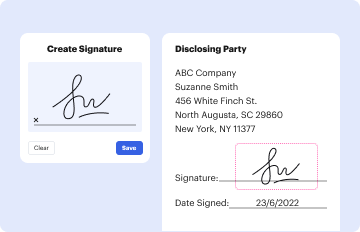
- Digital Signatures: Ensure compliance with the ESIGN Act for electronic signatures, making them legally equivalent to handwritten signatures.
- Data Privacy: Adherence to data protection legislations such as GDPR or CCPA to safeguard user information.
- Document Retention: Understand the retention policies for form submissions, which may vary depending on the form's nature and local laws.
Examples of Using the Form Online
Online forms can be used across various fields and applications. Here are some examples:
- Tax Filings: Submit IRS forms for personal and business taxes electronically to streamline the process.
- Business Registrations: Complete applications for business licenses or patents online.
- University Applications: Apply to colleges and universities using online application forms.
- Job Applications: Submit resumes and cover letters through employer-provided online forms.
- Insurance Claims: File claims by filling out insurer’s online forms, attaching relevant documents directly.
Key Elements of the Form Online
Certain elements are crucial for an effective online form:
- User Interface (UI): A clean, intuitive layout for easy navigation and entry.
- Validation Rules: Automated checks to ensure data accuracy and prevent incomplete submissions.
- Customizable Templates: Options to adapt the form to specific needs or preferences.
- Conditional Logic: Allows the form to change dynamically based on user responses, showing or hiding sections as needed.
- Security Features: Robust measures to protect personal and sensitive information from unauthorized access.