




Definition & Meaning
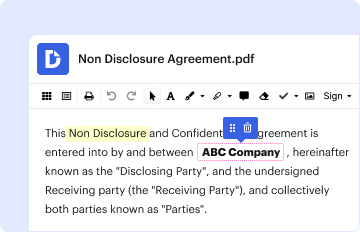
"Form online" refers to the digital version of traditional paper forms, allowing users to complete, submit, and manage them electronically. These forms can serve a variety of purposes, such as applications, registrations, surveys, or legal agreements. By utilizing online forms, individuals and businesses can streamline operations, reducing the time and resources typically spent on manual processing. Forms are often designed to be interactive, guiding users through a structured data collection process, which improves accuracy and efficiency.
The Evolution of Forms
Forms have evolved from simple paper documents to sophisticated online tools. The transition to digital forms allows for automatic data validation, real-time error checking, and seamless integration with databases and other systems. This shift reflects the growing need for more efficient and accessible ways to collect and process information in the digital age.
Benefits of Online Forms
- Accessibility: Forms can be accessed from any device with an internet connection.
- Error Reduction: Automated validation improves data accuracy.
- Integration: Forms can link directly to databases and enterprise systems for seamless data flow.
- Time Efficiency: Reduces the need for manual input and data entry.
How to Use the Form Online
Using an online form generally involves accessing the form through a web browser, completing the required fields, and submitting it electronically. Most forms guide users with clear instructions and provide feedback if any information is missing or incorrect.
Steps to Use an Online Form
- Access the Form: Open the form link provided by the institution or organization.
- Fill in Personal Details: Enter your personal information where required.
- Answer Any Specific Questions: Some forms may require detailed responses or documentation to be uploaded.
- Review Entries: Ensure that all information is correct before submission.
- Submit Form: Click the submit button to send your form for processing.
Real-World Example
Consider a university application form online, where a prospective student can complete their application by entering personal details, uploading transcripts, and writing a personal statement. This process is more efficient than mailing physical documents, allowing for quicker response times and less risk of lost paperwork.
How to Obtain the Form Online
To obtain an online form, users typically visit the website of the organization that issues the form. Forms can often be found in a dedicated section labeled “Forms,” “Resources,” or “Downloads.” Many organizations also distribute links to forms via email or online portals.
Methods to Access Forms
- Official Websites: Visit the website of the issuing authority.
- Email Requests: Receive direct links through email communication.
- Online Portals: Access forms through secure login portals provided by businesses or educational institutions.
Examples
Government services, such as those from the IRS or DMV, often provide online forms through their official websites. Businesses might use internal portals to distribute forms to employees securely.
Steps to Complete the Form Online
Completing an online form involves a series of steps designed to verify the accuracy and completeness of information provided. This process can vary slightly depending on the type of form or the platform used.
Detailed Step-by-Step Process
- Login/Register (if necessary): Some forms require you to create or use an existing account.
- Read Instructions Carefully: Before entering any data, review any instructions or guidelines provided.
- Input Information: Provide the requested information in the appropriate fields.
- Upload Documents: Attach any required documents in specified formats (e.g., PDF or JPEG).
- Verify Input: Double-check the data for errors or omissions.
- Preview the Form (if possible): Review a summary of the inputs before submission.
- Final Submission: Submit the form and wait for a confirmation message or email.
Special Considerations
Certain forms might have mandatory fields or time limits for completion. Users should ensure their internet connection is stable to prevent data loss during submission.
Important Terms Related to Form Online
Understanding key terminologies associated with online forms helps in accurately completing these forms. Terms like "authentication," "encryption," and "data validation" are crucial for grasping the security and operational aspects of online forms.
Common Terms
- Authentication: Verification of identity before accessing or submitting forms.
- Encryption: A security measure to protect data transmitted online.
- Data Validation: Ensures that input data meets predetermined formats and criteria.
Practical Implications
Knowing these terms can help users appreciate the security measures in place and the importance of accurate data entry. This knowledge also aids in troubleshooting issues that might arise during the form-filling process.
Who Typically Uses the Form Online
A wide variety of users, including businesses, government agencies, educational institutions, and individuals, make use of online forms. They cater to diverse needs, such as applying for loans, registering for events, or submitting feedback.

User Categories
- Individuals: For personal applications, surveys, or registrations.
- Businesses: For internal processes, customer feedback, and order submissions.
- Government Agencies: For applications like visas, tax returns, and permits.
- Educational Institutions: For admissions, scholarships, and course registrations.
Examples by Industry
In the healthcare sector, patients might use online forms to update medical records or request appointments. In the finance sector, companies use forms for loan applications or investment inquiries.
Legal Use of the Form Online
Forms online are subject to various legal regulations to ensure compliance and validity. These include electronic signature laws, data protection rules, and accessibility standards.
Legal Framework
- ESIGN Act: Governs the legality of electronic signatures in the U.S.
- GDPR/CCPA Compliance: Protects personal data and privacy for users.
- Accessibility Standards: Ensures forms are usable by all individuals, including those with disabilities.
Compliance Scenarios
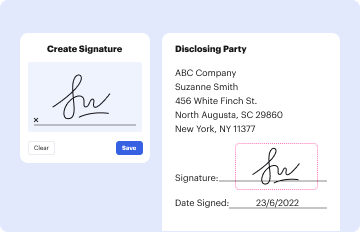
For example, a rental agreement signed electronically is legally binding under the ESIGN Act. Businesses must ensure compliance with data protection laws when collecting personal information through online forms.
State-Specific Rules for the Form Online
Forms online might be subject to different rules and regulations based on the state. These variations can affect everything from tax forms to business registrations.
State Variations
- Filing Deadlines: Different deadlines for tax forms depending on the state.
- Business Regulations: Specific licensing forms may have state-specific requirements.
Navigating State Differences
It is crucial for users to be aware of their state’s requirements, especially when dealing with legal documents, to avoid penalties for non-compliance. Consulting a legal expert or accessing government websites can provide clarity on specific state rules.