







Definition and Meaning
The term "form online" refers to any document or template that can be completed and submitted via the internet, as opposed to traditional paper forms. This can encompass a wide range of applications, from tax filings and legal documents to simple feedback forms. The online format facilitates ease of access and convenience, enabling users to fill out forms on a variety of devices, including computers, tablets, and smartphones.
Forms online serve multiple purposes across industries, making them essential tools for data collection, communication, and transaction processing. Their digital nature allows for integrated features such as automated calculations, data validation, and instant submission—streamlining processes that would otherwise be cumbersome in a paper format.
How to Use the Form Online
Using a form online typically involves accessing the form through a web browser or dedicated application. The process is often straightforward, with clear instructions provided at each stage to guide the user. Here are common steps involved:
-
Access the Form: Navigate to the website or platform that hosts the form. This could be a governmental site, a business portal, or a service like DocHub.
-
Fill in Required Fields: Enter the necessary information in the prompted fields, ensuring that all mandatory areas are completed. This might involve typing text, selecting options from dropdown menus, or ticking checkboxes.
-
Attach Supporting Documents: Some forms allow for or require the addition of supporting documents, which can often be uploaded directly from your device or a linked cloud storage service.
-
Review and Edit: Before submission, review the provided information for accuracy. Many platforms offer features for editing previously entered details.
-
Submit the Form: Finalize by submitting the form according to the guidelines, which could involve simply clicking a submit button or following a series of steps to ensure secure transmission.
Steps to Complete the Form Online
Completing an online form involves several detailed procedures, ensuring accuracy and compliance:
-
Reading Instructions: Start by reading any provided instructions carefully to understand the requirements and expectations.
-
Entering Accurate Data: Input data as accurately as possible, double-checking numbers and spellings to prevent errors.
-
Using Auto-Fill Options: Take advantage of auto-fill options if available, enabling faster data entry by populating fields with previously stored information.
-
Saving Progress: Periodically save your progress if the form is lengthy to avoid losing information, especially if your session times out.
-
Checking for Errors: Use error-checking tools if provided, which can highlight missing sections or potential mistakes.
-
Final Review and Submission: Conduct a final review to ensure nothing has been missed. After submission, save or print the confirmation page for your records.
Who Typically Uses the Form Online
A variety of individuals and entities utilize online forms, including but not limited to:
- Individuals: Looking to file taxes, apply for loans, or provide feedback.
- Businesses: Collecting data, processing transactions, or streamlining customer onboarding.
- Government Agencies: Distributing surveys, processing applications, and handling compliance reporting.
- Educational Institutions: Managing admissions, collecting research data, and conducting assessments.
By catering to such a diverse audience, online forms demonstrate versatility and adaptability, ensuring they can fulfill different requirements efficiently.


Key Elements of the Form Online
Essential components of an online form often include:
- Input Fields: Text boxes, radio buttons, and checkboxes for user data entry.
- Validation Features: Automated checks to confirm data accuracy in real-time.
- Conditional Logic: Adjustments made to which sections appear based on user responses.
- Submission Tracker: A process indicator showing how much of the form is completed.
- Confirmatory Section: Confirmation message or email after successful submission, often accompanied by a reference or tracking number.
These elements work in tandem to create a user-friendly and efficient experience, minimizing confusion and errors.
Legal Use of the Form Online
The legal use of online forms is governed by various regulations to ensure compliance and data security:
- ESIGN Act Compliance: Electronic signatures captured via online forms must comply with the ESIGN Act, making them legally binding.
- Data Protection Laws: Forms must adhere to data protection regulations such as GDPR or CCPA, which govern data privacy and consent.
- Secure Data Transmission: Encryption protocols like SSL should be in place to protect data during transmission.
Ensuring legal compliance is essential to maintaining trust and protecting both the originator and users of the form.
Software Compatibility
Online forms are often compatible with various software platforms to enhance functionality and accessibility:
- Integration with Document Management Systems: Platforms like DocHub allow for easy import and export of forms from storage services such as Google Drive or Dropbox.
- Compatibility with Accounting Software: Applications such as QuickBooks or TurboTax can integrate with forms for seamless financial data management.
- Cross-Device Accessibility: Forms should function effectively across multiple devices, including desktops, tablets, and mobile phones.
Compatibility considerations ensure that forms are accessible to a broader audience and can easily integrate into existing workflows.
Examples of Using the Form Online
Online forms are versatile tools, applicable in numerous real-world scenarios:
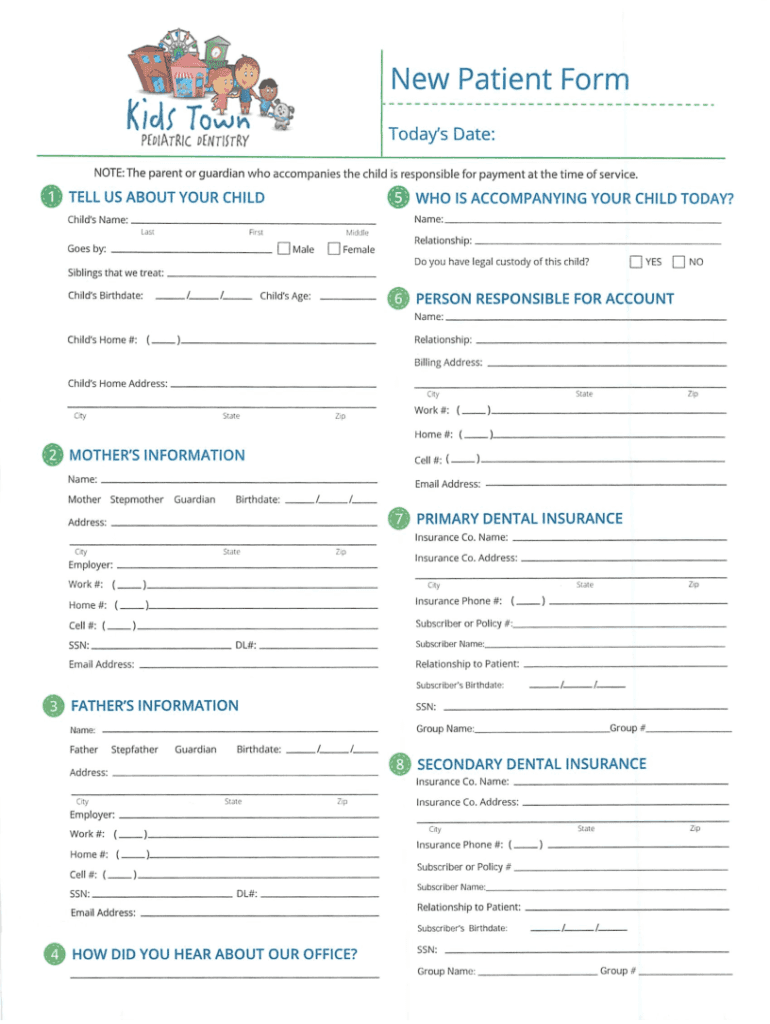
- Feedback Collection: Companies utilize forms to gather customer opinions on product experience, as seen in visitor feedback forms at places like Kids Town.
- Medical Information Update: Patients can update health records or book appointments through online healthcare portals.
- Tax Filing: Individuals can complete and submit forms such as the IRS W-9 online, simplifying the tax declaration process.
- Event Registrations: Event organizers use forms for attendee registration, capturing essential logistical information.
By transforming traditional processes into digital formats, online forms enable efficient and effective data handling across diverse fields and purposes.




