





Definition & Meaning
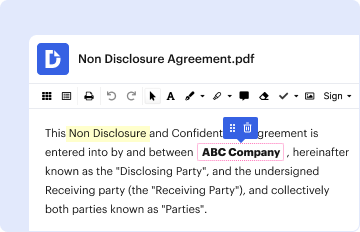
A "form online" refers to any official or standardized document that individuals or entities can complete and submit via the internet. This encompasses a wide range of documents used in various contexts, such as tax forms, legal agreements, application forms, and surveys. Online forms streamline processes by allowing users to fill out and submit documents electronically rather than relying on paper-based methods.
Online forms are increasingly utilized for their ease of accessibility, speed, and efficiency, removing the geographic and logistical barriers associated with traditional paper forms. They are designed to capture data through user interaction, making them versatile tools for personal, business, and governmental purposes.
The electronic nature of online forms allows for seamless integration with other digital systems and platforms. Information collected through these forms is often automatically stored in databases, facilitating further processing without the need for manual data entry, which reduces errors and saves time.
How to Use the Form Online
Using an online form involves several straightforward steps designed to be intuitive for the user. Whether completing a legal agreement or applying for a service, the process typically follows a similar pattern:
-
Access the Form: Begin by visiting the relevant website or platform providing the form. This may involve navigating through a portal or clicking a direct link received via email.
-
Fill Out the Form: Provide the necessary information as prompted by the form fields. This may include inserting text, selecting from dropdown options, or checking relevant boxes.
-
Review Your Entries: Before submission, carefully review all provided information to ensure it is accurate and complete. Errors or omissions can lead to processing delays or invalidation of the submission.
-
Submit the Form: Once satisfied with the entries, use the submit button to send the form. Some systems may provide a confirmation message or email to indicate successful submission.
-
Save Confirmation: It’s often possible to download or print a copy of the completed form to keep for personal records. If the platform provides a confirmation receipt or ID, save this information for future reference.
Steps to Complete the Form Online
Completing an online form efficiently requires attention to detail and adherence to specific guidelines:
-
Gather Information: Prior to starting, gather all required documents and information that the form asks for. This could include identification numbers, financial details, or employment history.
-
Account Creation: Some forms require an account on the host website for submission. If necessary, set up an account using a valid email and a secure password.
-
Follow Instructions: Each section of the form typically comes with instructions or examples. Read these carefully to understand what is being asked to avoid misunderstandings.
-
Input Data Accurately: Enter data into form fields carefully. Mistyped information can lead to errors in processing or incorrect outputs.
-
Verify Information: Double-check all fields, particularly those that require personal information like Social Security numbers or banking details, to avoid potential issues.
-
Use Additional Features: Many online forms come with additional features, such as help buttons or built-in error checks. Utilize these tools to ensure completion accuracy.
Important Terms Related to Form Online
Understanding specific terminology associated with online forms can help users navigate and complete them effectively. Below are key terms commonly encountered:
-
Form Fields: These are the input areas where users provide information. Typical fields include text boxes, radio buttons, and dropdown menus.
-
Captcha: A security feature used to verify that the respondent is human and not a bot, often involving simple tasks like selecting specific images.
-
Auto-fill: A feature that automatically populates form fields based on previously entered data to save time.
-
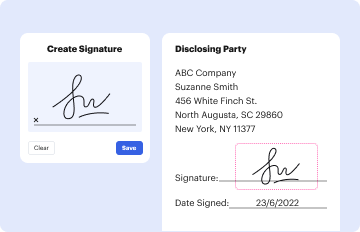
E-signature: A digital means of signing a document, ensuring the signer's identity and intent to consent or approve the content of the form.
-
Form Validation: A process where the form checks for errors or incomplete fields before allowing submission.
Legal Use of the Form Online
Online forms serve as legally recognized documents in many jurisdictions, provided they fulfill certain criteria:
-
Consent: The user must willingly and knowingly complete and submit the form.
-
E-signature Laws: In the U.S., the ESIGN Act gives legal recognition to electronic signatures, ensuring that forms signed online are enforceable and valid.
-
Data Protection: Forms must comply with relevant data protection regulations, such as HIPAA for medical forms or GDPR for forms collecting information from EU citizens.
-
Auditing Ability: A record of submission, including timestamps and changes, may be necessary for legal compliance and verification.
Users should always confirm that the online form platform complies with applicable laws to ensure any submission is legitimate and binding.
Key Elements of the Form Online
An online form typically includes several critical components that work together to capture information effectively:
-
Responsive Design: Ensures forms are accessible and functional on various devices, including desktops, tablets, and smartphones.
-
Instructions and Help Text: Provides guidance on how to properly complete the form fields.
-
Conditional Logic: Dynamically adjusts the form based on user responses to simplify the process and reduce unnecessary steps.
-
Progress Indicator: Shows users how much of the form they have completed and how much remains, helping manage expectations and effort.
-
Security Features: Includes encryption and other measures to protect user data during transit and storage.
Required Documents
Completing an online form often requires additional documentation or information, which varies depending on the type of form:
-
Personal Identification: Common for authentication, this may include Social Security numbers, driver’s license numbers, or passport details.
-
Financial Information: Forms related to taxes, loans, or employment might require financial records, such as pay stubs or bank statements.
-
Supporting Documents: Medical forms may need patient history or prescription details; insurance claims might require accident reports or repair estimates.
Ensuring that all necessary documents are readily available before starting the form helps streamline the experience and prevent incomplete submissions.
Software Compatibility
Online forms need to be compatible with various software and platforms to maximize usability and integration:
-
Browser Support: Modern forms should work seamlessly across common web browsers like Chrome, Firefox, Safari, and Edge.
-
OS Compatibility: Ensure the form is accessible on major operating systems, such as Windows, macOS, iOS, and Android.
-
Integration with Software: Forms should work with applications like Microsoft Office, TurboTax, or QuickBooks, especially if data export or import is necessary.
-
API Access: For organizations that use custom software, having an API can enable direct interactions with the online form system, facilitating automation and data exchange.
For optimal experience, users should ensure that their systems meet any specified technological requirements before starting the form submission process.