
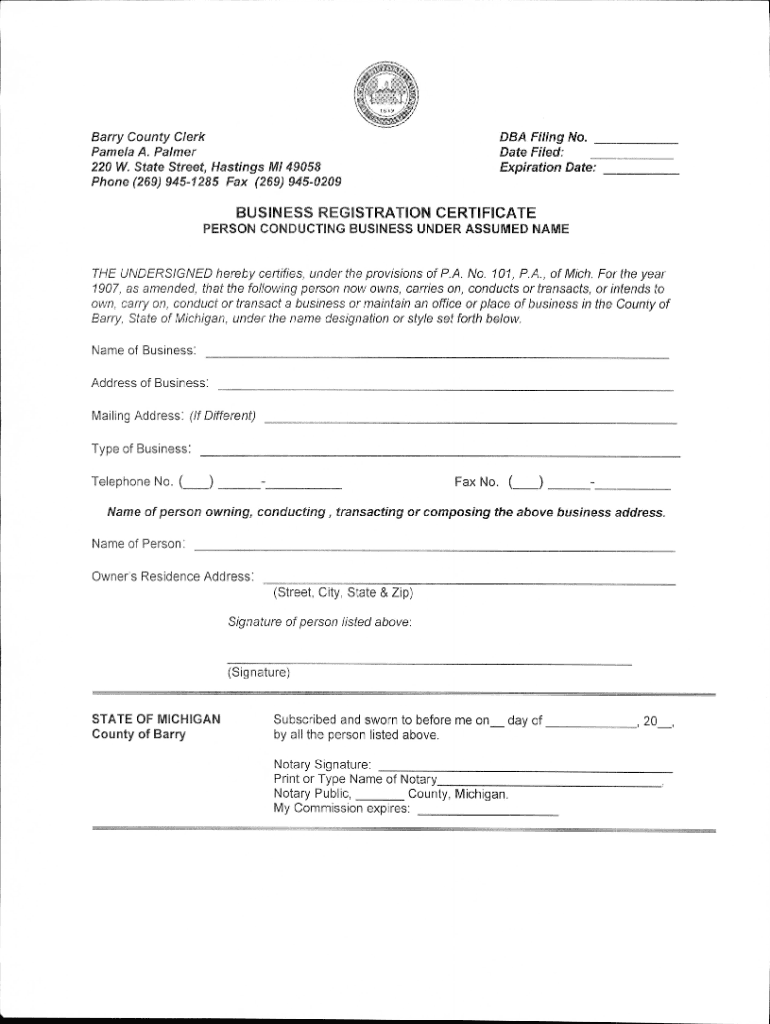







Definition & Meaning
The term "form online" refers to digital versions of documents used for various official purposes, such as tax filings, business registrations, or agreements. These forms are accessible over the internet, allowing users to fill, submit, and manage them electronically. Such forms streamline tasks that traditionally required paper-based procedures, promoting efficiency and accuracy in document handling.
Digitally accessible forms can range from government-issued documents to internal business paperwork. By using these forms, individuals and organizations can save time, reduce errors associated with manual data entry, and enhance security with digital encryption methods.
How to Use the Form Online
Utilizing an online form involves several straightforward steps that are typically universal across different types of forms. The following guide serves as a general framework:
-
Access the Form: Navigate to the website where the form is hosted. This could be a governmental site for official forms or a third-party platform like DocHub for customizable documents.
-
Understand the Requirements: Before filling out the form, read the accompanying instructions to comprehend what information and documentation are required.
-
Fill in the Required Fields: Use the on-screen form fields to enter your information. Online platforms often provide guidance and tooltips to assist with accurate data entry.
-
Review and Edit: After completing the form, review the entries for accuracy. Most online platforms will display errors or alerts if required fields are left blank.
-
Submit the Form: Follow the submission instructions, which may involve clicking a "submit" button or sending it via email. Some forms may require additional authentication steps.
-
Save a Copy: Make sure to save a copy of the completed form for your records, either by downloading it or receiving a confirmation email with attachments.
Steps to Complete the Form Online
Completing a form online usually involves a systematic approach to ensure all necessary information is accurately provided. Here's a detailed look at the steps:
-
Gather Information: Before you begin, collect all necessary data and documents. This might include identification cards, financial records, or business information.
-
Create an Account (if necessary): Many platforms require users to create an account to access and manage their forms, enhancing security and enabling progress tracking.
-
Start with a Template: Some tools provide templates for specific forms like W-9 or DS-11, which users can fill out electronically.
-
Fill Sections in Sequence: Work sequentially through the form sections, ensuring that each part is completed to avoid missing critical information.
-
Validate Entries: Use the platform's validation tools, if available, to confirm that all data entered is correct and complete.
-
Provide Electronic Signature: If the form requires a signature, utilize the platform's e-signature tools to add your legally binding digital signature.
-
Double-Check and Submit: Verify all information before final submission, correcting any mistakes or omissions identified during a final review.
Why Should You Form Online
Choosing to fill out forms online offers several advantages over traditional methods:
-
Efficiency and Speed: Online forms can be completed much faster, often including auto-fill options for repetitive fields and easy access to reference documents stored on your computer.
-
Accessibility and Convenience: Conduct form-related tasks from any location with internet access, eliminating the need to visit physical offices.
-
Error Reduction: Online tools often include built-in error-checking features that automatically highlight mistakes or omissions, helping ensure more accurate submissions.
-
Environmentally Friendly: Digital forms reduce the need for paper, contributing to environmental conservation efforts.
-
Enhanced Security: Many platforms implement advanced encryption technologies, ensuring that sensitive information is securely handled during submission and storage.
Key Elements of the Form Online
Many digital forms share common characteristics essential for ensuring their functionality and user-friendliness:
-
Form Fields: Dynamic fields for inputting data such as text boxes, dropdown selections, and checkboxes.
-
Instructional Guides: Contextual help to assist users in comprehensively filling out fields without confusion.
-
Validation Mechanisms: Built-in checks that ensure data accuracy by highlighting incomplete or incorrectly filled areas.
-
Submission Interface: User-friendly interfaces for easy form submission, often integrated with email services or official submission portals.
-
Digital Signature Capability: Options for adding legally recognized e-signatures to validate and authenticate the document.
-
Save and Resume Feature: Ability for users to save progress and continue later, a crucial feature for lengthy or detailed forms.
Legal Use of the Form Online
Online forms offer legal binding, particularly in agreements and applications that once required physical signatures. Legal recognition hinges upon compliance with jurisdictions such as the United States' ESIGN Act, which mandates:
-
Consent and Intent: Users must give explicit consent to use electronic formats and demonstrate intent to sign.
-
Verification Process: Electronic signatures must be verifiable, often achieved through digital certificates or password-protected access.
-
Auditability: Platforms should provide an audit trail detailing when a document was signed and by whom, ensuring transparency and accountability.
Many institutional and business forms are now legally compliant when submitted electronically, fostering broader acceptance and reliance on digital documentation.
State-Specific Rules for the Form Online
Document-related regulations may vary across states, necessitating awareness of local laws when using online forms:
-
Recognition of Digital Signatures: Some states may have specific interpretations of electronic signatures, potentially affecting the form's admissibility.
-
Compliance with State Regulations: Certain forms, such as business registration or tax-related documents, may require adherence to state-specific guidelines and submission procedures.
-
Special Requirements: States like California and New York may impose unique stipulations for electronic documentation, including privacy protections or data retention protocols.
Staying informed about these variations ensures compliance and avoids potential legal repercussions when using and submitting online forms.
Form Submission Methods (Online / Mail / In-Person)
Various forms offer multiple submission options to cater to different preferences and circumstances:
-
Online Submission: Preferred for its speed and convenience, typically involving direct uploads via secure government or business platforms.
-
Mail Submission: Available for individuals who prefer traditional methods or when digital submission is not an option. This involves mailing paper forms to designated physical addresses.
-
In-Person Submission: Involves submitting completed forms at specific locations, often necessary for forms requiring identity verification or for entities conducting transactions at a local level.
Each mode of submission comes with unique benefits and limitations, providing flexibility based on users’ preferences and the form type.




