





Definition & Meaning
The term "form online" refers to digital documents that can be completed, submitted, and often signed on the internet. This process eliminates the need for physical paperwork, thus streamlining administrative tasks for users in various contexts. Online forms can range from simple contact forms to complex legal or financial documents. Utilizing platforms like DocHub, users can create, edit, and manage these forms easily, incorporating features such as fillable fields and electronic signatures to enhance usability.
How to Use the Form Online
To effectively use a form online, follow these steps:
-
Access the Form: Start by locating the required form on DocHub or another platform by searching for the specific document or selecting it from a provided list.
-
Review Instructions: Always read any provided instructions to ensure understanding of what information needs to be submitted and how to fill out the form accurately.
-
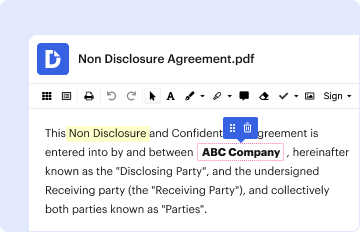
Fill Out the Form: Enter the necessary information in fillable fields, including text boxes, dropdown menus, and checkboxes. Utilize online tools for editing or annotating if additional information needs to be provided.
-
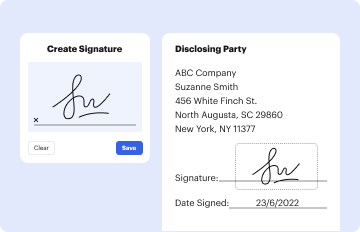
Add Digital Signatures: Where applicable, use the platform's signature feature to sign the document electronically, ensuring the authenticity and compliance of your signed forms.
-
Submit the Form: Once completed, submit the form directly through the platform, either via email or a cloud storage service like Google Drive.
Steps to Complete the Form Online
Completing an online form can often be done in a few straightforward steps:
-
Preparation: Gather any necessary documents or information beforehand to easily fill out the form.
-
Create or Access the Form: Obtain the form from the relevant platform or organization. For DocHub users, this might include importing a file or creating a new form from scratch.
-
Input Information: Use the platform's form-filling tools to enter required data. Mandatory fields are often highlighted to guide completion.
-
Review the Form: Check all entered information for accuracy and completeness. Make use of any available review tools to ensure there are no errors or omissions.
-
Sign the Form: Apply your electronic signature where required. For multi-signer documents, designate signing order in the platform settings.
-
Save & Submit: Once reviewed and signed, save the form. Submit it according to the instructions provided, ensuring you follow any platform-specific submission steps.
Key Elements of the Form Online
When dealing with forms online, several key elements ensure their effectiveness:
- Fillable Fields: Essential for data entry, fillable fields include text boxes, dropdowns, and checkboxes.
- Signature Options: Secure digital signature capabilities ensure document authenticity.
- Real-Time Collaboration: Allows multiple users to work on the form simultaneously, facilitating teamwork.
- Cloud Integration: Supports easy access and storage through platforms like Google Drive or Dropbox.
- Security Features: Protects data with encryption and user authentication measures, safeguarding sensitive information during the form submission process.
Legal Use of the Form Online
Online forms serve various legal functions, from contracts and agreements to applications and declarations. Platforms like DocHub adhere to U.S. laws, such as the ESIGN Act, which grants electronically signed forms the same legal standing as their paper counterparts. Users can securely complete, sign, and submit legally binding documents, confident in their compliance with applicable regulations.
Examples of Using the Form Online
Online forms are used in numerous scenarios:
- Job Applications: Candidates submit resumes and cover letters using online forms.
- Rental Agreements: Landlords and tenants finalize rental terms digitally.
- Tax Filings: Individuals and businesses submit tax information to the IRS.
- Event Registrations: Participants register and pay for events without leaving their devices.
- Service Contracts: Clients and service providers agree to terms before work begins.
These examples highlight the versatility and efficiency of using forms online for day-to-day and specialized tasks.
Required Documents
When completing an online form, users may need to provide supplemental documents. Typical requirements include:
- Identification: Such as a driver's license or passport.
- Proof of Address: Utility bills or bank statements matching the address given on the form.
- Supporting Documents: Varies depending on the form; may include financial statements, tax documents, or legal permits.
Ensuring these documents are accessible when completing the form diminishes processing delays and facilitates smooth submission.
Form Submission Methods
Online forms can typically be submitted via various methods:
- Email: Directly send completed forms to specific email addresses.
- Cloud Platforms: Export and save forms to Google Drive, Dropbox, or OneDrive.
- Internal Submission: Direct submission through the associated platform, often as part of a streamlined workflow.
These options provide flexibility, allowing users to choose the submission method best suited to their needs, ensuring efficient processing and record-keeping.