




Understanding the Concept of Form Online
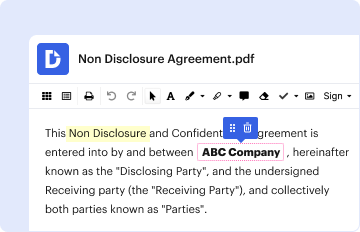
In today's digital age, "form online" refers to electronic forms available on the internet, enabling users to fill out and submit information through a web interface. These forms replicate the structure of traditional paper forms but enhance interactivity and efficiency by leveraging digital technology. Online forms can be used for a variety of purposes, such as applications, surveys, and agreements, making them an indispensable tool in both personal and professional settings.
Steps to Complete the Form Online
Completing an online form involves several straightforward steps accessible through any internet-enabled device.
- Access the Form: Locate the form on the relevant website or platform, often through a direct link or by navigating through the site's menu.
- Fill Out Required Fields: Input necessary information in the designated fields, such as names, addresses, or specific details pertinent to the task.
- Attach Necessary Documents: If required, upload attachments like identification files or additional supporting documents.
- Review and Edit: Carefully check for accuracy, using the platform's tools to modify any incorrect entries.
- Submit the Form: Use the submit button to finalize the process. Confirmation is usually provided via email or direct message on the platform.
Advantages of Using Forms Online
Utilizing online forms presents numerous benefits over traditional methods.
- Efficiency: Streamlines processes by reducing paper usage and storage needs, allowing for faster information collection and processing.
- Accessibility: Offers access from anywhere with internet capability, removing geographic barriers and time constraints.
- Versatility: Supports various multimedia elements like images and signatures, enhancing data richness.
- Security: Incorporates encryption and authentication measures, ensuring data safety during transfer and storage.
Who Typically Uses the Form Online
Online forms are widely used by various groups due to their flexibility and ease of use.
- Individuals: For personal tasks like job applications or account registrations.
- Businesses: To gather customer information, conduct surveys, or manage employee records.
- Nonprofits and Educators: To collect donations, register participants for events, or gather feedback on educational programs.

Key Elements of an Online Form
An online form typically includes several fundamental components that ensure user-friendly interaction and compliance with data gathering needs.
- Form Fields: Specify where users input data, which could include text boxes, checkboxes, and dropdown menus.
- Instructions and Labels: Provide clear guidance on how to fill out each section properly.
- Data Validation: Ensures data is entered correctly with checks such as format or range limitations.
- Submission Button: Triggers the sending of collected data to the designated recipient or database.
Legal Use of Form Online
Using online forms comes with legal considerations, ensuring compliance with various regulations.
- Data Protection: Must adhere to laws like the General Data Protection Regulation (GDPR) or the California Consumer Privacy Act (CCPA), which govern personal data usage and privacy rights.
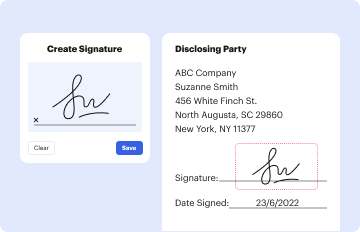
- Electronic Signatures: When applicable, must comply with the ESIGN Act in the U.S., confirming that digital signatures are legally binding.
- Accessibility Standards: Should meet standards like the Web Content Accessibility Guidelines (WCAG) to accommodate individuals with disabilities.
Variants and Alternatives to Form Online
Electronic forms come in various configurations, allowing flexibility in how information is gathered.
- Interactive PDFs: Allow users to fill out forms offline, which can then be uploaded or emailed.
- Mobile Applications: Provide an app-based interface for completing forms, particularly useful for surveys or data collection in the field.
- Automated Chat Interfaces: Use conversational AI to guide users through form completion, often employed in customer service scenarios.
Required Documents for Online Forms
Certain online forms necessitate supplementary documentation to support user-submitted information.
- Identification: Copies of government-issued IDs or passports may be required for verification purposes.
- Financial Records: Bank statements or tax documents often accompany loan or mortgage applications.
- Proof of Address: Utility bills or lease agreements are sometimes required to confirm residency status.
Software Compatibility for Form Online
Online forms are designed to integrate with various software tools to enhance functionality and ease user interaction.
- Document Management Systems: Such as DocHub, allow for seamless import and export of forms across platforms like Google Drive or Dropbox.
- Accounting Software: Like QuickBooks, might use forms for collecting financial data entries.
- Customer Relationship Management (CRM) Systems: Can include online forms for customer data collection and analysis.
Ensuring Compliance and Avoiding Penalties
Non-compliance with form-related regulations can lead to penalties, making it vital to adhere to prescribed standards.
- Regular Audits: Conduct routine checks to verify that forms comply with evolving legal requirements.
- Training Staff: Ensure employees handling electronic forms are aware of compliance responsibilities.
- Software Updates: Regularly update platforms to integrate new security protocols and legal requirements.