





Definition & Meaning
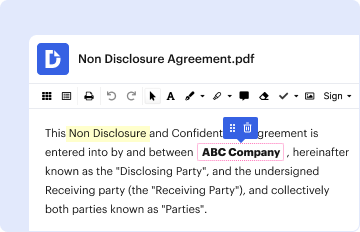
The concept of "form online" refers to the digital availability and submission of various forms via the internet. This method replaces traditional paper-based processes, allowing users to fill out, submit, and store forms electronically. Online forms range from government tax documents to employment applications and educational assessments. They are designed to be user-friendly, offering features like automated calculations and real-time error checking to improve accuracy and efficiency. These forms are accessible 24/7 from any internet-enabled device, providing convenience and flexibility for users.
Steps to Complete the Form Online
-
Access the Form: Navigate to the relevant website or platform providing the online form. This could be a government portal, a business’s website, or a document management service like DocHub.
-
Fill Out the Form: Utilize the online interface to enter the required information. Many forms offer features like autofill, dropdown menus, and date pickers to streamline data entry.
-
Attach Required Documents: If necessary, upload any supporting documents as specified. This might include identification, proof of income, or other evidence required for processing.
-
Review for Accuracy: Before submission, double-check all entries for completeness and correctness to avoid any processing delays due to errors.
-
Submit the Form: Once satisfied, submit the form through the designated online process. Many platforms automatically confirm receipt or provide a tracking number for your records.
-
Receive Confirmation: Look out for a confirmation email or notification to ensure the form has been successfully submitted.
Key Elements of the Form Online
- User-Friendly Interface: These forms are designed to be intuitive, often featuring guided processes to assist users in completing them efficiently.
- Built-in Validations: Checks are often embedded within the form to highlight errors or omissions, reducing the likelihood of submission errors.
- Interactivity: Interactive features, such as conditional sections that change based on user input, help streamline the process by showing only relevant fields.
- Security Measures: High-grade encryption and secure connections ensure that personal data entered into online forms remain confidential and protected from unauthorized access.
Required Documents
Completing an online form typically requires several accompanying documents to validate the information provided:
- Identification: A government-issued ID may be needed for verification purposes.
- Proof of Residence: Utilities bills or lease agreements are often necessary to establish residency.
- Income Documentation: Pay stubs, W-2s, or tax returns may be required for financial-related forms.
- Supporting Evidence: Additional documentation such as medical records or letters of recommendation might be necessary depending on the form’s purpose.
Form Submission Methods (Online / Mail / In-Person)
- Online Submission: The most convenient method, allowing users to fill out and submit forms digitally from any location.
- Mail: For those who prefer traditional methods or lack internet access, forms can be printed, filled out by hand, and mailed to the appropriate address.
- In-Person: Some organizations or government entities may accept or require forms to be submitted in person, which offers the opportunity for immediate feedback or clarification.
Legal Use of the Form Online
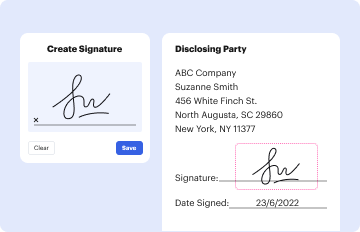
Online forms are designed to meet legal standards applicable to their domain, such as the ESIGN Act, which gives legal recognition to electronic signatures. This ensures that forms submitted online hold the same validity as those completed on paper. Ensuring compliance with these regulations is crucial for the forms' acceptance by governmental and legal entities. For instance, employment-related forms must adhere to labor law requirements, while tax forms must comply with IRS standards.
Software Compatibility
Forms designed for online completion are often compatible with various software solutions to enhance user accessibility:
- Document Editing Software: Tools like DocHub allow users to edit, annotate, and fill out forms directly within the software.
- Accounting and Tax Software: Platforms like TurboTax and QuickBooks can manage financial documentation and integrate with online tax forms.
- Cloud Storage Services: Compatibility with Google Drive, Dropbox, or OneDrive allows for easy import and export of form-related documents.
Business Types that Benefit Most from Form Online
- Small Businesses: Efficiency in handling registration, licensing, tax forms, and employee documentation.
- Start-ups: Ability to quickly adapt and integrate various forms without the need for extensive infrastructure.
- Remote-Based Companies: Facilitate employee onboarding, payroll information, and reporting without physical interaction.
- Service Industry: Simplifies contracts, service agreements, and waiver forms for clients and customers.
Who Typically Uses the Form Online
The audience for online forms is broad and includes:
- Individuals: For personal use in applications such as job hunts, educational enrollments, or government services.
- Businesses: To facilitate operations such as tax filing, employee documentation, and client agreements.
- Educational Institutions: For student admissions, financial aid applications, and course registrations.
- Government Agencies: Utilizing forms for everything from census data collection to voter registration.

Software Compatibility (TurboTax, QuickBooks, etc.)
Online forms can often be integrated into popular software solutions, facilitating ease of use:
- TurboTax: Users can import tax information directly from online forms, simplifying the filing process.
- QuickBooks: Enables businesses to synchronize financial data with accounting forms, ensuring accurate and up-to-date records.
- DocHub: Allows real-time editing and signing of online forms, making document management more efficient.
IRS Guidelines
When dealing with forms related to taxation, adhering to IRS guidelines is critical:
- Accuracy: Ensure all information matches what's on file with the IRS to avoid audits or penalties.
- Timeliness: Submit all forms within IRS deadlines to prevent legal repercussions or fines.
- Updates: Stay informed of any annually updated requirements or new forms introduced by the IRS.
By understanding and following these guidelines, users can confidently navigate the process of filling out and submitting online forms in compliance with applicable laws and standards.