Chapter 64E-16, FAC - Florida Department of Health 2025

Get Form
64e16 Preview on Page 1

Here's how it works

01. Edit your 64e16 online
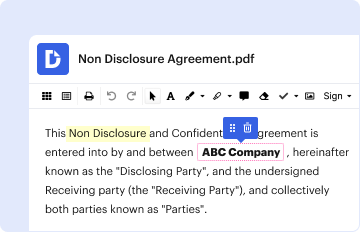
Type text, add images, blackout confidential details, add comments, highlights and more.
02. Sign it in a few clicks
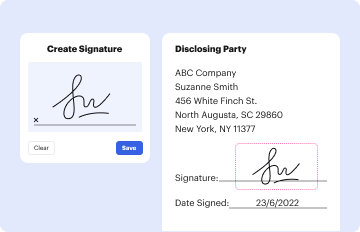
Draw your signature, type it, upload its image, or use your mobile device as a signature pad.
03. Share your form with others
Send chapter 64e 16 waste via email, link, or fax. You can also download it, export it or print it out.

How to use or fill out Chapter 64E-16, FAC - Florida Department of Health with Our Platform

Form edit decoration
9.5
Ease of Setup
DocHub User Ratings on G2
9.0
Ease of Use
DocHub User Ratings on G2
  1. Click ‘Get Form’ to open Chapter 64E-16 in the editor.
  2. Begin by reviewing the General section, which outlines minimum sanitary practices for biomedical waste management. Familiarize yourself with key definitions such as 'biomedical waste' and 'generator requirements'.
  3. Proceed to fill out the Facility Policies and Procedures section. Ensure you provide details on how your facility manages biomedical waste, including training procedures for personnel.
  4. In the Storage and Containment section, specify how biomedical waste is packaged and labeled. Use our platform's tools to add necessary labels that comply with regulations.
  5. Complete the Treatment section by detailing the methods used for treating biomedical waste. Ensure all treatment processes are documented accurately.
  6. Finally, review all sections for completeness and accuracy before submitting your form through our platform.

Start using our platform today to streamline your document editing and ensure compliance with Chapter 64E-16!

be ready to get more

Complete this form in 5 minutes or less

Get form

Got questions?

We have answers to the most popular questions from our customers. If you can't find an answer to your question, please contact us.
Contact us
Florida regulations require medical waste to be segregated from other waste types at the source. Medical waste must be placed in containers that are sturdy, leak-proof, and puncture-resistant. These containers should display the international biohazard symbol and be labeled as Biohazardous Waste.
Biohazard boxes Use: Biohazard solids cell culture. Maximum weight (small): 30 lbs or 14 kg. Maximum weight (large): 30 lbs or 14 kg. Supplied with (small): Bag and labels. Supplied with (large): Bag and labels.
Disposal Procedures Certain biological waste can be disposed of as non-biohazardous/ non-infectious waste, if approved in writing by Biological Safety. If a non-validated decontamination autoclave is available, autoclave the waste in an autoclave bag, affix autoclave indicator tape and place in an autoclave safe tray.
To manage biohazard waste effectively, OSHA mandates the use of specific containers designed for safe storage and transportation. These containers must be leak-proof, puncture-resistant, labeled with appropriate warning signs, and tightly sealed to prevent accidental exposure.
is a bodily fluid and is generated in large quantities in healthcare facilities. However, is not considered medical waste unless it is contaminated with other infectious materials, such as blood or pathogens. In most cases, is considered general waste and can be disposed of in regular waste streams.

People also ask

Large Medical Waste Box Capable of holding up to 45 lbs.
The bloodborne pathogens standard requires that the biohazard label be affixed to containers of regulated waste and other containers used to store, transport, or ship blood or other potentially infectious materials; a red container may be substituted for the biohazard label.
The Biomedical Waste Program works to protect health care workers, environmental health staff, biomedical waste transporters, and the general public from risks associated with potentially infectious biomedical waste.

16 f a c