
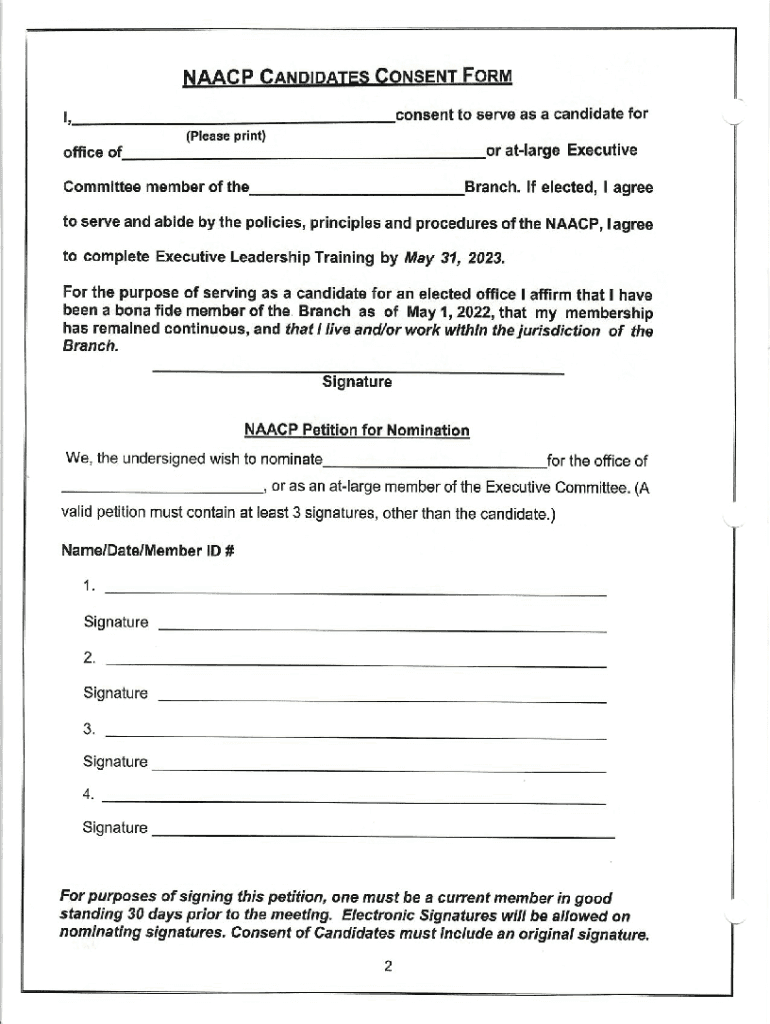







What Is a Form Online?
A form online is a digital version of a standard paper form, allowing users to complete and submit information via the internet. These forms provide a user-friendly interface where individuals can input data, utilizing various types of fields such as text boxes, dropdown menus, checkboxes, and more. In the context of DocHub, filling out a form online simplifies tasks like submitting applications, consent forms, and other necessary documents by eliminating the need for physical paperwork. Users can access these forms from any device that has an internet connection, making the process efficient and accessible.
Steps to Complete a Form Online
- Access the Form: Users can open the form by visiting the specified URL or through integration with services like Google Drive or Dropbox.
- Input Information: Enter the required data into the appropriate fields. Fillable forms guide users through this process with field-specific instructions or prompts.
- Validate Entries: Some fields might require validation. Ensure that all necessary information is correctly entered before proceeding.
- Review and Edit: Before submission, review the form for accuracy. Use features like 'Highlight' or 'Comment' in DocHub for clarity.
- Submit the Form: Once completed, submit the form online by clicking the designated button, like 'Submit' or 'Send'.
- Confirmation: After submission, a confirmation message typically appears, indicating successful receipt. Some systems might offer a confirmation email as well.
Creating and Managing Forms Online
DocHub supports users in creating and managing forms online, offering tools for developing fillable, interactive templates. You can convert existing documents or start from scratch by using DocHub’s interface to insert form fields like checkboxes and signature boxes. This capability is particularly useful for recurring workflows, such as collecting consent or processing applications.
- Form Fields Manager: Insert and manage a diverse array of fillable fields to tailor forms to specific needs.
- Data Collection: Streamline the collection process by directing recipients to complete required fields, ensuring comprehensive data capture without errors.
- Customization: Personalize forms by assigning specific fields to designated users, enhancing clarity and reducing instances of incomplete submissions.
Benefits of Using Forms Online
Using forms online facilitates a smoother, more efficient workflow for both individuals and businesses:
- Accessibility: Forms are accessible from any device, anywhere, preventing delays caused by geographical or technical barriers.
- Time-Saving: Eliminates the need for physical paperwork, reducing the steps involved in sending and receiving documents.
- Environmentally Friendly: Reduces paper usage, contributing to sustainability efforts.
- Security: Digital forms in platforms like DocHub incorporate robust security measures, such as SSL encryption, ensuring data is protected during transfer.
Typical Users of Forms Online
Forms online are utilized by a broad spectrum of users, from individuals to large organizations. Common users include:
- Professionals engaged in administrative roles who require efficient data collection.
- Businesses that need to quickly disseminate and retrieve information from employees or clients.
- Educational Institutes looking to automate admissions and similar processes.
- Non-Profit Organizations that handle large volumes of application forms or membership documents.
Key Elements of a Form Online
Creating effective online forms involves integrating various elements to maximize functionality:
- User-Friendly Interface: A simple yet comprehensive layout that allows users to intuitively navigate and input data.
- Interactive Fields: Elements like dropdown menus and checkboxes to enhance data collection accuracy.
- Security Features: Encryption and password protection to safeguard sensitive information.
- Real-Time Validation: Features that ensure immediate feedback on data entries, minimizing submission errors.
Legal Use and Compliance of Forms Online
Online forms must comply with legal frameworks to ensure that electronic transactions and signatures are legitimate and binding. This includes adhering to standards established by acts such as the ESIGN Act in the U.S., which DocHub complies with, ensuring that signatures collected electronically are valid and enforceable in legal settings.
- Authentication Protocols: Implementing measures like OAuth 2.0 for secure user verification.
- Audit Trails: Maintaining records of when forms are accessed and edited, offering transparency and accountability.
Examples and Scenarios of Using Forms Online
Real-world applications of forms online are diverse and cater to numerous sectors. Here are a few scenarios:
- Medical Forms: Patients can fill out medical history and consent forms before appointments.
- Job Applications: Companies can streamline the hiring process by using customizable digital forms to gather candidate data.
- Event Registrations: Organizers utilize online forms to manage attendee lists and preferences efficiently.
- Surveys and Feedback: Businesses and researchers conduct online surveys, collecting feedback in structured, analyzable formats.
Each scenario highlights the versatility of using forms online, showcasing how these tools can be adapted to meet specific needs across various sectors and industries.




