
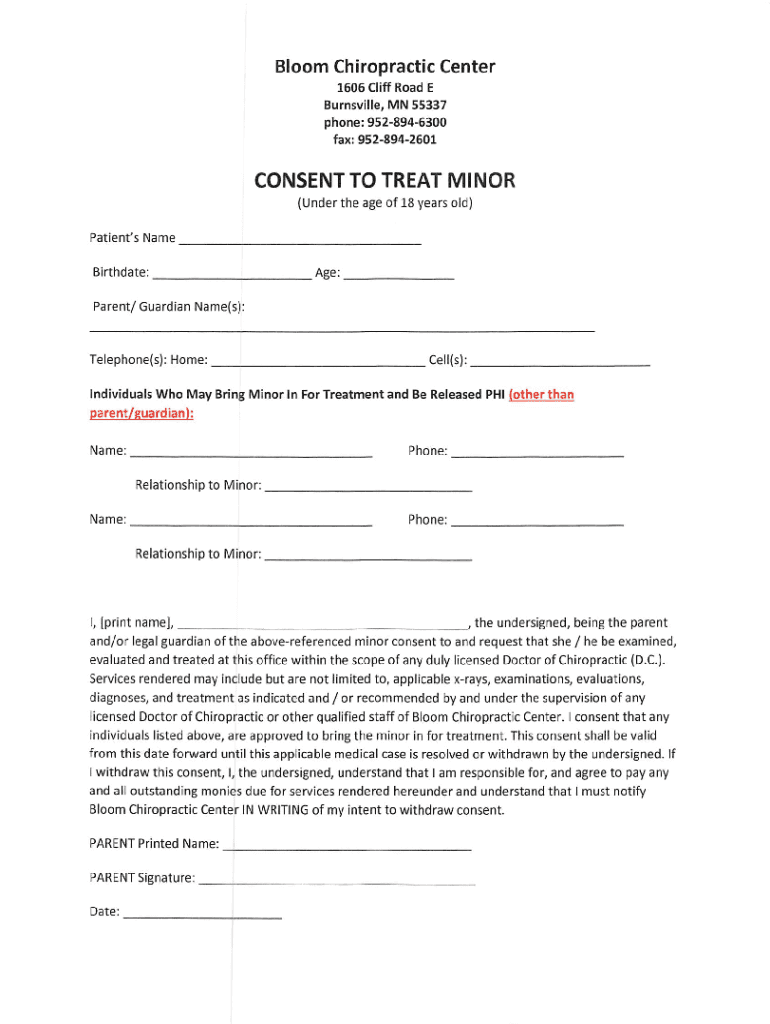







Definition & Meaning
A "form online" encompasses various documents that users can fill out, submit, or manage directly on a web platform without the need for paper copies. These forms can range from legal documents and tax filings to registration applications and surveys. By transitioning forms to an online format, users benefit from increased efficiency and accessibility, giving them the flexibility to fill out and submit documents from any location with internet access.
Key Benefits of Online Forms
- Accessibility: Fill out forms anytime, anywhere, with internet access.
- Efficiency: Streamlined data processing reduces the need for physical documentation.
- Customizability: Easily adjustable fields to fit specific requirements.
Common Uses
- Applications for services, permits, or licenses.
- Surveys and data collection exercises.
- Digital agreements and contracts.
How to Use the Form Online
Using an online form often involves several intuitive steps, allowing users to complete necessary documentation with ease. Most platforms guide users through the process to ensure accurate and efficient data entry.
General Process
- Access the Form: Visit the relevant website where the form is hosted.
- Fill in Personal Information: Start with inputting basic personal details as required.
- Complete Specific Fields: Fill out any specific questions or sections related to the form’s purpose.
- Review and Edit: Go through the entered data to check for accuracy and completeness.
- Submit: Send in the completed form through the platform’s submission button.
Practical Tip
- Always use the platform’s save feature to avoid data loss in case of connectivity issues.
How to Obtain the Form Online
Finding the right online form requires a few straightforward steps, leveraging the platform features designed to guide you to the appropriate form type quickly.
Finding the Right Form
- Use Search Functions: Many platforms have search bars or filters.
- Browse Categories: Look through categorized sections for the type of form you need.
- Download Options: Some platforms allow you to download a copy for offline completion.
Example Scenario
- A small business owner searching for electronic signature service agreements can navigate to the business services section to locate relevant documents.
Steps to Complete the Form Online
Completing an online form efficiently requires following precise steps to ensure all necessary data is accurately captured and submitted.
Detailed Steps
- Select the Appropriate Form Version: Different needs may have specific form versions tailored to meet requirements.
- Create an Account or Log In: Secure platforms often require user accounts for data security and form tracking.
- Input Mandatory Fields: Ensure all required fields marked with asterisks are filled.
- Utilize Form Tools: Use available features such as dropdowns, checkboxes, and auto-fill tools for convenience.
- Add Supporting Documents: Attach any required supplementary files or scans as indicated.
- Sign Electronically: Apply e-signatures where necessary to authenticate the form's validity.
- Finalize & Submit: Confirm submission with a receipt or confirmation from the platform.
Potential Challenges
- Technical Issues: Browser compatibility or internet disruptions may hinder form completion.
Why Should You Form Online
There are numerous advantages to using online forms as opposed to traditional paper forms, especially in today’s digital age, where speed and convenience are paramount.
Major Advantages
- Cost-Effective: Reduces printing and mailing expenses.
- Time-Saving: Cuts down the time required for form processing and physical handling.
- Environmentally Friendly: Minimizes paper use and helps with sustainability efforts.
Real-World Application
- In educational settings, schools use online forms for student admissions and course registrations, simplifying administrative burdens.
Who Typically Uses the Form Online
Various individuals and organizations opt to use online forms due to their versatile applications and streamlined processes.


Common Users
- Businesses: For employee onboarding and client agreements.
- Government Agencies: For public records, applications, and registrations.
- Nonprofits: To collect donor information and manage volunteer sign-ups.

Sector-Specific Use
- Corporate environments use online forms for internal process optimization, like HR documentation and compliance tracking.
Important Terms Related to Form Online
Understanding terminology associated with online forms can aid users in navigating and completing them effectively.
Key Terms Explained
- E-Signature: An electronic method used to sign documents, ensuring legality and authenticity.
- Encryption: Security features protecting personal data during form submission and storage.
- Form Field: Specific areas within a form designated for particular data entry, such as text boxes or dropdowns.
Critical Considerations
- Ensure familiarity with form-specific terms to accurately complete submissions without errors or misunderstandings.
Legal Use of the Form Online
Compliance with legal standards is essential when using online forms, especially those that collect sensitive information or require legal consent.
Compliance Factors
- Data Protection Laws: Adhere to privacy laws such as GDPR or CCPA when handling personal information.
- Legally Binding Signatures: Utilize platforms that ensure electronic signatures are recognized under the ESIGN Act.
Cautionary Example
- Using unauthorized platforms can risk data breaches and non-compliance with legal standards, potentially resulting in penalties or breaches of confidentiality.




