



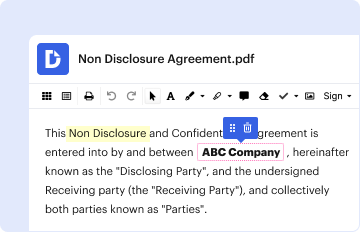
01. Edit your mn reciprocity online
Type text, add images, blackout confidential details, add comments, highlights and more.

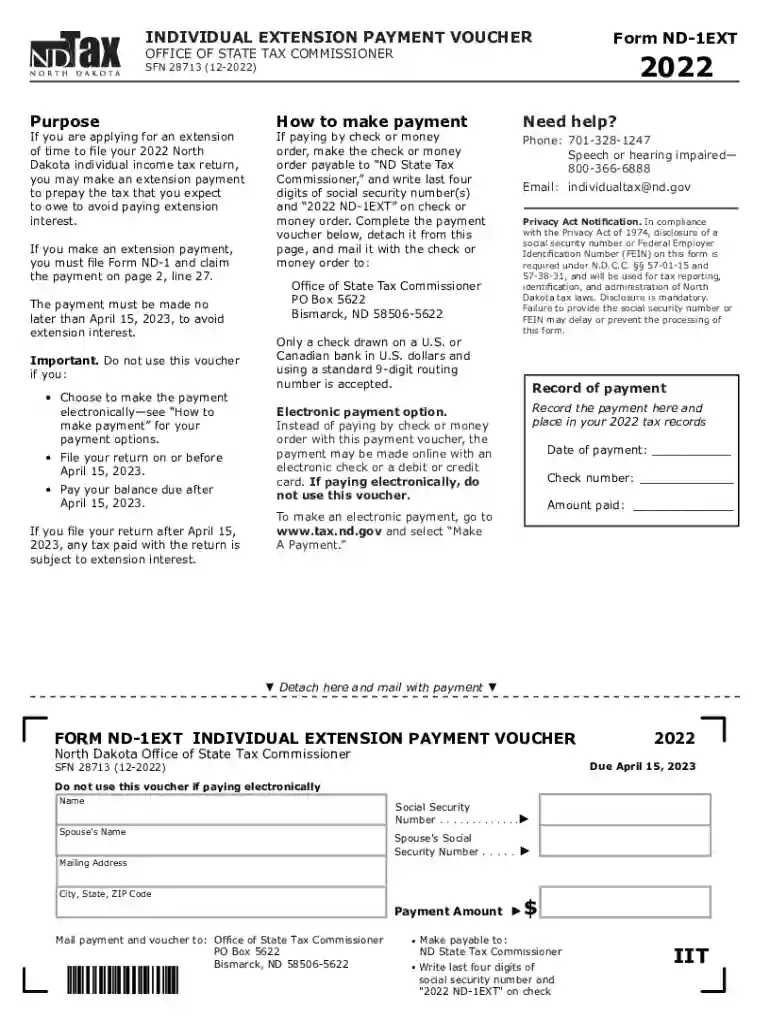
Type text, add images, blackout confidential details, add comments, highlights and more.
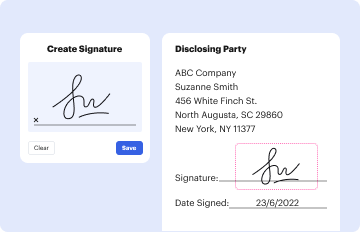
Draw your signature, type it, upload its image, or use your mobile device as a signature pad.

Send mn reciprocity form via email, link, or fax. You can also download it, export it or print it out.
Reciprocity agreements help avoid double taxation for individuals who live in one state but work in another. Minnesota maintains reciprocity agreements with Michigan and North Dakota, allowing residents from these states to work in Minnesota without being subject to Minnesota state income taxes on their earnings. This document is crucial for taxpayers who work across state lines, ensuring their income is taxed only by their state of residence.
To utilize this agreement, employees must complete and submit an exemption form to their employer, typically at the start of employment or when their state of residence changes. This prevents Minnesota withholding on their wages. It’s essential for employees to retain a copy of this form for their records and to verify that their withholding aligns with their state’s tax requirements.
Only residents of Michigan and North Dakota working in Minnesota can take advantage of these agreements. Eligibility requires the individual to have established and maintained a principal residence in one of these states for the entire tax year. It is important to understand that temporary absences from the state do not necessarily terminate one's residence status.


Ensuring legal compliance involves correctly filling out and submitting the reciprocity form to your employer. Failure to do so results in incorrect tax withholding and potential penalties. It’s essential for employees to keep informed about their resident state's requirements to avoid any legal complications.
Different states have varying terms related to reciprocity agreements. Minnesota’s agreements with Michigan and North Dakota spell out specific requirements, such as maintaining domicile. Taxpayers should consult their own state’s revenue department for tailored advice and additional state-specific obligations that might apply.
Employers typically require the reciprocity form at the commencement of employment, but it can be submitted at any time your employment situation or residency changes. It is crucial to provide this form within 30 days of such changes to ensure proper tax withholding adjustments. Keeping track of these timelines helps avoid accidental double withholding or future corrections during tax filing.
Failure to submit the reciprocity form may result in excessive withholding of Minnesota taxes, necessitating potential amendments or corrections during tax season. Incorrect filing of reciprocity forms might lead to penalties or interest charges from your state of residence if taxes are improperly reported. Therefore, maintaining accurate and timunal communication with both your employer and state tax agencies is vital.
Taxpayers must typically submit the reciprocity form directly to their employer, as they are responsible for ensuring proper tax withholding. While some employers may allow electronic submission, most require a hard copy to be physically or electronically filed in the employee personnel records. Employers may provide different mechanisms to make this process convenient while ensuring compliance.
By following these guidelines and understanding the nuances of the reciprocity agreements, individuals can correctly navigate their tax responsibilities when working across state lines. Knowing how and when to submit relevant forms ensures compliance and prevents unnecessary financial complications.
We've got more versions of the mn reciprocity form. Select the right mn reciprocity version from the list and start editing it straight away!
At DocHub, your data security is our priority. We follow HIPAA, SOC2, GDPR, and other standards, so you can work on your documents with confidence.
Individuals who are full-year residents of North Dakota and Michigan are exempt from the nonresident entertainer tax through reciprocity agreements. However,Read more
Minnesota has income tax reciprocity agreements with Michigan and North Dakota. These agreements only cover personal service income such as wages, bonuses,
Sep 7, 2006 Revenue Code of 1986 that provides vol- untary, uncompensated and unreim- bursed services in providing club and military recreation stationRead more


