




Definition & Meaning
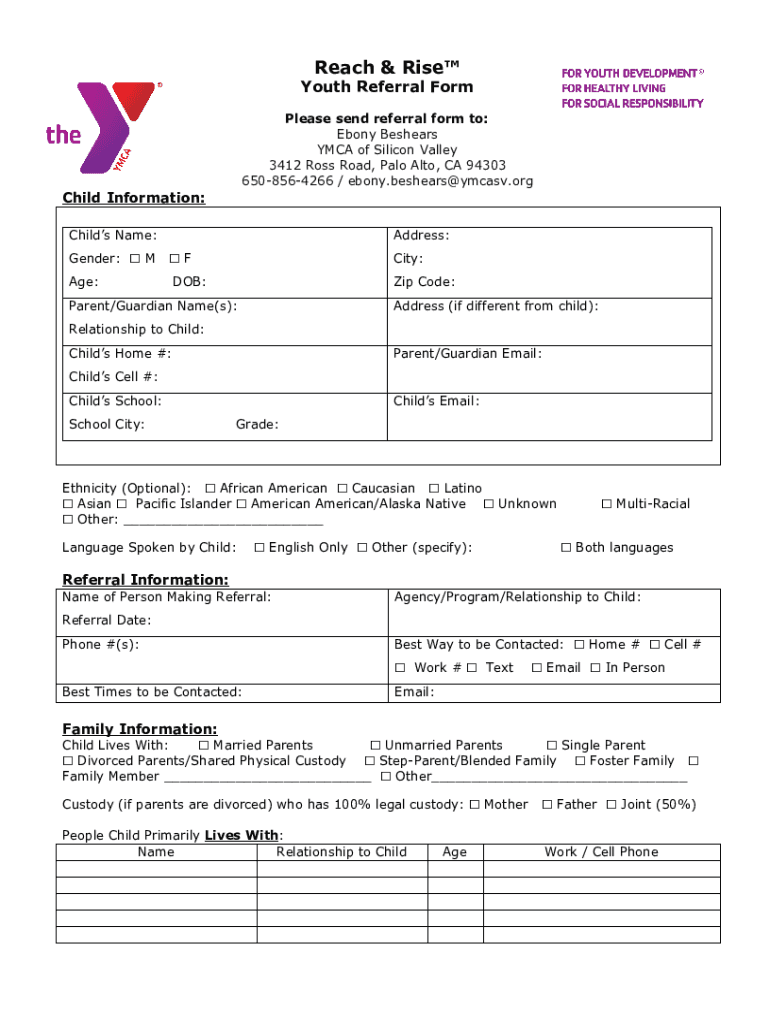
"Form online" refers to digital forms that can be created, filled out, submitted, and processed via the internet. These forms eliminate the need for paper-based documentation, offering a streamlined process for both individuals and organizations. Online forms can serve various purposes across different sectors, including application forms, surveys, registration forms, and tax-related forms.
Digital forms are advantageous because they enhance efficiency, reduce costs associated with printing and storage, and improve accessibility. They also facilitate real-time data collection and analysis, making them a valuable tool for modern businesses and government agencies.
How to Use the Form Online
Using a form online involves several straightforward steps, beginning with identifying the required form for your specific needs. For instance, if you need to submit a tax return, ensure you have the correct tax form version. Once identified, you can access it via a computer or mobile device through a web browser or relevant application.
-
Locate the form: Access the form through the specific website hosting it, such as a government portal or a company's website.
-
Complete the form: Enter the required information in each field. Many online forms will guide users with instructions or hints to ensure all necessary details are correctly entered.
-
Review information: Double-check all entries for accuracy and completeness before submission to avoid delays or rejections.
-
Submit: Once satisfied with the accuracy of your entries, submit the online form. Many platforms provide a confirmation message or email upon successful submission.
Online forms often have built-in validation checks to minimize errors, guiding users through the submission process effectively.
Steps to Complete the Form Online
Completing an online form efficiently requires adhering to a systematic approach. Here’s a step-by-step guide:
-
Download or Open the Form: Access the form from its online location. This may involve downloading a PDF or completing fields directly on a webpage.
-
Enter Personal Details: Provide accurate personal information, ensuring that details such as names, addresses, and identification numbers are current and correct.
-
Fill All Mandatory Fields: Many forms have mandatory fields marked with an asterisk. Make sure all these fields are completed to avoid submission issues.
-
Upload Required Documents: If the form requires supporting documents, use the upload feature to attach files. Ensure these files conform to the specified formats and size limits.
-
Review Your Entries: Go through the entire form once more to affirm the accuracy and completeness of your inputs.
-
Submit the Form: Click the submit button and wait for the confirmation of receipt. Save or print a copy of your filled form and confirmation for your own records.
This approach ensures a comprehensive and error-free submission, saving time and potential frustration.
Benefits of Using Forms Online
The implementation of online forms offers several benefits that make them a popular choice across various applications. Key advantages include:
-
Convenience: Forms online can be filled out from any location with internet access, eliminating the need for physical travel to a specific location.
-
Efficiency: Online forms often integrate with databases or platforms, allowing for automatic data entry and retrieval, which speeds up processing times.
-
Cost-effectiveness: Reduces costs associated with printing, mailing, and physical storage.
-
Environmentally Friendly: Significantly decreases paper usage, aligning with sustainability goals.
-
Improved Accuracy: Built-in validation checks reduce human error, ensuring more accurate data compilation.
These benefits make online forms indispensable tools in the modern digital landscape.
Legal Use of Forms Online
When using online forms, it is essential to ensure compliance with legal requirements. Many forms, particularly those related to taxes or legal agreements, have strict guidelines and regulations that must be followed. In the United States, electronic signatures on forms are legally binding and supported by the ESIGN Act. Organizations must ensure that their online forms comply with relevant laws concerning data privacy and electronic transactions.
-
Data Privacy: It is crucial that the information collected via online forms is handled following data protection laws such as GDPR or CCPA.
-
Consent for Data Use: Obtain explicit consent from users before collecting sensitive data and ensure transparency about data usage.
Understanding these legal aspects helps in avoiding penalties and ensures that all transactions conducted online are valid and recognized by law.
Key Elements of the Form Online
When dealing with online forms, several key elements are integral to their function and effectiveness:
-
User Interface: A simple and intuitive user interface enhances user experience, encouraging more submissions.
-
Validation Mechanisms: Checks that prevent user errors by highlighting missing or incorrectly filled sections of the form.
-
Security Features: Encryption and secure access ensure that users' data is protected against unauthorized access or breaches.
These components ensure that online forms are secure, accessible, and efficient for both users and administrators.
Software Compatibility
Online forms often need to integrate with other software systems to maximize their utility. For example, they might interface with accounting software such as QuickBooks for financial forms or CRM systems for customer information forms. This compatibility ensures seamless data flow, reducing manual entry and enhancing operational efficiency.
An online form's ability to sync with popular software platforms makes it versatile and useful for various business and personal applications.
Who Typically Uses the Form Online
A diverse range of users leverage online forms, from individuals to large organizations. Common users include:
-
Government Agencies: For tax forms, permits, licenses, and other official documentation.
-
Businesses: To gather customer feedback, process orders, or manage employee information.
-
Educational Institutions: For applications, enrollment, and feedback collection.
Recognizing the wide adoption of online forms across different sectors underscores their importance in everyday activities and transactions.