




01. Edit your form online
Type text, add images, blackout confidential details, add comments, highlights and more.

Type text, add images, blackout confidential details, add comments, highlights and more.

Draw your signature, type it, upload its image, or use your mobile device as a signature pad.

Send it via email, link, or fax. You can also download it, export it or print it out.
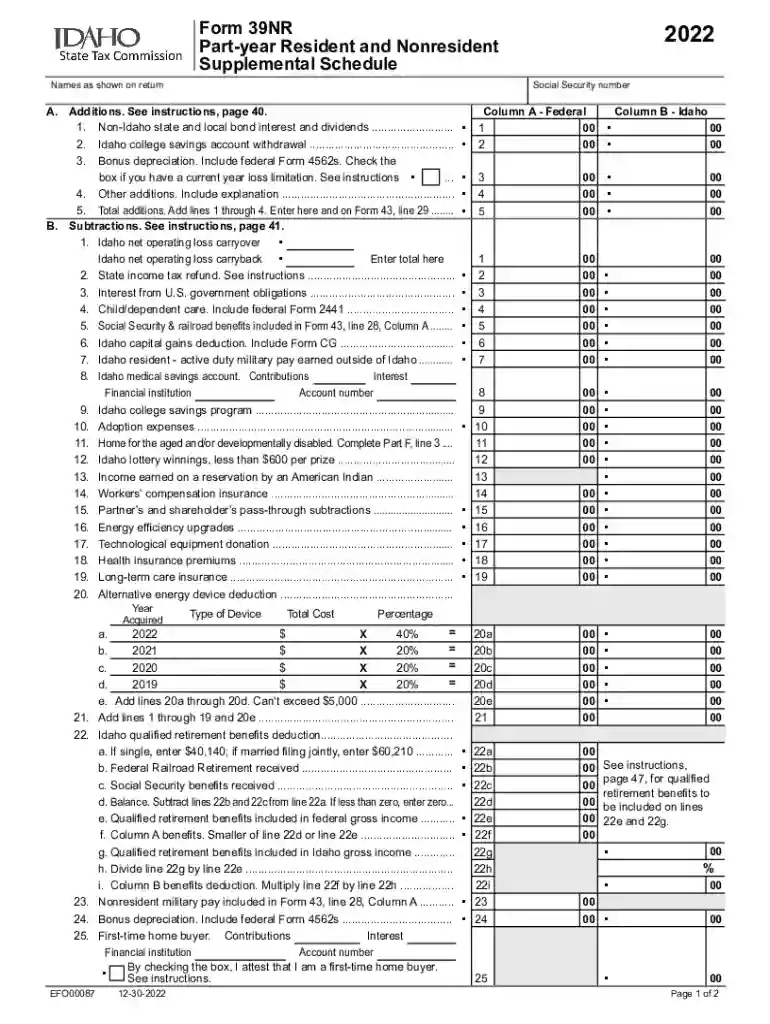
The "Current Individual Income Tax FormsState Tax Commission" refers to the necessary documents required for reporting individual income tax within a specific state jurisdiction in the United States. These forms play a critical role in determining the amount of tax a person owes based on their income, deductions, and credits. Each form is tailored to reflect state-specific tax policies, ensuring that residents comply with both federal and state tax regulations. Understanding these forms is essential for accurate tax filing and avoiding legal and financial penalties.
Collect Personal Information: Gather your personal details, including your social security number, full name, and tax identification number. Ensure accuracy to prevent delays in processing.
Gather Income Documents: Collect all relevant income documents such as W-2s, 1099s, or other income statements. These documents provide the basis for declaring your taxable income.
Identify Deductions and Credits: Review eligible deductions and credits available in your state. Common deductions include retirement savings contributions, mortgage interest, and dependent care expenses.
Fill Out Required Sections: Complete the sections of the form that apply to your financial situation. Use the instructions provided with the form to understand specific requirements for each section.
Review and Verify Entries: Before submitting, carefully review your entries to ensure they are accurate and complete. Verification helps avoid errors that could lead to audits or recalculations.
Submit the Form: Once verified, submit the completed form via the method specified by your state. Options often include online submission, mail, or in-person delivery.
Online Access: Visit the State Tax Commission’s official website. Most states provide downloadable versions of their tax forms in PDF format for easy printing and completion.
Local Tax Offices: Forms can be picked up in person at your nearest tax office. This option is particularly useful if you require assistance or have questions about the forms.
Mail Request: For those without internet access, request that forms be mailed to your home. This option may require contacting the tax commission directly.
Filing the appropriate income tax forms ensures compliance with state tax laws and helps avoid penalties associated with non-compliance. Accurate completion of these forms helps taxpayers take advantage of deductions and credits, potentially reducing their overall tax liability. Filing on time and with precision also prevents legal issues and provides a clear financial record.
Adjusted Gross Income (AGI): Your total gross income minus specific deductions. It is a key figure in determining your taxable income.
Withholding: The portion of income tax collected by your employer and sent to the government as an advance payment of your income tax.
Tax Bracket: The range of income taxed at a given rate, which varies based on your filing status and state tax laws.
Exemption: A set amount you can subtract from your income for yourself and dependents, reducing taxable income.
The forms are legally required for reporting individual income and deductions, ensuring compliance with state tax regulations. They serve as official records that confirm financial activity and tax contributions for the year. Taxpayers must adhere to state guidelines and deadlines for submission to maintain legal standing and financial transparency.
Each state may have unique rules for income tax filings. Differences can include variations in deductions, credits, and rates, reflecting the state’s economic policies. Often, states will outline specific forms for residents and nonresidents to accurately account for their tax liabilities. Understanding these nuances is essential for compliant tax filing.
Part-Year Residents: Individuals who moved to another state mid-year may still be required to file taxes for the portion of the year they resided in the former state.
Self-Employed Individuals: They often need to file estimated taxes quarterly and accurately report income and expenses on specific forms designated by the state.
Retirees: Those receiving pensions or retirement benefits may have unique deductions or credits available, requiring careful consideration when filing.
Online Submission: Fast and often offers confirmation of receipt. Many states encourage online filing through their official websites or authorized portals.
Mail Submission: A traditional method, recommended for those who prefer physical documentation. Ensure correct postage and address the envelope to the proper state department.
In-Person Delivery: Some tax offices allow in-person submission for those who require assistance or verification. Always confirm the operating hours of the local office.
Failing to submit the correct form or missing deadlines can attract penalties such as fines, interest on late payments, or other legal actions. States are vigilant in ensuring compliance, and rectifying errors after the fact can be costly and time-consuming. Ensuring timely and accurate filing helps avoid these complications.
We've got more versions of the Current Individual Income Tax FormsState Tax Commission form. Select the right Current Individual Income Tax FormsState Tax Commission version from the list and start editing it straight away!
At DocHub, your data security is our priority. We follow HIPAA, SOC2, GDPR, and other standards, so you can work on your documents with confidence.
Jul 8, 2025 Current year forms by form number, current year forms by tax type, past year forms, past year by year, past year by tax type, form changes and corrections.Read more
Feb 10, 2026 State of Colorado Individual Income Tax Forms. Instructions and form numbers for current year state income taxes. Also view forms from pastRead more
May 2, 2017 Boxes 15 through 20State and local income tax in- formation (not applicable to Forms W-2AS, W-2CM,. W-2GU, or W-2VI). Use these boxes toRead more


