
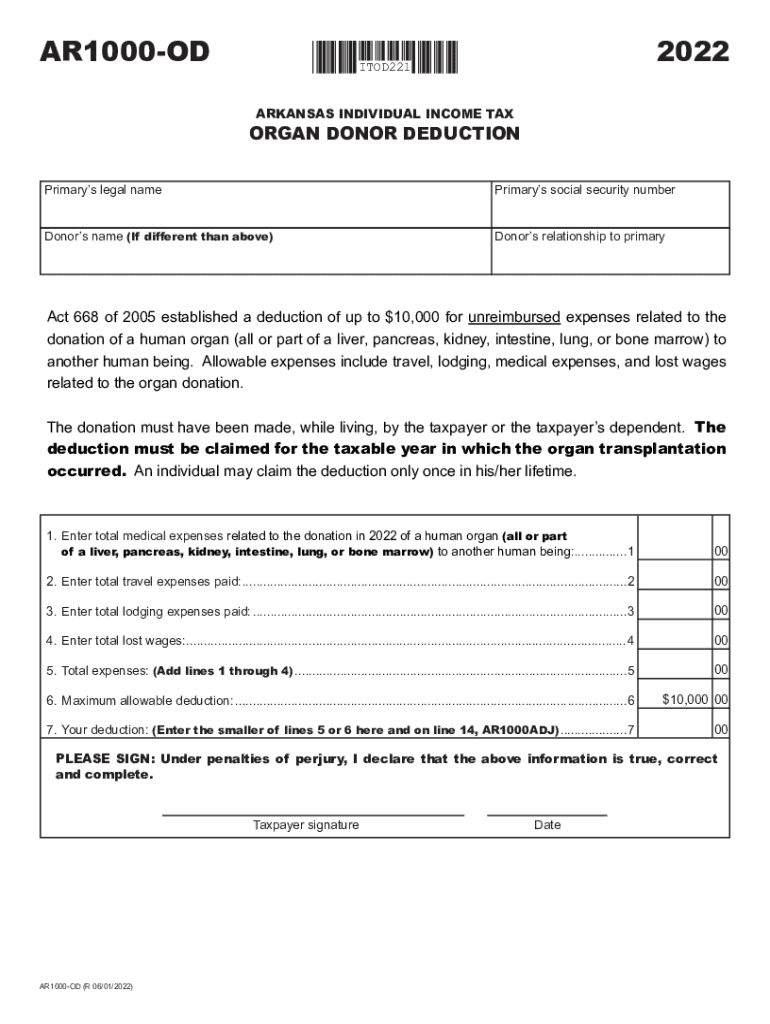







Definition and Meaning
The "Arkansas - Where to File Addresses for Taxpayers and Tax" document is a crucial resource that provides specific mailing addresses for taxpayers in Arkansas who need to file various tax-related documents. This guide ensures that individuals and entities send their paperwork to the correct location, whether filing personal income taxes, business taxes, or other state-related taxes. Understanding and utilizing the correct addresses helps prevent delays in processing and potential penalties due to misdirected forms.
How to Use the "Arkansas - Where to File Addresses for Taxpayers and Tax"
Proper usage of this document involves identifying the specific tax form or document you need to file and then locating the corresponding address within the guide. This process ensures that your submissions reach the right department, which can vary depending on the type of tax, individual vs. business filing status, and whether you are including a payment with your submission. Consider using certified mail to track your documents, especially for critical filings.
Steps to Complete the Arkansas Filing Process
-
Identify the Required Forms: Determine which tax forms you need for your specific circumstances, such as personal income taxes or business taxes.
-
Locate the Appropriate Address: Use the "Arkansas - Where to File Addresses for Taxpayers and Tax" document to find the correct mailing address for your forms.
-
Prepare Your Documents: Gather all necessary supporting documents, ensure accuracy, and complete all required fields on the forms.
-
Mail Your Submission: Send your forms to the identified address. If sending payments, ensure checks are enclosed and correctly filled out.
-
Follow Up: Once mailed, track your submission to confirm receipt and avoid any future discrepancies.
Important Terms Related to the Form
- Form AR1000F: The Arkansas Individual Income Tax Return form for residents.
- Form AR1000NR: A form for non-residents and part-year residents to file their state taxes.
- Tax Year: The specific calendar year for which the taxpayer is filing their taxes.
Understanding these and other terms related to your tax filings is essential to ensure accuracy and compliance with Arkansas state tax laws.
Filing Deadlines and Important Dates
Understanding critical tax deadlines is vital to ensure timely filing and avoid penalties. In Arkansas, individual income tax returns are typically due on April 15th, similar to federal tax deadlines. For corporations and partnerships, deadlines may vary; it's important to consult the latest state guidance or specific documentation to confirm these dates. Extensions are possible, but they require a formal request and may not exempt you from interest on any owed taxes.
Form Submission Methods
The document details various submission methods:
- Online: Many forms can be submitted electronically through state-authorized platforms.
- Mail: Traditional mailing is common for document submission and is often necessary for original signatures or payments.
- In-Person: Although less common, some submissions may be made in person at designated state offices.
Choose the method best suited to your needs, considering factors such as speed, security, and personal preference.
Required Documents
When filing taxes in Arkansas, you will need:
- Completed tax forms (e.g., AR1000F for individuals)
- Income statements such as W-2s or 1099s
- Documentation of deductions and credits (e.g., medical expenses, education credits)
- Identification details, including taxpayer identification number (TIN)
Ensure all required documents accompany your submission to avoid processing delays.
Penalties for Non-Compliance
Failing to comply with filing requirements can result in penalties such as:
- Late Filing Penalty: Typically a percentage of the tax amount due, increasing with the duration of delay.
- Late Payment Penalty: An additional fee on the unpaid tax balance.
- Interest Charges: Accruing interest on overdue taxes.
Understanding these penalties underscores the importance of accurate and timely submissions.
Software Compatibility
For those opting to file electronically, compatibility with tax software like TurboTax or QuickBooks can streamline the process. These platforms often integrate with state filing requirements, providing step-by-step guidance to ensure accuracy and compliance. Always verify that your chosen software supports the most current versions of Arkansas tax forms and requirements.




