
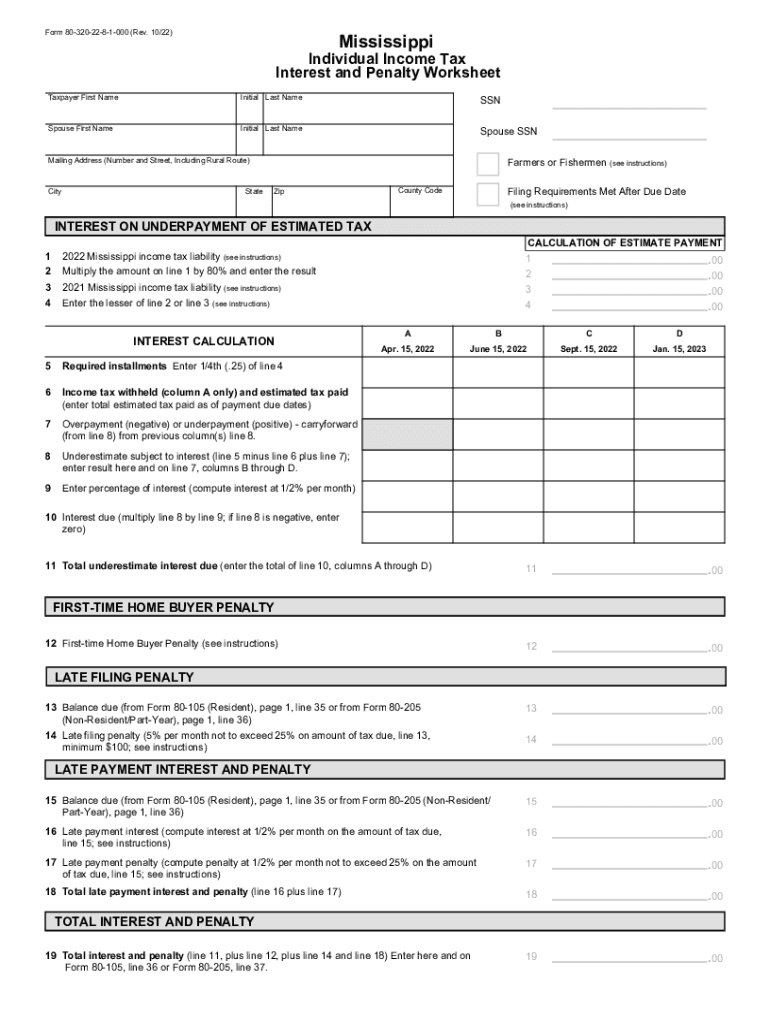







Definition & Meaning
The "Information Return PenaltiesInternal Revenue Service" form is vital for taxpayers to understand the potential penalties associated with failing to file accurate information returns with the IRS. Information returns are documents submitted to the IRS to report various types of income, expenses, or other financial information. Taxpayers need to stay compliant with these reporting requirements to avoid significant fines and penalties.
Key Functions of the Form
- It helps taxpayers calculate penalties incurred for late filing or incorrect submissions.
- Provides instructions on how to minimize or abate penalties under specific conditions.
- Serves as a record detailing the nature and reason for penalties levied by the IRS.
How to Use the Information Return PenaltiesInternal Revenue Service
Utilizing this form correctly helps taxpayers avoid unwarranted penalties. Here are detailed steps to manage the process effectively:
- Identify Required Information Returns: Determine all forms or returns that need submission to the IRS, such as the 1099 series or W-2s.
- Gather Required Data: Collect all necessary information that determines whether penalties apply, including filing dates and submission proof.
- Calculate Penalties: Use the form's guidelines to compute the resultant penalties based on factors like delay duration and error types.
- Request Penalty Abatement: If applicable, prepare an explanation for the IRS on why penalties should be reduced or removed, citing appropriate reasonable causes.
Steps to Complete the Information Return PenaltiesInternal Revenue Service
Completing the form accurately is crucial for reducing liability. Follow these steps:
- Input Identifying Information: Starting with your taxpayer identification number and contact details, fill in all required fields.
- Provide Summary of Compliance: Include detailed information about filed and unfiled returns.
- Detail Penalty Analysis: Calculate the precise penalties using IRS guidelines. Factor in both failure-to-file and failure-to-pay penalties.
- Submit Supporting Documentation: Attach any additional documents that support your request for leniency or penalty reduction.
- Review & Submit: Double-check all entries before submitting either electronically or via mail, following IRS submission protocols.
Penalties for Non-Compliance
Failure to file accurate information returns timely with the IRS can result in steep penalties:
- Late Filing Penalties: Imposed per return if submitted past the due date.
- Inaccuracy Penalties: Applied for submissions with errors or misinformation.
- Intentional Disregard Penalties: Higher fines for knowingly ignoring filing requirements.
Avoiding Penalties
- Ensure Timeliness: Meet all submission deadlines.
- Verify Information: Double-check all data for accuracy before submission.
- Use Correct Formats: Follow IRS guidelines for form types and record-keeping.
Filing Deadlines / Important Dates
Understanding pertinent deadlines ensures compliance and aids in avoiding penalties:
- Annual Deadlines: Typically due January 31 for most common information returns, such as W-2s.
- Correcting Errors Dates: Corrections have separate deadlines.
- Penalty Relief Request Deadlines: Timely requests can mitigate or obviate penalties.
Who Issues the Form
The IRS issues the form and provides guidelines to users regarding the penalties associated with failing to comply with information return requirements. It is available on the IRS website and can be accessed by taxpayers needing to clarify or address penalty situations.
Important Terms Related to Information Return Penalties
Familiarity with relevant terminology enhances understanding and compliance:
- Reasonable Cause: A legitimate explanation offered by taxpayers to justify late or incorrect filings.
- Abatement: Reduction or removal of penalties under specific conditions.
- Mitigation: Steps taken to lessen the impact of penalties once they are incurred.
Software Compatibility (TurboTax, QuickBooks, etc.)
Software integration plays a crucial role in managing tax obligations including penalties:
- TurboTax and QuickBooks: Provide features that help identify filing errors and penalties.
- Integration with IRS e-File: Enables digital completion and submission of forms.
- Tracking Reminders: Set up alerts for crucial deadlines.
By understanding and accurately utilizing the "Information Return PenaltiesInternal Revenue Service" form, taxpayers can efficiently manage and potentially reduce the penalties associated with non-compliance.




