





Definition and Meaning of Form Online
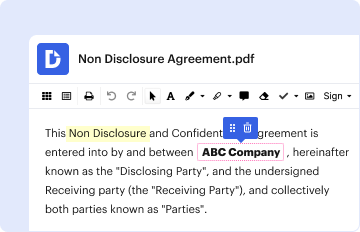
"Form online" refers to digital versions of forms that users can access, fill out, and submit through the internet. Unlike traditional paper forms, online forms offer greater convenience by eliminating the need for physical distribution and manual submissions. These forms are designed to be intuitive, often incorporating interactive elements that guide users in providing accurate information. They can range from simple contact forms on websites to complex state or federal tax forms that require detailed input.
Types of Forms Available Online
- Contact Forms: Used for gathering basic information such as name, email, and messages.
- Survey Forms: These collect feedback or data for research and analytics.
- Application Forms: Common in HR, education, and loan applications.
- Registration Forms: Used for signing up participants in events, memberships, or services.
- Legal and Tax Forms: Includes forms like the W-9 for tax purposes or legal contracts requiring electronic signatures.
How to Use the Form Online
To effectively use an online form, it's essential to understand its layout and features. Start by accessing the form through a web browser on your computer or mobile device. Most online forms are structured to guide users step-by-step through the process, often including:
- Form Fields: Clear sections where users enter data such as text boxes, dropdown menus, or radio buttons.
- Guidelines or Instructions: Text or prompts that help users understand how to complete each section.
- Validation Messages: Notifications that ensure correct data entry, like alerts for missing information.
- Submission Buttons: Finalizing the form with a "submit" or "send" button, usually accompanied by a confirmation message.
Steps for Filling Out an Online Form
- Review instructions thoroughly before starting to ensure all requirements are met.
- Fill in mandatory fields marked by asterisks (*) to prevent incomplete submissions.
- Review entered information for accuracy to avoid processing delays.
- Submit the form and watch for confirmation or further instructions.
How to Obtain the Form Online
Finding the correct form online involves identifying the issuing entity and accessing its official website. Many government forms can be retrieved from sites like the IRS or state department pages, while business forms are often available through company portals or third-party form services like DocHub.
Sources for Online Forms
- Government Portals: Sites that host tax, legal, and identification forms.
- Company Websites: Business-related forms like HR applications or client contracts.
- Form Management Platforms: Tools like DocHub that offer templates and tools for customization.
Steps to Complete the Form Online
Completing an online form involves a sequential process designed to capture all necessary information accurately. Here’s a typical process:
- Access the Form: Navigate to the appropriate webpage and click on the form link.
- Enter Data: Carefully fill out all required sections, paying attention to data integrity.
- Review Details: Cross-check all entered information for any errors.
- Attach Documents: Upload any required supporting documents if applicable.
- Submit and Save: Submit the form, then save the confirmation page or email for records.
Challenges and Solutions
- Missing information: Double-check for misplaced entries or incomplete fields.
- Technical Errors: Use updated browsers and stable internet connections.
Why You Should Use Forms Online
Utilizing online forms provides several benefits over traditional paper forms:
- Efficiency: Instant submission reduces processing time.
- Cost-Effective: Eliminates printing and postage expenses.
- Environmentally Friendly: Reduces paper waste.
- Accessibility: Available anytime, anywhere with internet access.
- Integration: Easily integrates into software platforms for streamlined data handling.
Who Typically Uses Forms Online
Forms online are used widely across various sectors and user groups. Common users include:
- Individuals: Completing personal applications or submitting legal forms.
- Businesses: Handling contracts, registrations, and HR-related documentation.
- Educational Institutions: Managing admissions, enrollment, and feedback forms.
- Government Agencies: Receiving submissions for permits, taxes, and licenses.
Industry Use Cases
- Finance: Loan applications and client information collection.
- Healthcare: Patient intake forms and records updates.
- Event Management: RSVP and registration for participants.
Important Terms Related to Forms Online
Understanding key terms related to online forms can improve user experience and ensure compliant interactions.
Key Terms
- Validation: The process of checking form entries for errors.
- Encryption: Ensuring data security across submissions.
- Responsive Design: Forms adapted for use on various devices.
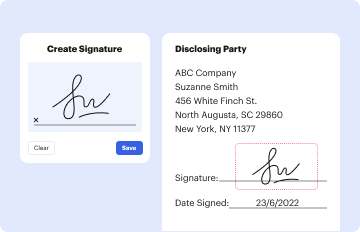
- eSignature: Legally binding electronic signatures on forms.
Legal Use of Forms Online
Online forms that require signatures or bear legal weight must comply with regulations such as the ESIGN Act in the United States. This act ensures that electronic signatures are accepted as valid and enforceable.
Legal Considerations
- Compliance: Forms must adhere to legal requirements for validity.
- User Consent: Obtain explicit consent from users to process their information.
- Record Keeping: Maintain records and audit trails of form submissions and signatures.
Adhering to these guidelines ensures that using online forms is both efficient and legally sound. By implementing best practices and leveraging robust platforms like DocHub, users can maximize the benefits of digital form completion.