
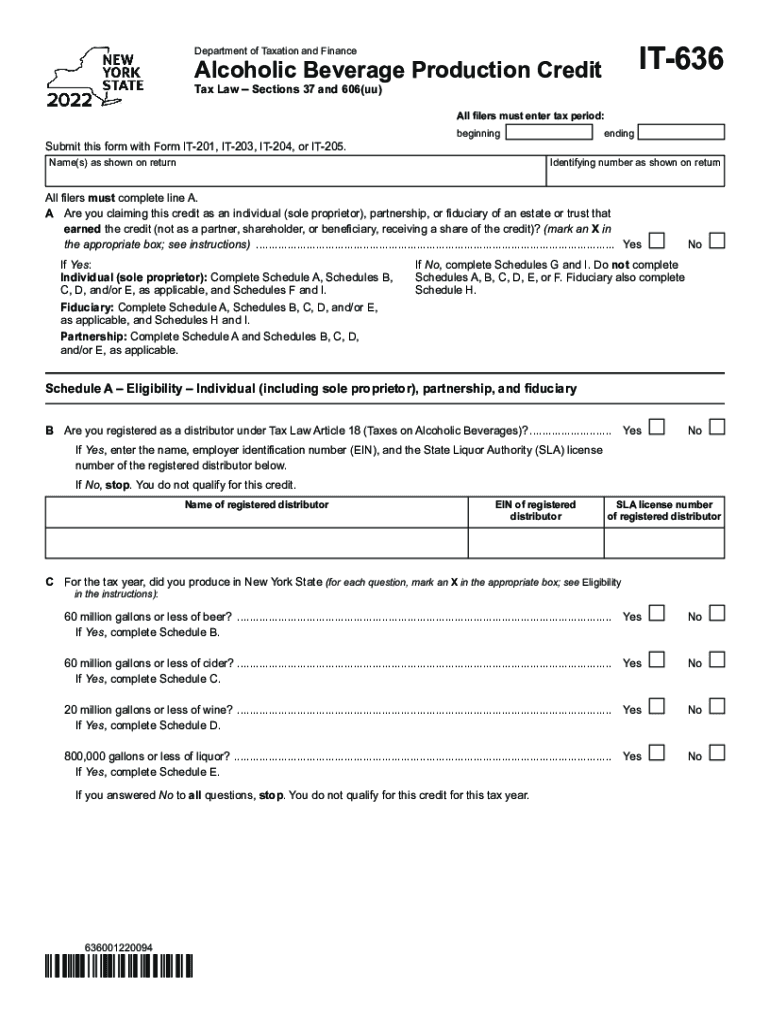







Definition & Meaning
Section 606 Credits against Tax refer to provisions under the New York State Senate legislation allowing taxpayers to offset their tax obligations by claiming specific credits. These credits are designed to encourage certain economic activities, investment, and behaviors by reducing the tax liability for qualifying individuals and entities. The credits can originate from various sources, such as investments in renewable energy, contributions to educational institutions, or compliance with state health initiatives. Understanding these credits is crucial for optimizing tax benefits and ensuring adherence to the state's tax code.
Types of Tax Credits
- Investment Credits: Tax reductions for businesses or individuals investing in particular sectors or assets.
- Education Credits: Incentives for contributing to educational plans or institutions.
- Renewable Energy Credits: Benefits for investing in renewable energy projects or technologies.
- Employment Credits: Credits for creating or retaining jobs in specific industries or areas.
Steps to Complete the SECTION 606 Credits against Tax - LegislationNY State Senate
To successfully claim Section 606 Credits against Tax, the following steps should be followed meticulously:
-
Determine Eligibility: Verify if you or your business qualify for any of the credits under Section 606. This involves understanding the criteria specific to each credit type.
-
Collect Necessary Documentation: Gather all required documents, such as receipts, investment records, and certifications that substantiate your claim for credits.
-
Complete the Appropriate Forms: Fill out the necessary tax forms that correspond to the credits you are claiming. Ensure accuracy and completeness to avoid processing delays.
-
Review Calculation Methods: Make sure to calculate the credit amount correctly, considering any caps or limits imposed by the legislation. Take into account any carry-forward provisions that might apply.
-
Submit the Forms: File your completed forms by the due date, using the specified submission methods. Double-check all entries for accuracy before submission.
-
Track Approval Status: Follow up with the relevant state department to ascertain the approval status of your credit claims. Ensure any additional documentation requests are met promptly.
Key Elements of the SECTION 606 Credits against Tax - LegislationNY State Senate
Understanding the core components of Section 606 Credits is essential for leveraging these tax benefits effectively:
- Eligibility Criteria: Specific conditions or thresholds that must be met to qualify for each tax credit.
- Maximum Credit Limits: Caps on the total amount of credit that can be claimed in a tax year.
- Carry-Forward Provisions: Rules allowing unused credits to be carried into future tax years.
- Documentation Requirements: Essential records or proofs needed to substantiate eligibility and credit claims.
Eligibility Criteria
Section 606 Credits have distinct eligibility requirements that must be satisfied:
- Residency or Business Location Requirement: The claimant must be a resident or have a business operating within the state of New York.
- Sector-Specific Criteria: Certain credits may only apply to specific industries, such as manufacturing or renewable energy.
- Activity-Based Conditions: Participation in eligible activities, like employing veterans or engaging in certain types of research and development.
- Financial Thresholds: Minimum investment levels or spending amounts to qualify for particular credits.


Examples of Using the SECTION 606 Credits against Tax - LegislationNY State Senate
Real-world scenarios can help in understanding how to apply these credits effectively:
- Renewable Energy Investment: A business that installs solar panels can apply for credits reducing taxable income by a portion of the investment cost.
- Educational Contributions: An individual might contribute to a qualified New York college’s fund and receive credits against their state taxes.
- Job Creation: A company expanding its workforce in an underserved area might receive credits based on the number of new hires.
Filing Deadlines / Important Dates
Staying informed about filing deadlines is critical for timely submission:
- Annual Tax Filing Deadline: Typically, state tax returns are due on April 15, aligning with federal deadlines unless an extension is granted.
- Extension Requests: Extensions may be filed, extending the deadline typically by six months, but this does not delay the payment due date.
- Specific Credit Deadlines: Some credits might have unique timelines for filing claims, so it’s essential to consult the relevant sections of the legislation or a tax advisor for guidance.
Required Documents
The following documents are commonly necessary when applying for Section 606 Credits:
- Investment Receipts: Proof of qualified expenditures or investments.
- Certification of Compliance: Documents certifying adherence to state laws and regulations.
- Employment Records: Payroll records substantiating the number of employees hired for job creation credits.
- Educational Contributions: Receipts or acknowledgments from institutions receiving charitable contributions.
Who Typically Uses the SECTION 606 Credits against Tax - LegislationNY State Senate
These credits cater to a diverse group of taxpayers:
- Small and Medium Enterprises (SMEs): Often take advantage of job creation and investment credits.
- Individuals: Use education and renewable energy credits to reduce personal tax liabilities.
- Large Corporations: Engage with multiple forms of credits to optimize their overall tax strategy.
- Non-Profit Organizations: May benefit indirectly through increased donations incentivized by available tax credits.

Important Terms Related to SECTION 606 Credits against Tax - LegislationNY State Senate
Understanding specific terminology is crucial for navigating the credit claims process:
- Tax Credit: A direct reduction in the tax owed, distinct from a tax deduction.
- Carry-Forward: The ability to apply unused credits to future tax periods.
- Eligible Activity: Actions or investments that meet the specified criteria for obtaining tax credits.
- Tax Liability: The total amount of tax owed to the state before credits are applied.
Legal Use of the SECTION 606 Credits against Tax - LegislationNY State Senate
Compliance with legal standards is mandatory to claim these credits:
- Ensure all claims are backed by necessary documentation and meet eligibility requirements.
- Understand the penalties for fraudulent credit claims, which can include repaying the credit with interest and facing additional state penalties.
- Engage legal or tax professionals to audit claims and assist with filing, especially for complex cases involving multiple credits.
Software Compatibility
Navigating the credit application process digitally can be facilitated by software:
- Tax Filing Software: Common platforms like TurboTax or QuickBooks support state-specific credits and integrate seamlessly with federal returns.
- Online Portals: State-provided digital filing systems may offer resources and assistance specific to New York State credits.
- Document Management Systems: Tools like DocHub can streamline the documentation process by allowing easy annotation, signing, and sharing of tax documents.




