
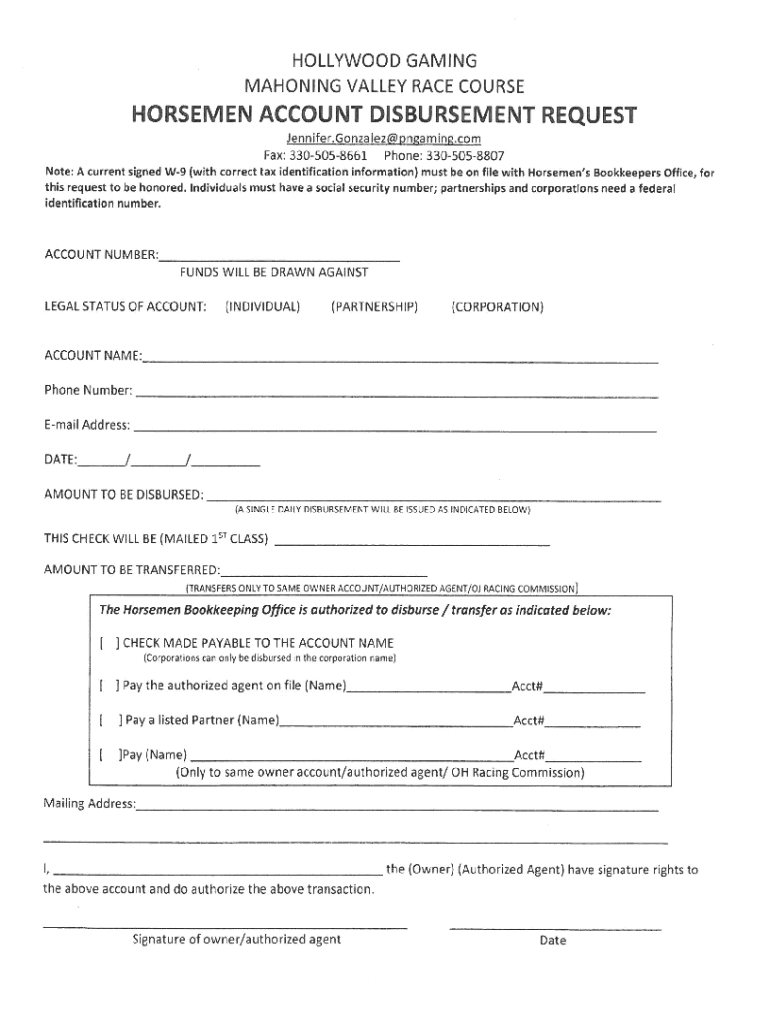







Definition & Meaning
The term "form online" refers to digital versions of documents that are filled out and submitted over the internet. These forms can be used for a wide range of purposes, such as applications, registrations, surveys, or data collection tasks. Unlike physical forms, online forms offer convenience and efficiency by allowing users to input and submit information directly from their devices, eliminating the need for paper-based submissions. The creation and management of these forms are often supported by platforms like DocHub, which simplifies the process and enhances data accuracy through structured fields and automated validations.
Steps to Complete the Form Online
Completing a form online involves several key steps that ensure the accuracy and integrity of the data collected. First, access the form through a link sent via email or from a trusted website. Review all instructions carefully, particularly those regarding mandatory fields indicated by an asterisk or bold font. Begin by entering your personal or requested information into each field, using dropdowns, checkboxes, or text inputs as required by the form. If the form includes interactive elements, such as date pickers or multi-select options, use them to select the appropriate values. Before submission, review your entries for accuracy. Platforms like DocHub may offer a preview feature, allowing you to confirm that all responses are correct. Once satisfied, submit the form, receiving a confirmation message or email if configured.
Why Should You Form Online
Utilizing online forms offers numerous advantages over traditional paper-based methods. Firstly, they provide a streamlined and efficient workflow, reducing the time and effort required to process information. With online forms, data can be collected and organized automatically, minimizing human error and the need for manual data entry. This is particularly beneficial for businesses and organizations that handle large volumes of information. Online forms are also environmentally friendly, as they eliminate the need for paper and can be accessed from any internet-enabled device, fostering inclusivity and accessibility. Platforms like DocHub enhance these benefits by providing tools that facilitate form creation and management, making it easy to design interactive forms that guide users through the completion process.
Key Elements of the Form Online
Online forms typically consist of several critical components designed to facilitate data collection. These include input fields for entering text, such as names and addresses, and selection tools like dropdown menus and checkboxes for predefined options. Additionally, forms may feature radio buttons for exclusive selections, date pickers for easy calendar entries, and file upload options for attaching documents or images. Signature fields can also be included, allowing users to sign electronically to verify the information provided. Each element is intended to capture specific data types, ensuring comprehensive and organized data collection. Form platforms may support conditional logic, dynamically displaying or hiding fields based on previous responses, further customizing the user experience.
Who Typically Uses the Form Online
Online forms are utilized by a diverse range of users and industries. Businesses often use them for customer feedback, order processing, or employee onboarding, while educational institutions may use them for registrations or surveys. Government agencies employ online forms for applications, renewals, and other public services. Furthermore, individuals use online forms for personal purposes, such as event RSVPs or service requests. Organizations gain the benefit of efficiently managing communication and transactions, streamlining processes that can span various departments or multiple stakeholders. Platforms like DocHub enable these users to create, manage, and collaborate on forms effortlessly, catering to both small-scale needs and complex enterprise requirements.


Legal Use of the Form Online
Online forms must adhere to specific legal standards to ensure compliance and validity, especially when used for contractual or sensitive transactions. For instance, electronic forms that facilitate agreements or authorizations often incorporate e-signatures, which are legally binding under acts such as the ESIGN Act in the United States. Compliance with data protection regulations, such as GDPR or CCPA, is crucial when forms collect personal data. Users must ensure that consent is obtained where necessary, and that privacy policies are transparent and accessible. Platforms like DocHub offer tools to comply with these legal requirements, including audit trails that record access and modification history, and encryption that safeguards data against unauthorized access.
Form Submission Methods (Online / Mail / In-Person)
Forms can be submitted through various methods, with online submissions being the most prevalent due to their convenience and immediacy. When submitting forms online, users benefit from instant delivery to the receiving party, and acknowledgments or automated confirmations provide an immediate record of submission. Alternatively, forms can be printed and submitted via mail or delivered in person, which may be required for documents needing physical verification or notarization. Each method has its own advantages; online submissions are efficient and paperless, while mail or in-person submissions may be necessary for original document validation. Platforms like DocHub optimize online submissions by integrating with cloud storage and email systems, ensuring seamless and reliable electronic delivery.
Important Terms Related to Form Online
Understanding the terminology associated with online forms enhances comprehension and usage. Common terms include "fields," which are individual sections within a form for data entry, and "validation," which refers to checks ensuring correct data entry formats. "Encryption" is the process of converting data into a code for security purposes, while "dropdown menu" describes a list of options from which users choose. "Conditional logic" dictates the display of form elements based on previous inputs. Users should familiarize themselves with these terms to efficiently navigate and complete forms. Platforms like DocHub often provide resources that clarify these terms, assisting users in creating or completing forms accurately and securely.
Digital vs. Paper Version
The differences between digital and paper forms are significant in terms of functionality and practicality. Digital forms, accessible through platforms like DocHub, offer dynamic features such as automated field validation, conditional logic, and e-signature capabilities. They allow for real-time data entry and instant submission. Paper forms, in contrast, require manual distribution, completion, and collection, often leading to higher resource use in terms of material and time. Digital forms also enhance accuracy by reducing transcription errors and support remote access, making them ideal for widespread adoption across varying geographical locations. However, paper forms might still be preferred in contexts where digital access is limited or where physical signatures are mandated by policy.




