





Definition and Meaning of Form Online
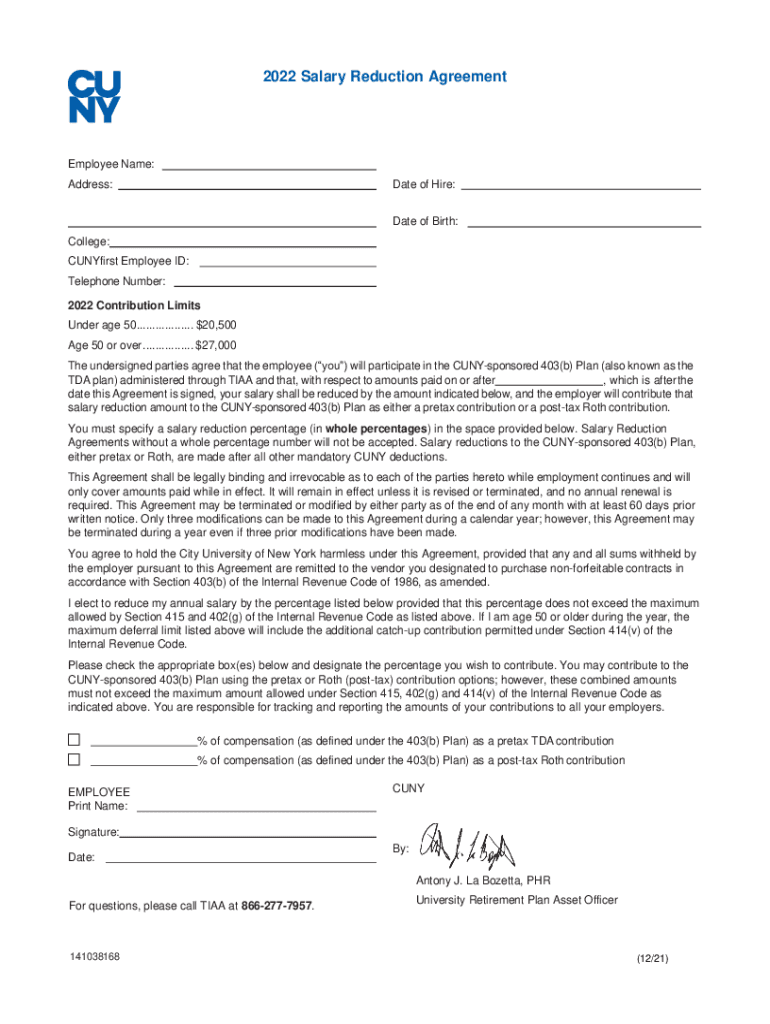
An online form is a digital version of a document that can be filled out electronically. These forms are often used for various purposes, such as applications, surveys, registrations, or feedback collection, allowing users to submit information without needing a printed document. The online nature facilitates quicker processing and greater convenience for both the user and the recipient. Filling out forms online eliminates geographical boundaries and often includes features like automatic data validation, which reduces errors in submissions.
How to Use the Form Online
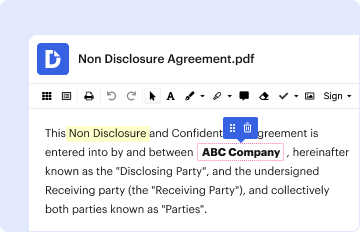
Utilizing an online form involves a straightforward process that begins with accessing the form through a computer or mobile device connected to the internet. Users typically open the form using a web browser, where they are guided through sections that require relevant information. Online forms often use interactive elements like drop-down menus, checkboxes, and text fields to collect data. Upon completion, the form can be submitted with the click of a button, sending the data directly to the intended recipient or system.
Step-by-Step Instructions
- Access the Form: Navigate to the platform or website hosting the form.
- Complete Required Fields: Fill in all mandatory fields marked with an asterisk (*) signifying essential information.
- Review the Form: Check all entered data for accuracy before submission.
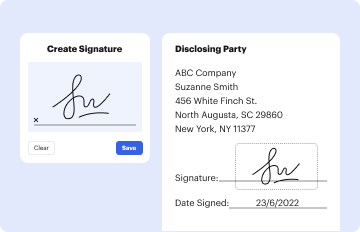
- Submit the Form: Press the 'submit' button to send your data electronically.
- Confirmation Receipt: Look for an email or on-screen message confirming submission.
Steps to Complete the Form Online
Completing an online form generally follows a logical sequence designed to facilitate error-free and efficient data entry. Users start by reading any instructions or guidelines provided at the beginning of the form. It may also be helpful to gather any necessary information or documentation prior to starting.
- Read Initial Instructions: Understand the purpose and requirements of the form.
- Fill in Personal Information: Include your name, contact details, and other personal data.
- Provide Documentation: Upload any required documents usually in formats like PDF or JPEG.
- Finish and Submit: Double-check all fields before submitting the form. Correcting errors before submission reduces processing delays.
Why Should You Use the Form Online
Online forms provide myriad benefits compared to traditional paper-based forms, both in terms of efficiency and accessibility. They are often accessible 24/7, ensuring applicants can complete them at their convenience, without adhering to office hours or facing postal delays. The automated nature also helps organizations reduce administrative burden, leading to faster processing times and less manual data handling.
Who Typically Uses the Form Online
Online forms cater to a wide range of users, including individuals, businesses, and government agencies.
- Individuals: For job applications, surveys, registration for events, or subscription services.
- Businesses: To streamline operations like client onboarding, feedback collection, and employee evaluations.
- Government Agencies: For tax filings, benefit applications, or census data collection.


Important Terms Related to Form Online
Several terms are frequently used in the context of online forms:
- Field Validation: Ensures entered data meets required parameters, like numerical constraints or date formats.
- Responsive Design: Makes forms compatible with various devices by adjusting their layout automatically.
- Form Logic: Uses conditions to show or hide questions based on previous responses, improving user experience and data relevance.
Key Elements of the Form Online
Effective online forms are designed with several core components that enhance user interaction and data reliability.
- User-Friendly Interface: Clear layout and intuitive design to guide users through the form.
- Data Security Measures: Encryption methods to protect user information.
- Submit Confirmation: Immediate feedback that the form has been successfully sent.
Form Submission Methods
Understanding the different methods of submission can ensure you choose the best option for your situation. Online forms are primarily submitted digitally, enabling speed and convenience. However, depending on the service or regulatory requirement, some forms offer additional methods:
- Online Submission: The most common and preferred method given its speed and efficiency.
- Mailing Hard Copies: Occasionally, printed versions may still need to be mailed for official records.
- In-Person Submission: Rarely used, but required for certain sensitive or highly secure documents.
Examples of Using the Form Online
Online forms have a variety of applications across different sectors:
- Job Applications: Allows candidates to apply by entering personal details and uploading resumes.
- Event Registration: Facilitates quick sign-ups and immediate confirmations for events or webinars.
- Feedback Surveys: Collects user opinions or customer satisfaction data in real-time.
Software Compatibility of Form Online
The effectiveness of online form usage can be enhanced with integration into software suites such as TurboTax or QuickBooks.
- TurboTax: Useful for filing tax-related forms with auto-fill features directly sourced from stored data.
- QuickBooks: Streamlines accounting processes by auto-generating essential financial forms.
Understanding the specific software compatibility can optimize your workflow and reduce manual entry errors.