




01. Edit your form online
Type text, add images, blackout confidential details, add comments, highlights and more.

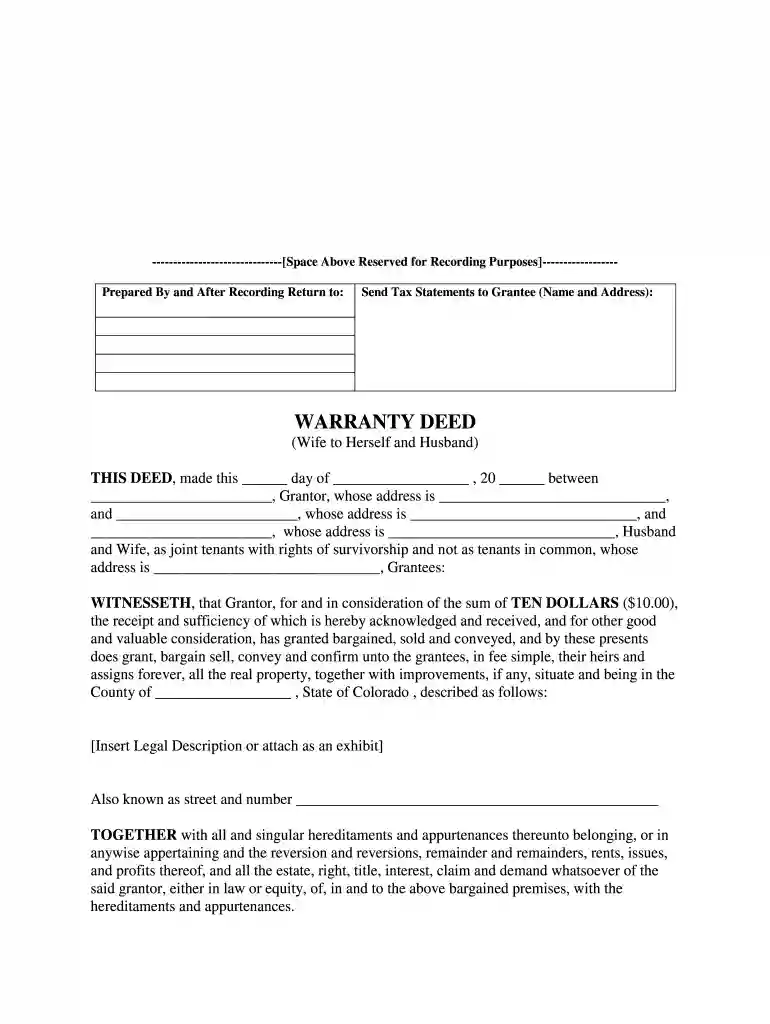
Type text, add images, blackout confidential details, add comments, highlights and more.

Draw your signature, type it, upload its image, or use your mobile device as a signature pad.

Send it via email, link, or fax. You can also download it, export it or print it out.
The Colorado deed property search is an essential tool for individuals and entities looking to verify property ownership, assess property value, and confirm legal details related to real estate in Colorado. This search process primarily involves examining public records to extract information about property deeds, which are legal documents affirming the transfer of property rights from one party to another. The deed search is crucial for ensuring that all details related to the property are clear, accurate, and legally binding, providing peace of mind to potential buyers or stakeholders.
To effectively utilize the Colorado deed property search, follow these key steps:
Access Public Records: Begin by navigating to the official website of the County Clerk or Recorder's Office where the property is located. Each county typically maintains its database of property records.
Input Property Information: Use the search functionality to enter relevant property details, such as the address, parcel number, or property owner’s name. This information helps narrow down the search results.
Review Deed Types: Understand the different types of deeds that may appear in the search results, including warranty deeds, quitclaim deeds, and special warranty deeds, each serving different purposes and offering varying levels of protection.
Download or Print Records: After identifying the correct deed, you may have the option to download or print a copy for further analysis or record-keeping. This document is crucial for any due diligence processes.
The process to obtain a Colorado deed property search involves steps both online and in-person:
Online Access: Most counties in Colorado offer online access to their property record databases. Visit the county's official website, locate the property records section, and use the search tool to find the necessary deeds.
In-Person Visits: For counties that do not provide online access, or if you prefer a physical document, consider visiting the local Recorder or Clerk’s office. The office staff can assist in locating and providing copies of the deed records.
Third-party Services: Several third-party websites also provide access to property records across multiple counties for a fee. These services can expedite the process by consolidating search results from various county databases.
Completing a Colorado deed property search involves the following steps:
Identify the County: Determine the county in which the property is registered as deed searches are conducted at the county level.
Gather Information: Collect all pertinent information such as property address, owner’s name, or parcel number.
Access the Database: Whether online or in-person, access the county’s deed records.
Conduct the Search: Enter the gathered information to perform the search and review the listings.
Verify Information: Cross-check the details in the search results with known property information to ensure accuracy.
Request Copies: If needed, request copies of the deed for personal records or legal purposes.
Performing a Colorado deed property search is vital for several reasons:
Verify Ownership: Confirm that the seller of a property holds legal ownership, preventing potential fraud or misrepresentation.
Identify Liens or Encumbrances: Discover any liens, mortgages, or encumbrances that may affect the property’s market value or prevent clear transfer of title.
Understand Property History: Gain insights into the property’s history, including past owners and any changes in property boundaries or usage.
Legal Assurance: Ensure all legal documents are in order, safeguarding against future legal disputes over the property.
Several groups regularly use Colorado deed property searches, including:
Real Estate Investors: Assess property value and verify seller information before making investments.
Legal Professionals: Conduct due diligence for clients involved in property transactions or litigation.
Homebuyers: Validate the ownership and ensure all seller details are accurate before purchasing a home.
Title Companies: Perform thorough checks to issue title insurance policies with confidence.


Understanding the key elements involved in a Colorado deed property search is essential for accurate execution:
Grantor and Grantee Information: These sections list the parties transferring and receiving the property rights.
Legal Description of Property: Provides a detailed description that uniquely identifies the property, including boundaries and parcel numbers.
Date of Transfer: Indicates when the property rights were legally assigned from one party to another.
Document Number: A unique identifier for the deed record, facilitating easy retrieval in future searches.
Colorado has specific rules governing property deeds and searches:
Public Accessibility: Colorado law mandates that property deeds are public records, ensuring transparency and accessibility for all interested parties.
County-Level Records: All property records are managed at the county level, requiring users to interact with the appropriate county officials or systems.
Legal Requirements: Deeds must meet state regulations, including proper notarization and recording, to be valid, emphasizing the importance of due diligence during a search.
At DocHub, your data security is our priority. We follow HIPAA, SOC2, GDPR, and other standards, so you can work on your documents with confidence.


