
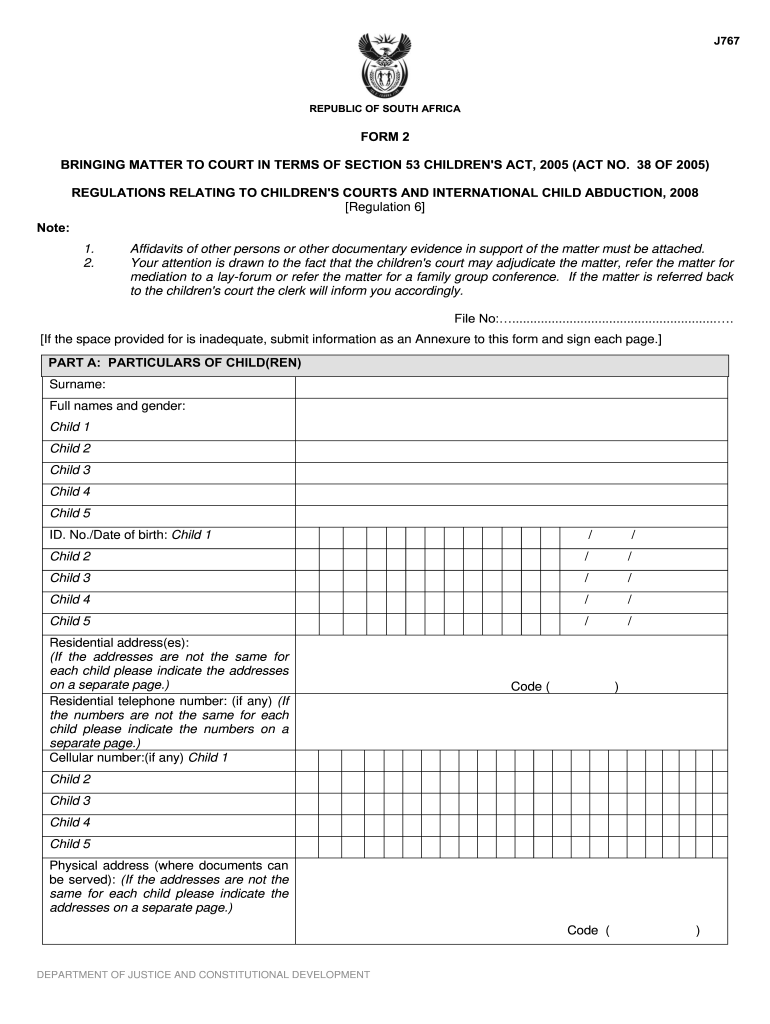







Definition and Purpose of the Legal Guardianship Document
A legal guardianship document is a formal legal instrument that establishes a guardian's authority to make decisions on behalf of a minor child or an incapacitated adult. This document is crucial when a child's parents are unable or unwilling to care for them, whether due to illness, death, or other circumstances. The guardianship document outlines the responsibilities and rights granted to the guardian, ensuring that the needs of the individual under guardianship are met.
Key Components of the Legal Guardianship Document
- Personal Information: This includes the names, addresses, and birth dates of both the guardian and the person under guardianship.
- Nature of Guardianship: The document should clarify whether the guardianship is full, granting comprehensive rights and responsibilities, or limited, where specific rights are retained by the parents or individual.
- Signatures: It typically requires the signatures of the guardian, the individual granting guardianship (often a parent), and witnesses to validate the agreement.
- Court Approval: Depending on state laws, some legal guardianship documents may need to be filed with the court to receive judicial approval.
This document serves not only as proof of guardianship but also as a safeguard for the well-being of the individual placed under guardianship, ensuring they are provided for as if they were in the care of their biological parents.
Steps to Complete a Legal Guardianship Document
Completing a legal guardianship document involves a series of key steps that ensure all necessary information is accurately included and that the document conforms to legal standards.
-
Gather Required Information: Collect all necessary details, such as the full names, addresses, and date of birth of both the guardian and the individual needing guardianship.
-
Select the Type of Guardianship: Determine whether a full or limited guardianship is appropriate based on the needs of the individual involved.
-
Draft the Document: Use a template or consult with a legal professional to draft the guardianship document, ensuring it includes all essential clauses and adheres to state-specific laws.
-
Review the Document: Carefully check for accuracy in names, dates, and other critical information. Seek legal advice if unsure about any provisions.
-
Sign the Document: The guardian, the individual granting guardianship, and any required witnesses must sign the document. It’s important to do this in front of a notary for additional validity.
-
File with the Court (if required): Depending on your jurisdiction, you might need to submit the guardianship document to the relevant court for approval. This often involves completing additional forms and potentially attending a hearing.
Additional Considerations
- State-Specific Requirements: Different states have varying regulations regarding guardianship documents. It is essential to be aware of local laws to ensure compliance.
- Documentation for Court: If court approval is required, be prepared to submit supporting documents, such as health records or proof of the parents' incapacity.
Important Legal Terms Related to Guardianship Documents
Understanding specific legal terminology associated with guardianship documents can enhance comprehension and facilitate smoother interactions with legal professionals.
- Guardian: The individual appointed to make decisions for another person.
- Ward: The individual whose care and decision-making are to be overseen by the guardian.
- Petition for Guardianship: A formal request made to the court to establish guardianship, often accompanied by evidence supporting the need for a guardian.
- Court Order: A legal ruling that establishes the guardianship upon completion of legal requirements and procedures.
- Incapacitated: Refers to an individual's inability to manage their affairs due to mental or physical conditions.
These terms are foundational not only for creating a guardianship document but also for navigating discussions with legal professionals.
Examples of Scenarios Requiring Legal Guardianship
Various situations may necessitate obtaining a legal guardianship document. Understanding these examples can clarify the context in which such documents are used.
-
Parental Illness: If both parents become seriously ill or incapacitated, a temporary guardian may be appointed to care for the children until a long-term solution is reached.
-
Parental Death: In the event of the death of one or both parents, a guardianship document can clarify who has the legal authority to care for the children.
-
Parental Abuse or Neglect: When parents are unable to provide a safe environment, a relative or friend may seek guardianship to ensure proper care and protection.
-
Mental Health Concerns: An adult may seek guardianship over another adult who is no longer able to make rational decisions due to mental health issues.
Understanding these scenarios is crucial for identifying when to pursue guardianship, ensuring the welfare of those involved.
Digital Resources for Document Management
In the current digital age, managing a legal guardianship document can be streamlined through various online tools. Digital document management platforms like DocHub offer several features conducive to creating, editing, and managing guardianship forms efficiently.
-
Ease of Use: Users can easily edit existing documents or create new ones from scratch, thanks to user-friendly interfaces.
-
Collaborative Tools: Document-sharing features allow multiple users to collaborate on the guardianship document, enabling legal professionals, family members, and other stakeholders to provide input.
-
Secure Storage: Documents are safely stored online, protected by encryption, ensuring that sensitive information remains confidential and accessible only to authorized individuals.
-
Signing Mechanisms: Legally binding electronic signatures ensure that the document can be executed without physical presence, expediting the process.
Utilizing these digital tools can simplify the creation and management of legal guardianship documents, making it easier to navigate the complexities involved.
State-Specific Regulations on Guardianship Documents
Legal requirements for guardianship documents can differ significantly from one state to another. Familiarizing oneself with these distinctions is vital for legal compliance.
General Variations Include:
- Filing Requirements: Some states may mandate that guardianship documents be filed with a court for validation, while others may not require this.
- Required Signatures: Certain jurisdictions may require notarization or additional witness signatures to enhance the document's legitimacy.
- Age of Majority: The age at which minors can consent to their own guardianship or the termination of guardianship varies by state, affecting when a guardianship document can be enacted or revoked.
Ensuring compliance with state-specific regulations safeguards against potential legal challenges and affirms the document’s enforceability.
Consequences of Non-Compliance with Guardianship Requirements
Failing to properly execute a legal guardianship document can lead to severe ramifications, impacting the well-being of the individual under guardianship.
-
Legal Challenges: Incomplete or improperly filed documents may lead to disputes over custody, potentially resulting in court hearings or legal battles.
-
Inaccessibility to Medical Decisions: Without a properly executed guardianship document, access to essential medical or educational decisions may be hindered, compromising the care of the individual.
-
Financial Implications: Guardianship disputes can incur significant legal fees and costs, detracting from resources available for the individual's care.
Understanding these consequences underscores the importance of properly managing the guardianship documentation process, ensuring the legal and practical needs of all parties are met.




