



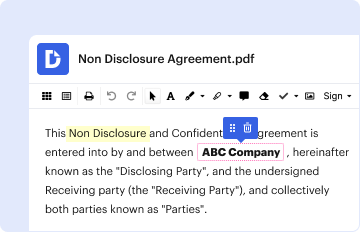
01. Edit your royal mail claim form online pdf online
Type text, add images, blackout confidential details, add comments, highlights and more.

Type text, add images, blackout confidential details, add comments, highlights and more.
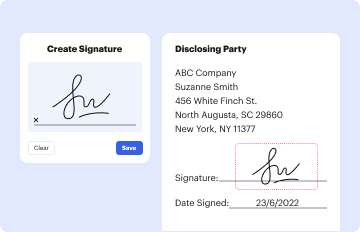
Draw your signature, type it, upload its image, or use your mobile device as a signature pad.

Send royal mail claim form online via email, link, or fax. You can also download it, export it or print it out.
The Royal Mail claim form is essential for submitting claims related to lost, damaged, or delayed inland mail. Whether you're an individual who occasionally sends parcels or a business with frequent shipping needs, this form helps ensure compensation when postal services do not meet expectations. It's crucial to understand the various components and requirements for a successful claim to avoid avoidable mistakes and delays.
There are several claims types available with the Royal Mail claim form to cater to different situations, ensuring you receive the appropriate compensation depending on the issue encountered.
Filling out the Royal Mail claim form accurately is critical to ensure the process is smooth and avoids delays. The following steps provide a guide on how to complete the form:
Supporting documentation strengthens your claim and speeds up the processing time. Ensure the following are included:
Submissions can be made through various methods, ensuring flexibility according to your preferences and conveniences.
When filling out the Royal Mail claim form, common mistakes can lead to delays or denial of compensation:
Understanding the legal implications and uses of the form can protect you from potential issues. The form is designed strictly for legitimate claims on postal services that did not fulfill their obligations according to established terms.
Familiarizing yourself with the terminology associated with the Royal Mail claim form helps in accurately completing it and understanding specific requirements.
The efficiency of the claims process largely depends on your understanding of these key elements:
These sections collectively aim to provide comprehensive and clear guidance on utilizing the Royal Mail claim form effectively, ensuring that your claims are handled with accuracy and efficiency.
At DocHub, your data security is our priority. We follow HIPAA, SOC2, GDPR, and other standards, so you can work on your documents with confidence.
Royal Mail is required by its license to establish procedures for compensation of mailers in case of loss, theft, damage, or delay.
MAIL: Mail the completed claim form to 333 E. Franklin St., Richmond, VA 23219. IN PERSON: Bring the completed claim form to any of our VWC Office Locations.Read more


