





Definition and Meaning
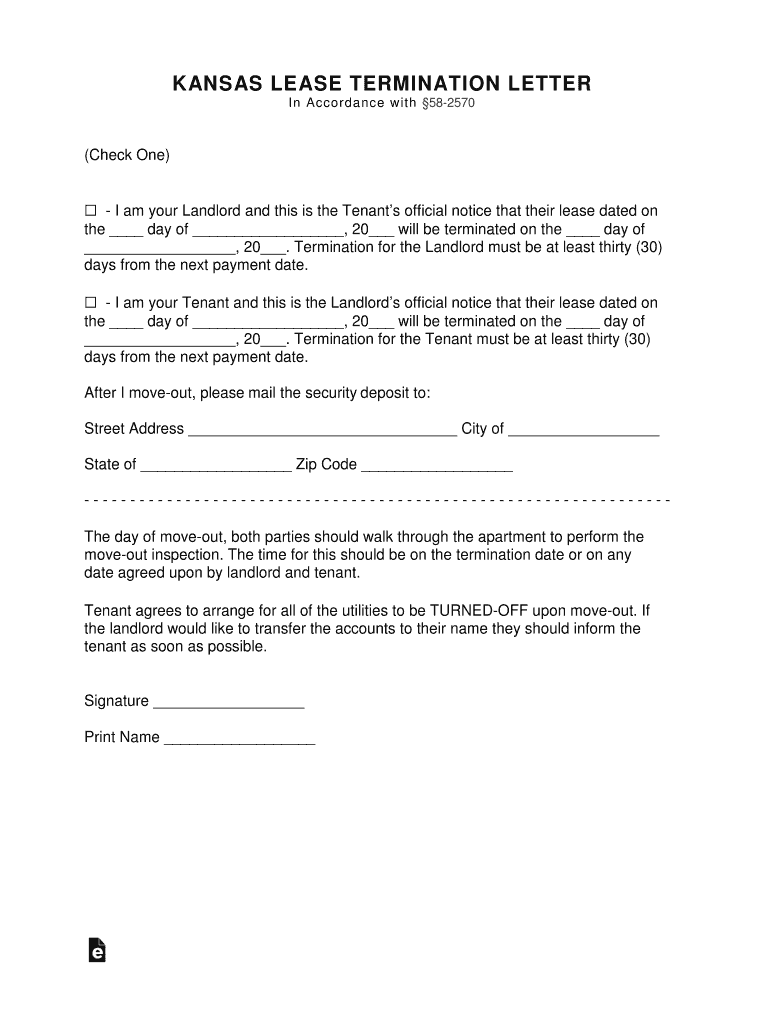
A Free Colorado Lease Termination Letter, known as Form JDF 97, is an official document used to notify the other party of the intent to terminate a lease agreement in the state of Colorado. This form can be utilized by either a landlord or a tenant. It is designed to formally communicate the decision to end the leasing relationship, ensuring that both parties are informed and that the process adheres to Colorado's legal requirements. The lease termination letter outlines essential details such as the notice period, which must comply with state laws, typically requiring a minimum of thirty days' notice.
Key Functions of the Lease Termination Letter
- Formal Notification: Serves as an official notice from one party to the other, indicating the end of the lease agreement.
- Legal Compliance: Ensures the termination process conforms to Colorado state laws.
- Clarity and Documentation: Provides a record of termination terms, reducing the risk of disputes.
Important Terms Related to Form JDF 97
Understanding specific terms related to the Colorado Lease Termination Letter is crucial for effectively using the form and avoiding potential legal issues. Some important terms include:
- Notice Period: The amount of time required by law or lease agreement that one party must give the other before the termination of the lease takes effect.
- Lease Agreement: A legal contract between the landlord and tenant that outlines the terms and conditions of the rental arrangement.
- Security Deposit: A sum of money held by the landlord as a form of security to cover potential damages or unpaid rent.
- Move-Out Inspection: An assessment typically conducted at the end of the tenancy to evaluate the property's condition and address any potential deductions from the security deposit.
Steps to Complete the Free Colorado Lease Termination Letter
Completing the Free Colorado Lease Termination Letter involves several detailed steps to ensure accuracy and compliance:
- Include Current Date: Record the date when the termination notice is being prepared.
- Identify Parties: Clearly state the full names and addresses of both the landlord and the tenant.
- Specify Lease Details: Reference the original lease agreement by including the start date and address of the rented property.
- State Termination Date: Provide the date on which the lease termination will take effect.
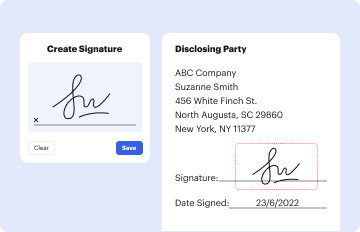
- Sign the Form: Both parties should sign the document. Signatures authenticate the notice and serve as acknowledgment of receipt and understanding.
Additional Considerations
- Return Address Information: Include a return address for the return of the security deposit or any further correspondence required post-termination.
- Attachments: Attach copies of relevant documents such as the original lease agreement or any correspondence pertaining to the termination terms.
Legal Use of the Free Colorado Lease Termination Letter - Form JDF 97
Form JDF 97 is a legal tool designed to facilitate the termination of a lease agreement within the scope of Colorado law. Its use is governed by several legislative requirements:
Compliance with State Laws
- Colorado Rental Laws: The form must adhere to Colorado’s statutory regulations concerning lease termination, including proper notice periods, based on the tenure of the lease.
- Tenant Rights: Ensures that the tenant's rights are protected, particularly in relation to receiving due notice and the timely return of the security deposit.
- Landlord Obligations: Helps landlords fulfill their legal obligations regarding notice and providing reasons for termination if required by law.
Key Elements of the Free Colorado Lease Termination Letter
To ensure that the form is comprehensive and serves its purpose effectively, it must include specific elements:
- Contact Information: Detailed information about both parties to the lease, including current mailing addresses.
- Lease Agreement Reference: Mention of the original lease agreement details so there is no ambiguity about which contract is being terminated.
- Termination Reasoning (if required): Some circumstances may necessitate stating a reason for the termination, particularly in cases involving lease violations.
- Signatures and Dates: Both landlord and tenant must sign the document, and include the date of signing to validate the notice.
Who Typically Uses the Free Colorado Lease Termination Letter - Form JDF 97
This form is routinely used by various parties involved in rental agreements within Colorado:


Common Users
- Landlords: Those who need to terminate a lease due to an issue with the property, a tenant breach, or personal requirements.
- Tenants: Individuals who wish to leave the rental property due to relocation, financial changes, or dissatisfaction with the living conditions.
- Property Managers: Professionals managing rental properties who use the form to facilitate lawful termination of leases on behalf of property owners.

Examples of Use Cases
- Tenant Relocation: A tenant may use the form to notify their landlord of a planned move to another state for a new job.
- Landlord Sale: A landlord might employ the letter to end a tenancy if they intend to sell the property.
Examples of Using the Free Colorado Lease Termination Letter
Real-World Scenarios
- Example 1: A tenant in Denver has accepted a new job in another city and submits the form to provide an adequate notice period before moving.
- Example 2: A property owner in Boulder decides to renovate the rental unit and uses the form to notify the tenant of lease termination due to upcoming renovations.
Practical Considerations
- Orderly Transition: By using the form, both parties avoid conflicts, enabling a smooth transition out of the tenancy.
- Legal Protection: Adhering to the process protects both tenant and landlord from future legal disputes related to improper lease termination.
State-Specific Rules for the Free Colorado Lease Termination Letter
Colorado has distinct guidelines that must be followed when using Form JDF 97:
Specific Regulations
- Thirty-Day Notice Requirement: Typically necessary for month-to-month leases. Longer lease terms may require a different notice period.
- Shortened Notice for Non-Payment: Different rules may apply, reducing the required notice period if the tenant fails to pay rent.
- Legal Justification: Some situations require legal grounds for termination, such as violations of lease terms or significant damage to the property.
Versions or Alternatives to the Free Colorado Lease Termination Letter
While Form JDF 97 is the standard for Colorado, alternative options may be applicable in varying circumstances:
Common Alternatives
- Mutual Termination Agreement: An agreement reached between the landlord and tenant to end a lease by mutual consent without following traditional notice periods.
- State Offerings: Other state-specific forms may be used if the property straddles regional boundaries, or if the lease was entered into under different jurisdictional laws.
Digital vs. Paper Version
- Digital Version: Available in PDF format and allows for easy electronic sharing, signing, and storage via platforms like DocHub.
- Paper Version: Traditional format that can be physically mailed or delivered to the tenant or landlord, providing a tangible record of notification.
By adhering to these guidelines and utilizing the correct form, both tenants and landlords in Colorado can successfully navigate the lease termination process, ensuring compliance with pertinent laws and mutual understanding.