






Definition and Meaning of Application for Filing Extension
The application for filing extension provides taxpayers with additional time to submit their income tax returns. It is not an extension to pay any taxes owed. The application, when accepted, generally grants a six-month extension past the standard deadline. This form is significant for individuals or entities unable to meet the initial filing date due to unforeseen circumstances or complexity in their financial information.
Using this form avoids the penalties associated with late filing. However, interest on unpaid taxes will still accrue from the original due date. Understanding this distinction is crucial, as it ensures individuals manage their fiscal responsibilities appropriately while leveraging the additional time to prepare accurate documentation.
Steps to Complete the Application for Filing Extension
-
Gather Necessary Information: Begin by collecting all required personal and financial details, including taxpayer identification numbers, estimation of tax liabilities, and any pertinent tax documents. This step ensures accuracy when filling out the form.
-
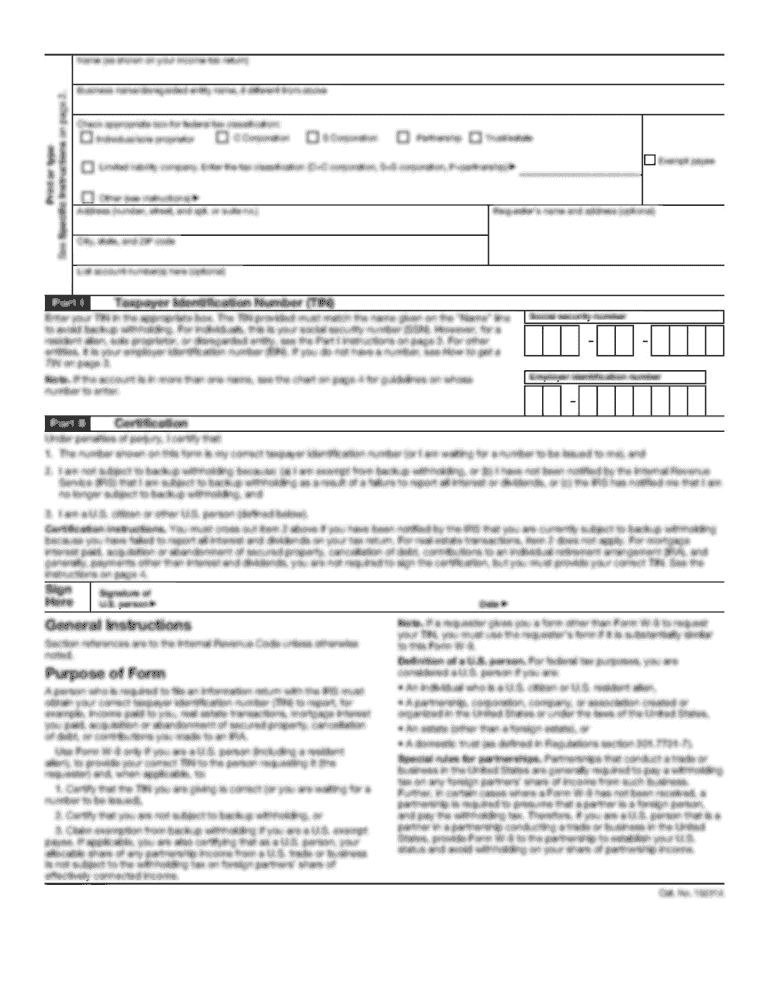
Fill Out Personal Details: Enter your full name, address, and taxpayer identification number at the top of the form. Ensure these details match the records with your relevant tax authority.
-
Estimate Tax Liability: Calculate an estimate of your total tax liability for the year. Include all sources of income and applicable deductions to provide a precise estimate.
-
Specify Payment Amounts: If you owe taxes, specify the amount that will be paid with the extension application. Timely payment is necessary to minimize interest and potential penalties on unpaid taxes.
-
Submit the Form: Choose your preferred submission method—online, mail, or in-person—depending on personal convenience and the options provided by the tax authority.
Include practical examples for these steps, such as scenarios where individuals may gather income statements or use extensions to ensure complex deductions are correctly applied.
How to Obtain the Application for Filing Extension
To acquire the application for filing extension, you can:
- Visit the Official IRS Website: The form is widely accessible through the Internal Revenue Service's official website, under tax forms. It can be downloaded in a ready-to-fill PDF format.
- Request Physical Copies via Mail: For those who prefer paper versions, the IRS offers a mail request service where physical copies can be sent directly to your mailing address.
- Speak to a Tax Professional: CPAs or other tax experts often provide these forms and can also guide you through the completion process. This is useful for individuals unfamiliar with tax filing processes.
- Check with Financial Software Providers: Many tax preparation software platforms like TurboTax or QuickBooks offer digital access to these forms, integrating them with your existing financial data for seamless handling.
Important Terms Related to Application for Filing Extension
Understanding the following terms can help when completing the form:
- Tax Liability: The total amount of tax that an individual or corporation is legally responsible for.
- Estimated Payment: A prepayment made to cover expected tax liabilities, reducing interest and late penalty risks.
- E-Filing: submitting your tax forms online through IRS-approved software or the IRS website.
- Postmark Date: The date stamped on the mail indicating when it was sent. For tax purposes, this confirms timely submission.
These terms ensure clarity and accuracy when preparing your extension application, avoiding common pitfalls associated with misinterpretation.
Who Typically Uses the Application for Filing Extension
This application is predominantly used by:
- Self-Employed Individuals: Those with more intricate financial situations, such as multiple income streams or complex deductions.
- Small Business Owners: Due to detailed bookkeeping requirements, they often need extra time to ensure accurate reporting.
- Taxpayers Awaiting Information: Those yet to receive essential financial documents required for filing.
- Students or Retirees: Individuals in transition phases may require more time to understand their tax obligations.
Understanding these use cases helps in identifying if and when to apply for an extension based on your financial scenario.


Filing Deadlines and Important Dates
Key dates for filing extensions include:
- Regular Tax Filing Deadline: Typically April 15, unless it falls on a weekend or holiday, in which case it is the following business day.
- Extension Request Deadline: Must be submitted by the original filing deadline.
- Extended Filing Deadline: Usually October 15. This final deadline is only applicable if the extension is granted.
Awareness of these dates ensures you avoid penalties and have sufficient time to prepare comprehensive and accurate tax submissions.
Penalties for Non-Compliance
Failing to submit an application for filing extension or inaccurately completing it can result in penalties such as:
- Late Filing Penalties: Applied if returns are filed after the deadline without an extension.
- Interest on Unpaid Taxes: Accumulates from the original filing deadline.
- Late Payment Penalties: Up to a percentage of the total taxes owed for each month of delay post due date.
Understanding potential repercussions encourages timely and accurate completion of tax responsibilities.
Legal Use of the Application for Filing Extension
The legal framework governing the use of this application ensures:
- Compliance with IRS Regulations: Adhering to established guidelines to prevent issues during tax filing.
- Avoidance of Fraudulent Practices: Using the extension ethically to ensure genuine need and accurate tax reporting.
- Rights and Obligations: Understanding how extensions impact tax rights and obligations, such as payment of interest, even within the extension period.
These legal considerations help taxpayers leverage the form responsibly, aligning with IRS expectations while benefiting from additional preparation time.
Tailoring your approach to these sections provides comprehensive insights into the form's utility, encouraging informed decisions around tax filing extensions.


