






Definition and Meaning of the Ambulance Patient Report Form
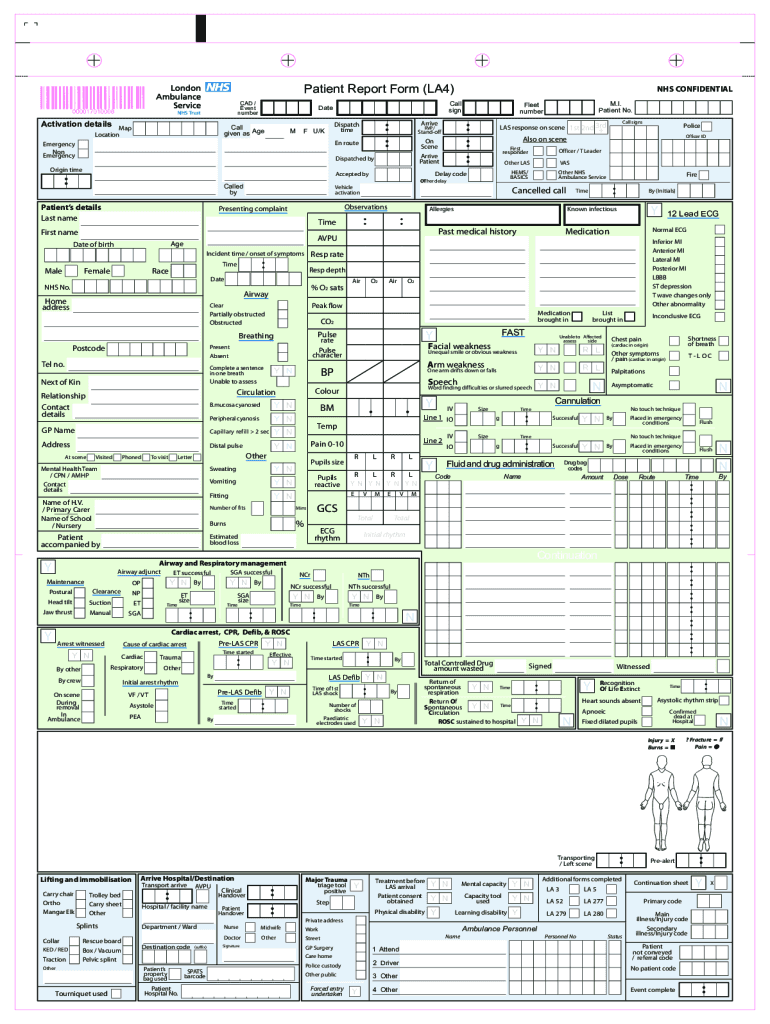
The ambulance patient report form (PRF) is a crucial document used by emergency medical services (EMS) and ambulance services to provide a comprehensive record of patient information during transport to a medical facility. This form is designed to document essential details about the patient’s condition, treatment administered, and the circumstances surrounding the medical emergency. It serves multiple functions, including clinical documentation, legal compliance, and continuity of care.
Key Features
- Patient Identification: Includes demographic information such as name, age, gender, and contact details.
- Clinical Observations: Records vital signs, symptoms reported, and initial assessments by EMS personnel.
- Treatment Details: Describes the interventions performed, medications administered, and any procedures conducted en route.
- Legal Documentation: Ensures adherence to regulations concerning patient confidentiality, informed consent, and data protection laws.
The form can vary in format across jurisdictions or agencies but generally includes similar categories to ensure accuracy and consistency in patient care and regulatory compliance.
How to Use the Ambulance Patient Report Form
Utilizing the ambulance patient report form effectively enhances the documentation process for medical responders. The following steps outline how to use the form:
Step-by-Step Instructions
- Preparation: Ensure the form is readily available either in hard copy or in electronic format for easy access during emergency responses. Familiarize yourself with the form's layout and sections.
- Initial Patient Interaction: As soon as EMS personnel arrive on the scene, begin filling out the form based on direct observations and patient interviews. Document pertinent patient history and any information provided by witnesses.
- Capture Vital Signs and Symptoms: Accurately record vital signs such as blood pressure, heart rate, and temperature. Note any symptoms described by the patient or observed by responders.
- Detail Treatment Administered: Write down any treatments provided during transport, including medications, interventions, and responses to treatment.
- Post-Transport Completion: After the patient is delivered to the healthcare facility, finalize the report. Ensure that all fields are completed thoroughly to maintain a clear record for future medical staff.
By following these steps, the ambulance patient report form can serve its intended purpose, facilitating effective patient care and aiding legal documentation.
Key Elements of the Ambulance Patient Report Form
The ambulance patient report form comprises several critical elements essential for efficient record-keeping and patient management:
Comprehensive Components
- Patient Information: This section includes the patient's name, date of birth, address, and insurance details, if applicable.
- Incident Details: Records specifics of the incident, such as location, time, and type of emergency (e.g., trauma, medical).
- Assessment Notes: Document any assessments conducted, including neurological evaluations and physical examinations.
- Treatment Protocol: Detailed accounts of medical procedures, medications, and interventions administered during transit.
- Transport Logistics: Information about the ambulance service used, response time, and any transfers to other medical facilities.
These components ensure a holistic record that supports continuity of care and fulfills both ethical and legal obligations.
Examples of Using the Ambulance Patient Report Form
Applying real-world scenarios can elucidate the importance of the ambulance patient report form and how its structured use enhances the quality of emergency medical care:
Practical Case Scenarios
- Trauma Incident: In the event of a motor vehicle accident, the EMS team would document the patient's injuries, vital signs pre- and post-treatment, and details of any immediate life-saving measures taken. This comprehensive record assists receiving hospitals in providing proper care.
- Medical Emergency: During a cardiac event, the report form captures the patient's symptoms, actions taken by paramedics, such as CPR or defibrillation, and changes in vital signs throughout transport. Such documentation is vital for the hospital staff to follow up on interventions.
- Pediatric Patients: For a child experiencing respiratory distress, specific details regarding the child’s growth and development, along with medications administered, must be clearly documented to ensure appropriate treatment upon arrival at the pediatric unit.
These examples demonstrate how effective documentation through the ambulance patient report form contributes to improved patient outcomes and ensures continuity of care.
Legal Use of the Ambulance Patient Report Form
The ambulance patient report form also has significant legal implications. Its proper use is paramount for compliance with state and federal regulations.
Legal Considerations
- Confidentiality: The form must adhere to HIPAA regulations, ensuring that patient information is secured and shared only with authorized personnel.
- Informed Consent: Documenting consent for treatment is vital, especially in emergencies where patients may not be able to provide verbal consent.
- Documentation for Litigation: In cases of disputes, the PRF serves as a legal document that can be used to support claims or defend against allegations related to patient care.
Understanding these legal aspects is fundamental for EMS providers to protect themselves and their patients while ensuring compliance with legal standards.