







Definition & Meaning
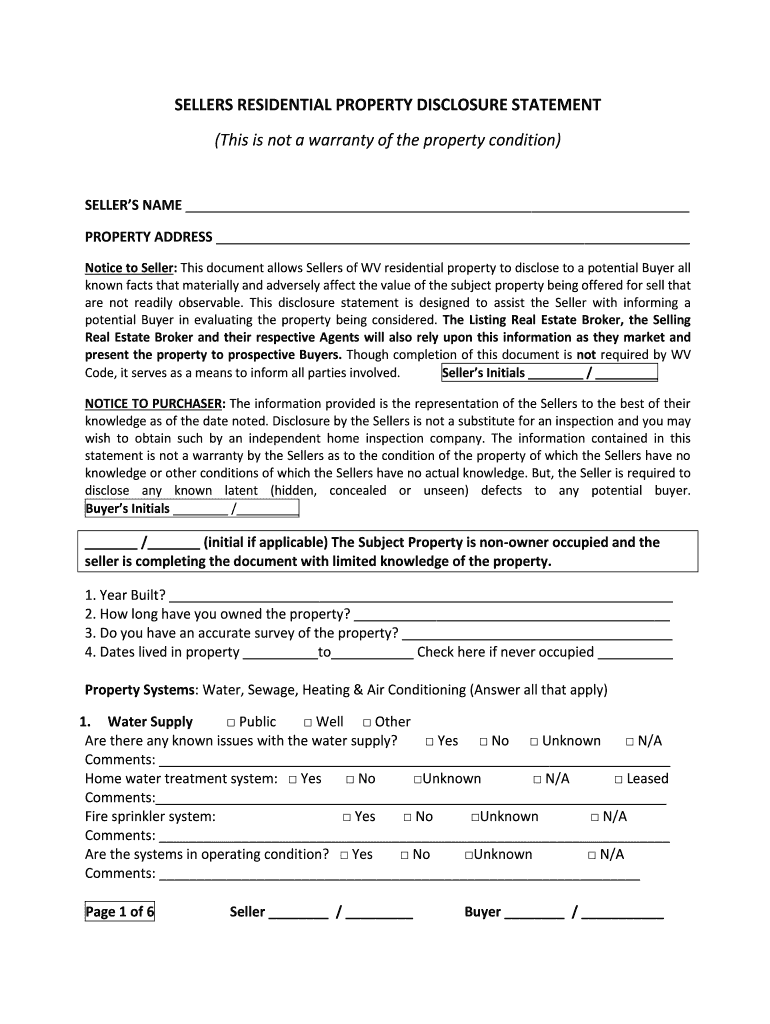
The "Seller's Disclosure Of Real Property Condition Report" is a legal document required during the sale of a property. It aims to inform potential buyers of any known defects or issues concerning the property. The disclosure is a comprehensive statement about the condition of the property and includes details on systems such as plumbing, electrical, heating, and any known structural defects. It is essential for sellers to fill out this report accurately to prevent future legal complications. This report emphasizes transparency, allowing buyers to make informed decisions based on the property's disclosed conditions.
Key Elements of the Seller's Disclosure
The report typically includes several sections detailing aspects of the property:
- Property Systems: Includes information about plumbing, electrical, heating, and cooling systems.
- Structural Features: Covers the condition of major components such as the roof, walls, and foundation.
- Environmental Aspects: Addresses the presence of hazards like asbestos, lead paint, or radon.
- Legal Information: Discloses zoning laws, property boundary disputes, and other legal restrictions.
Each section must be thoroughly completed, as omitting information could lead to liability for the seller. Sellers must answer all questions to the best of their knowledge and disclose any repairs or changes made to the property.
Steps to Complete the Report
Completing the Seller's Disclosure requires careful attention to detail. Here are the recommended steps:
- Review the Form: Begin by thoroughly reading the entire document to understand the information required.
- Conduct a Property Inspection: Walk through the property to identify any issues. Consider hiring a professional inspector for a comprehensive evaluation.
- Gather Documentation: Collect maintenance records, warranties, and invoices for any repairs or upgrades made to the property.
- Complete Each Section: Fill out each part of the form honestly and accurately. Use "unknown" only if you truly do not know the answer.
- Review and Revise: Double-check all entries for accuracy and completeness. Make necessary revisions before finalizing the form.
Importance of the Disclosure Report
The Seller's Disclosure Report plays a crucial role in real estate transactions for several reasons:
- Transparency: Provides a full view of the property’s condition, fostering trust between buyers and sellers.
- Legal Protection: Helps shield sellers from future claims of nondisclosure. Accurate information can prevent legal disputes.
- Buyer Assurance: Offers buyers peace of mind and the ability to make informed purchasing decisions.
Failing to provide a complete and honest disclosure can result in legal consequences or void a property sale. Therefore, it is in every seller’s best interest to provide a thorough and truthful account of the property's condition.
Legal Use of the Report
In the United States, most states require a Seller's Disclosure form. The legal framework around these forms ensures that sellers provide essential information before finalizing a sale. This requirement is typically governed by state law, and differences exist in what must be disclosed. For instance, some states may mandate disclosures about natural hazards, while others may focus more on structural issues. It is essential for sellers to familiarize themselves with their state's requirements to ensure compliance and avoid potential penalties.
State-Specific Rules
While the Seller's Disclosure of Real Property Condition Report is used nationwide, each state may have additional requirements or variations:
- California: Requires disclosure of natural hazards, including earthquake faults and wildfires.
- Texas: Requires a more detailed review of past flooding, insurance claims, and history of termites.
- West Virginia: Primarily focuses on structural integrity and compliance with local zoning laws.
Understanding state-specific requirements is crucial for accurately completing the report and ensuring that the property sale process adheres to regional laws.
Penalties for Non-Compliance
There are significant consequences for failing to accurately disclose property conditions:
- Legal Repercussions: Sellers can be sued for misrepresentation or concealment of facts. Buyers may seek damages to cover repair costs.
- Transaction Voiding: If critical details are omitted, a sale can be nullified, leading to financial and reputational damage.
- Fines and Liabilities: States impose fines on sellers who fail to comply with disclosure laws, adding unexpected financial burdens.
Ensuring accurate and comprehensive disclosures is vital to avoiding these penalties and maintaining a smooth transaction process.
Examples of Using the Report
Several real-world scenarios highlight the importance of the Sellers Disclosure:
- Preventing Legal Disputes: A seller disclosed a past roof leak, including documentation of repairs, preventing potential legal action later when the buyer discovered the fix.
- Transparency in Sale: Reporting on termite damage allowed a buyer to negotiate a lower price or request repairs, ensuring a fair transaction.
- Safeguarding Buyer Interest: A seller familiar with state-mandated hurricane zone disclosures protected the buyer’s interest by revealing known risks.
These examples demonstrate how thorough disclosures not only protect sellers but also facilitate trust and transparency with buyers.
Digital vs. Paper Version
In today’s digital age, the Seller's Disclosure can be filled out in paper or digital format. The digital version offers several advantages:
- Efficiency: Digital forms streamline the process, with built-in checks to ensure all fields are completed.
- Access and Storage: Digital forms can easily be stored, retrieved, and shared, reducing potential for lost paperwork.
- Integration with Software: Many real estate software platforms allow sellers to complete and submit these forms electronically, saving time and reducing errors.
Choosing a digital format can improve the efficiency and accuracy of completing the Seller's Disclosure, especially for those familiar with technology-advanced environments.




