





Definition & Meaning
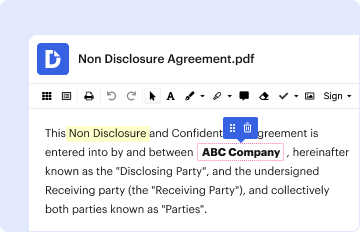
Understanding the concept and practical use of a form online is essential for efficiently managing document workflows. An online form is a digital version of a paper form that allows users to input, modify, and submit information electronically. This form is particularly beneficial as it can be customized to meet specific requirements such as data fields, branching logic, and validation rules, thereby enhancing data accuracy and completeness. Online forms eliminate the need for physical paperwork, facilitate quicker processing times, and provide a convenient way for users to engage with various administrative processes, whether for personal, legal, educational, or business purposes.
How to Use the Form Online
Using an online form involves a few straightforward steps. First, you need to access the form through a web-based platform like DocHub. After locating the desired form, the next step is to understand the structure and type of information required. Many platforms offer pre-filling capabilities, which speed up the process if your details remain consistent across different forms. Once you have reviewed and filled in all necessary fields, the next step is to submit the form by hitting the appropriate button, typically labeled ‘Submit,’ ‘Send,’ or similar. It’s often recommended to save or print a copy of the completed form for your records.
How to Obtain the Form Online
To obtain a specific form online, users typically navigate to the website of the institution or service providing the form. For example, government websites often host tax forms, while business or educational institutions might offer application forms directly on their portals. Alternatively, aggregators and document management platforms like DocHub provide access to a variety of forms in one place. Users can search for the form they need by name or category and download or directly fill it within the platform. Some forms may require account creation or verification before access, so be prepared with necessary details.
Steps to Complete the Form Online
- Access the Form: Begin by accessing the platform hosting the form, such as government portals or document management systems like DocHub.
- Review Instructions: Carefully read any instructions or guidelines provided on the form to ensure complete understanding.
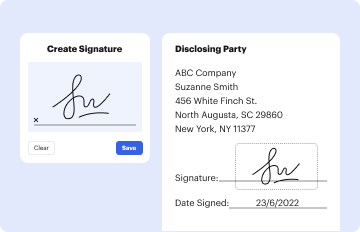
- Fill Out the Form: Input your information accurately into the form fields. Use dropdowns, text fields, checkboxes, or signature fields as required.
- Verify Information: Double-check all entered information to prevent mistakes that could delay processing.
- Submit the Form: Once finalized, submit the form electronically through the platform's submission feature.
Each step not only deals with practical input but also ensures that any potential errors in information are minimized, thus fostering a smoother workflow.
Key Elements of the Form Online
Online forms generally contain several key elements that enhance their utility and functionality. Common elements include:
- Text Fields: For entering information such as names, addresses, or personalized responses.
- Checkboxes and Radio Buttons: Allow users to select one or multiple options from a predefined list.
- Dropdown Menus: Provide a list of options where users can select one option.
- Signature Fields: Facilitate collecting legally binding electronic signatures.
- Validation Rules: Ensure that the data entered is in the correct format.
Understanding these elements helps users navigate and fill out online forms precisely and efficiently.
Important Terms Related to Form Online
When dealing with online forms, several important terms may arise:
- Digital Signature: A secure, encrypted digital mark that authenticates a document.
- Validation: The process of ensuring that user input is complete and accurate.
- Responsive Design: Form design that adapts to different devices (desktop, tablet, mobile) for ease of use.
- User Interface (UI): How the form is visually presented to and interacted with by the user.
Effectively understanding these terms aids in the smoother use of online forms.
State-Specific Rules for the Form Online
Many online forms, especially those governing legal or regulatory compliance, may contain provisions specific to individual U.S. states. For instance, state-specific rules may dictate differences in how information is submitted or what documentation is required for validation. Forms related to employment, taxation, environmental permits, or healthcare can vary significantly between states due to diverse legal postures on certain issues. Thus, it's crucial for users to be aware of and understand these state-specific regulations to ensure compliance and authenticity of their submissions.
Legal Use of the Form Online
The legal permissibility of online forms varies depending on the context in which they're used. For instance, electronic forms can be utilized for legal agreements, such as contracts that meet the ESIGN Act requirements for digital signatures. However, the purpose of the form — whether for business, legal documentation, or official applications — often dictates specific legal parameters. It's essential that forms are completed accurately and in compliance with stipulated legal guidelines to avoid issues like void contracts or rejected applications. Users should ensure they are using updated and authorized online forms to maintain legal validity.
Examples of Using the Form Online
There are several practical examples where online forms are used to streamline workflows. For instance, schools use online forms for student registrations, simplifying data collection and processing. Government agencies might require online submission of tax forms, facilitating faster and more accurate filing. Businesses often utilize electronic forms for client on-boarding, ensuring all necessary information is collected without requiring clients to physically visit offices. These examples illustrate the broad applicability and efficiency that online forms bring to various sectors and scenarios.