Form 13424-B (Rev. 4-2012). Low Income Taxpayer Clinic (LITC) Interim and Year-End Report Controversy Issues - irs-2026

Get Form
Form 13424-B (Rev. 4-2012). Low Income Taxpayer Clinic (LITC) Interim and Year-End Report Controversy Issues - irs Preview on Page 1

Here's how it works

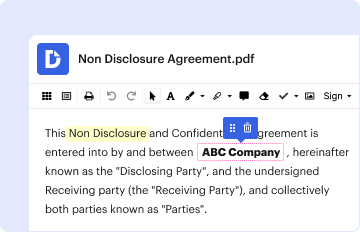
01. Edit your form online
Type text, add images, blackout confidential details, add comments, highlights and more.

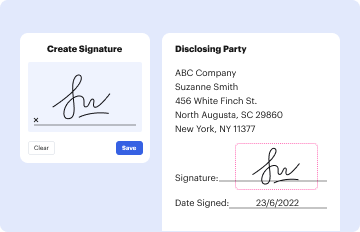
02. Sign it in a few clicks
Draw your signature, type it, upload its image, or use your mobile device as a signature pad.

03. Share your form with others
Send it via email, link, or fax. You can also download it, export it or print it out.

How to use or fill out Form 13424-B (Rev. 4-2012). Low Income Taxpayer Clinic (LITC) Interim and Year-End Report Controversy Issues

Form edit decoration
9.5
Ease of Setup
DocHub User Ratings on G2
9.0
Ease of Use
DocHub User Ratings on G2
  1. Click ‘Get Form’ to open it in the editor.
  2. Begin by entering the name of your clinic and the reporting period at the top of the form. Ensure you select either 'Interim Report' or 'Year-End Report' based on your reporting needs.
  3. Proceed to report the controversy issues worked by filling in the appropriate lines for income, deduction, credit, status, tax/refund/statute of limitations, penalty, and collection issues. For each issue type, enter the number of cases worked during the reporting period.
  4. Double-check all entries for accuracy before submitting. Make sure that each issue is counted only once per case as per the guidelines provided.

Start using our platform today to fill out Form 13424-B easily and for free!

See more Form 13424-B (Rev. 4-2012). Low Income Taxpayer Clinic (LITC) Interim and Year-End Report Controversy Issues - irs versions

We've got more versions of the Form 13424-B (Rev. 4-2012). Low Income Taxpayer Clinic (LITC) Interim and Year-End Report Controversy Issues - irs form. Select the right Form 13424-B (Rev. 4-2012). Low Income Taxpayer Clinic (LITC) Interim and Year-End Report Controversy Issues - irs version from the list and start editing it straight away!
Versions Form popularity Fillable & printable
2016 4.4 Satisfied (58 Votes)
2012 4.8 Satisfied (160 Votes)
be ready to get more

Complete this form in 5 minutes or less

Get form

Got questions?

We have answers to the most popular questions from our customers. If you can't find an answer to your question, please contact us.
Contact us
6 years - If you dont report income that you should have reported, and its more than 25% of the gross income shown on the return, or its attributable to foreign financial assets and is more than $5,000, the time to assess tax is 6 years from the date you filed the return.
Generally, the IRS can include returns filed within the last three years in an audit. If we identify a substantial error, we may add additional years. We usually dont go back more than the last six years.
If you qualify for our help, youll be assigned to one advocate who will be with you at every turn. And our service is always free.
In order to qualify for assistance from an LITC, generally a taxpayers income must be below a certain threshold, and the amount in dispute with the IRS is usually less than $50,000. Although LITCs receive partial funding from the IRS, LITCs, their employees, and their volunteers are completely independent of the IRS.
The IRS generally has 10 years from the date your tax was assessed to collect the tax and any associated penalties and interest from you. This time period is called the Collection Statute Expiration Date (CSED).

Security and compliance

At DocHub, your data security is our priority. We follow HIPAA, SOC2, GDPR, and other standards, so you can work on your documents with confidence.

Learn more
ccpa2
pci-dss
gdpr-compliance
hipaa
soc-compliance

People also ask

Low Income Taxpayer Clinics (LITC) assist low income individuals who have a tax dispute with the IRS, and provide education and outdocHub to individuals who speak English as a second language (ESL).
At its core, the six-year compliance rule is a policy the IRS uses when working with taxpayers who havent filed in a while. It allows them to get back into compliance by filing just the last six years of tax returns even if theyve missed more than six years of filings.

Related links