




Definition & Meaning
An intervention log template is a structured tool used by educators to systematically record and monitor the implementation of specific intervention strategies for students. It serves as a detailed record that tracks a student’s progress over a designated period, typically five weeks, and includes critical information about the interventions applied, the skills targeted, and observable outcomes. This document not only aids in evaluating the effectiveness of instructional strategies but also ensures accountability and continuous communication among educators, administrators, and parents.
Intervention logs are vital in educational settings as they provide a comprehensive view of how well students respond to targeted teaching methods. By documenting interventions, educators can personalize instruction to better meet the individual needs of students. This also allows for transparent reporting and data-driven decision-making in educational planning.
How to Use the Intervention Log Template
Using the intervention log template effectively requires a systematic approach. Here’s a step-by-step guide:
-
Initiating the Log: Begin by entering the basic details, such as the student's name and the period of intervention. Ensure the log is dated to track the progress chronologically.
-
Recording Interventions: Specify the intervention strategies used, providing details on what each strategy involves. This could include specific instructional techniques or resources utilized.
-
Skill Areas Addressed: Identify and document the skill areas targeted by each intervention. This allows teachers to focus on the most critical developmental areas for the student.
-
Observations and Notes: After each intervention session, make detailed observations about the student’s engagement and response. This should include qualitative data that aids in assessing progress or highlighting concerns.
-
Progress Monitoring Scores: Include quantitative measures, such as test scores or assessment data, to evaluate progress objectively. This section provides essential metrics for evaluating the intervention's success.
-
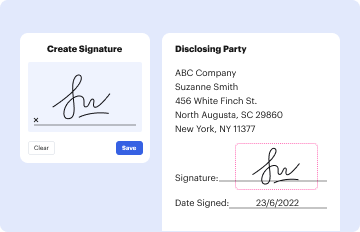
Teacher's Signature for Verification: Conclude each entry with the teacher’s signature, verifying the accuracy of the information recorded and confirming that the intervention was implemented as detailed.
Key Elements of the Intervention Log Template
An effective intervention log template comprises several key elements:
- Student Information: Basic details about the student are needed to contextualize the interventions.
- Intervention Details: This includes a description of the specific methods or activities used.
- Skill Areas: Identifies the focus of the intervention, aiding in targeted teaching.
- Observational Notes: Qualitative insights that provide context and detail about the student’s behavior or challenges.
- Progress Data: Quantitative results showing improvement or areas needing further attention.
- Verification: The teacher's signature certifying the authenticity of the data.
These components ensure the log is a complete, actionable resource in special or general education settings.
Steps to Complete the Intervention Log Template
- Gather Essential Information: Start with the student’s personal and academic data.
- Plan and Implement Interventions: Clearly outline the strategies used and tailor them according to the student’s learning needs.
- Collect and Document Data: Consistently record observations and scores after each intervention session.
- Analyze and Reflect: Regularly review the log to determine the effectiveness of interventions and make necessary adjustments.
- Finalize and Review with Peers: Ensure the log is thoroughly completed and reviewed with colleagues or supervisors for collaborative input and validation.
These steps can facilitate effective tracking of educational interventions, promoting enhanced learning outcomes.
Examples of Using the Intervention Log Template
Educators often utilize intervention log templates in various scenarios, such as:
- Reading Interventions: Targeting students struggling with reading fluency or comprehension using specialized programs.
- Math Skill Development: Implementing strategies to improve foundational math skills, such as number sense or problem-solving techniques.
- Behavioral Interventions: Addressing behavioral challenges through positive reinforcement or behavior modification plans.
Each example underscores the diversity of applications for an intervention log, highlighting its role in specialized education settings.
Who Typically Uses the Intervention Log Template
The primary users of intervention log templates include:
- Special Education Teachers: These educators often employ the template to track interventions for students with individualized education plans (IEPs).
- General Education Teachers: Intervention logs are used to support students needing additional help to reach grade-level expectations.
- School Psychologists and Counselors: They may utilize logs to provide targeted behavioral interventions.
- Administrative Staff: Used for oversight and ensuring that interventions align with school-wide educational goals.
Each of these professionals relies on the log for effective communication and planning in educational settings.

Important Terms Related to the Intervention Log Template
Familiarity with key terms enhances the utility of the intervention log:
- Intervention Strategy: A systematic approach designed to improve student outcomes.
- Progress Monitoring: Regular assessment of a student’s progress towards goals set by the intervention strategy.
- Differentiated Instruction: Tailoring educational experiences to meet individual learner needs.
- Response to Intervention (RTI): A multi-tiered approach to early identification and support for students with learning and behavior needs.
Understanding these terms can help in navigating the intervention log more effectively within academic environments.
Legal Use of the Intervention Log Template
Legal considerations of an intervention log include:
- Data Privacy Compliance: Ensuring all data recorded follows regulations such as FERPA, protecting student confidentiality.
- Record Keeping: Maintaining accurate and complete logs to defend educational decisions and interventions.
- Accountability and Documentation: Ensuring logs are accountable records that can be shared with stakeholders like parents or educational boards.
Adhering to these legal standards is crucial for responsibly managing student information and intervention records in educational settings.