Business axes for Hotels and R - Kansas Department of ... 2026

Get Form
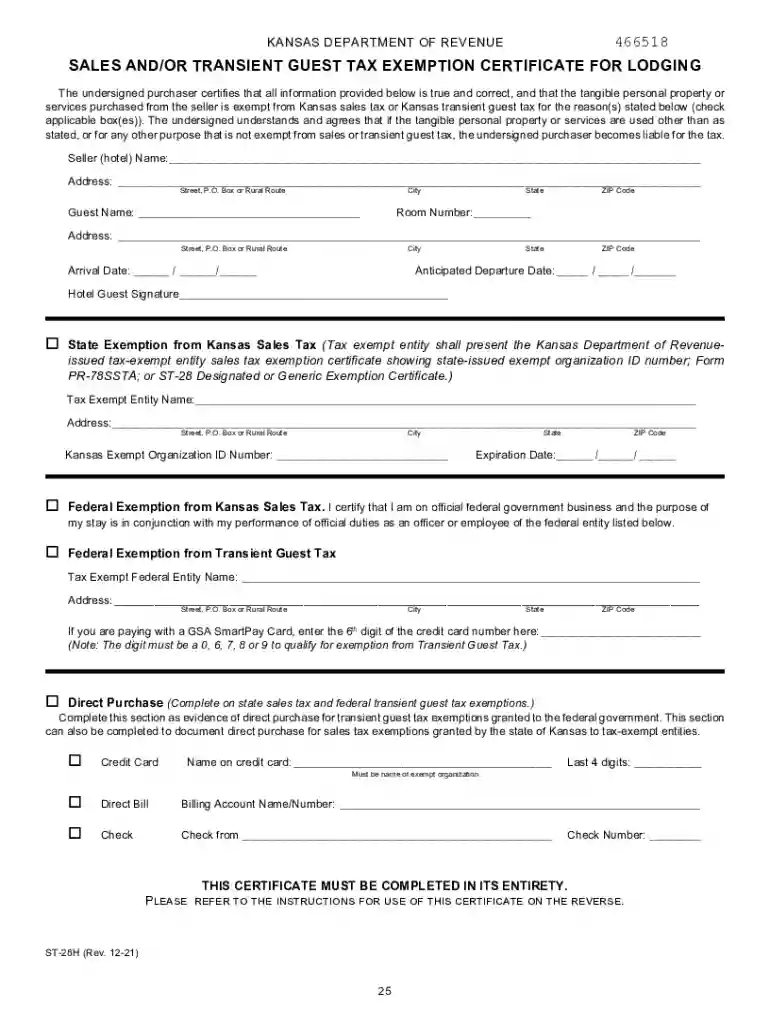
Business axes for Hotels and R - Kansas Department of ... Preview on Page 1

Here's how it works

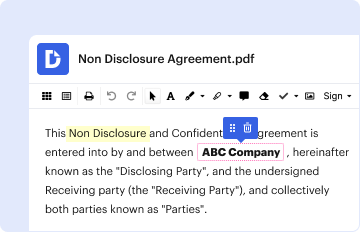
01. Edit your form online
Type text, add images, blackout confidential details, add comments, highlights and more.

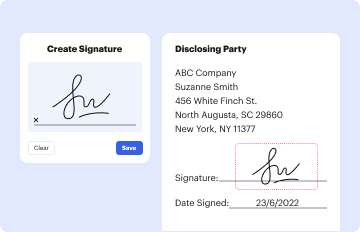
02. Sign it in a few clicks
Draw your signature, type it, upload its image, or use your mobile device as a signature pad.

03. Share your form with others
Send it via email, link, or fax. You can also download it, export it or print it out.

Definition & Purpose of Business Taxes for Hotels and Restaurants

Business taxes for hotels and restaurants in Kansas encompass various levies such as the Kansas Retailers' Sales Tax, Transient Guest Tax, and Liquor Drink Tax. These taxes are mandatory for hospitality operators and play a crucial role in maintaining fiscal compliance. Understanding these taxes helps operators avoid errors and legal complications, ensuring that they fulfill their obligations.

Tax Components

  • Kansas Retailers' Sales Tax: Applies to all sales of tangible personal property and certain services, including meals and drinks.
  • Transient Guest Tax: Specific to hotel operators, this tax is levied on guests staying in transient accommodations.
  • Liquor Drink Tax: Imposed on the sales of alcoholic beverages, this tax requires careful bookkeeping to ensure proper remittance.

Importance

Proper administration of these taxes ensures not only compliance with Kansas laws but also supports infrastructure and services funded by these levies.

How to Use the Business Taxes Form

Businesses in the hotel and restaurant industry must use the specific Kansas state forms dedicated to reporting and remitting their collected taxes.

Steps Involved

  1. Identify Relevant Taxes: Determine which taxes apply to your operations—consider services provided and items sold.
  2. Monthly/Quarterly Reporting: Depending on the tax type, reconcile your sales records either monthly or quarterly to calculate the amount owed.
  3. Form Completion: Fill out the respective sections of the tax forms with accurate figures reflecting collected amounts.
  4. Submission: Submit the completed forms along with any payment due by the designated deadlines.

Best Practices

  • Double-check calculations for accuracy.
  • Maintain organized records for possible audits.
  • Utilize reminders to ensure timely submissions.

Obtaining the Business Taxes Form

Acquiring the necessary forms is straightforward through the Kansas Department of Revenue, which provides downloadable versions on its website.

Process

  • Visit the Kansas Department of Revenue Website: Navigate to the forms and publications section where downloadable tax forms are available.
  • Contact Local Revenue Office: For paper versions, requests can be made through the office or by mail.
  • Check for Updates: Ensure you are using the latest version of the form by verifying with recent updates on the official website.

Steps to Complete the Business Taxes Form

Filling out the form requires attention to detail to accurately report taxable sales and the taxes collected.

Detailed Procedure

  1. Gather Necessary Information: Consolidate sales data and tax receipts for the reporting period.
  2. Complete Tax Calculation Sections: Enter details for each relevant tax category.
  3. Signature Verification: Ensure the form is signed by an authorized person from the company.
  4. Double-Check for Errors: Review all entries for numerical and clerical accuracy.

Submitting the Form

Forms can be submitted online, mailed, or delivered in person depending on preferences and convenience.

Who Typically Uses These Tax Forms

Primarily, hotel and restaurant owners or operators within Kansas are mandated to use these forms for their tax reporting requirements.


decoration image ratings of Dochub

Users Include

  • Independent Restaurants: Both small, single-location eateries to larger chains.
  • Hotel Operators: Including motels, inns, and bed-and-breakfast establishments.
  • Bars and Lounges: Establishments that sell alcoholic beverages.

Beneficiaries

Ensuring compliance benefits businesses by avoiding fines and facilitates smooth operations within the stringent regulatory environment.

Important Terms Related to Business Taxes

Understanding certain terminologies is vital for accurate form completion and tax compliance.

Key Terms

  • Exempt Sales: Transactions not subject to taxation, usually due to specific exemptions.
  • Gross Receipts: Total revenue before subtracting any expenses or taxes.
  • Resale Certificates: Documentation that confirms purchases made for resale, exempting them from taxation.

Application in Context

Having a clear grasp of these terms aids operators in filling out tax forms correctly and understanding their financial and regulatory obligations.

State-Specific Rules for Business Taxes in Kansas

Kansas has unique rules and mandates concerning business taxes for the hospitality sector which differ from other states.

Specificity

  • Local Tax Variances: Certain municipalities may impose additional taxes that need reporting separately.
  • Unique Exemptions: Kansas offers distinct exemptions on certain sales applicable to hotels and restaurants which should be extensively understood.

Compliance

Comprehending these regulations helps in aligning business practices with state requirements, thus avoiding costly financial penalties.

Examples of Business Tax Form Use Cases

Illustrative examples can offer practical insights into how these forms are applied in real-world settings by Kansas hospitality businesses.

Scenarios

  • Hotel Chains: Using forms to meticulously report the Transient Guest Tax collected from guests.
  • Restaurants: Reporting combined sales taxes from dine-in and takeaway service, factoring in any exempt sales.
  • Events: Temporary liquor sales where Liquor Drink Tax must be accurately tracked and reported post-event.

Practical Lessons

These cases highlight best practices and illustrate common pitfalls encountered by businesses, emphasizing the importance of accurate record-keeping and thorough understanding of applicable taxes.

By following these structured guidelines, businesses can navigate the complexities associated with business taxes for hotels and restaurants in Kansas, ensuring compliance and operational efficiency.

See more Business axes for Hotels and R - Kansas Department of ... versions

We've got more versions of the Business axes for Hotels and R - Kansas Department of ... form. Select the right Business axes for Hotels and R - Kansas Department of ... version from the list and start editing it straight away!
Versions Form popularity Fillable & printable
2023 4.9 Satisfied (38 Votes)
2022 4.8 Satisfied (141 Votes)
2021 4.3 Satisfied (253 Votes)
2019 4 Satisfied (52 Votes)
2014 4 Satisfied (20 Votes)
be ready to get more

Complete this form in 5 minutes or less

Get form

Got questions?

We have answers to the most popular questions from our customers. If you can't find an answer to your question, please contact us.
Contact us
Specific Statewide Taxes on Lodging - By State StateSales TaxTotal State Tax Iowa N/A 5.0% Kansas 6.5% 6.5% Kentucky 6.0% 7.0% Louisiana 4.45% 4.45%49 more rows
For instance, California and New York, two of the most visited states in the US, dont impose a statewide hotel tax. Meanwhile, states like Hawaii, which rely heavily on tourism and have higher infrastructure costs due to their location, often apply higher rates.
Property owners and managers are required to pay lodging tax for renting out a room or property in certain states or localities. In some regions, lodging tax may also be known by another name such as: stay tax, occupancy tax, room tax, sales tax, tourist tax, or hotel tax.
State-by-state sales tax rates SateState rateCombined rate range Arizona 5.60% 5.60% 13.43% Arkansas 6.50% 6.50% 12.625% California 7.25% 7.25% 16.75% Colorado 2.90% 2.90% 11.20%47 more rows Feb 12, 2025
Depending on where your hotel is located and the local regulations in place, the revenue generated from hotel taxes may be used to improve infrastructure, support tourism, and fund other community projects. While most hotels will also need to charge sales tax, occupancy tax is another fee added to a guests final bill.

Security and compliance

At DocHub, your data security is our priority. We follow HIPAA, SOC2, GDPR, and other standards, so you can work on your documents with confidence.

Learn more
ccpa2
pci-dss
gdpr-compliance
hipaa
soc-compliance
be ready to get more

Complete this form in 5 minutes or less

Get form

People also ask

The city of Overland Park has a transient guest tax rate set at 9%. Visit Overland Park said it generated more than $11.9 million last year. Additionally, Visit Overland Park said the city is expecting a 10% increase in generated revenue through 2025 without changing its current rate.
For corporations whose business income is solely within state boundaries, the tax is 4% of net income.

Related links