




01. Edit your form online
Type text, add images, blackout confidential details, add comments, highlights and more.

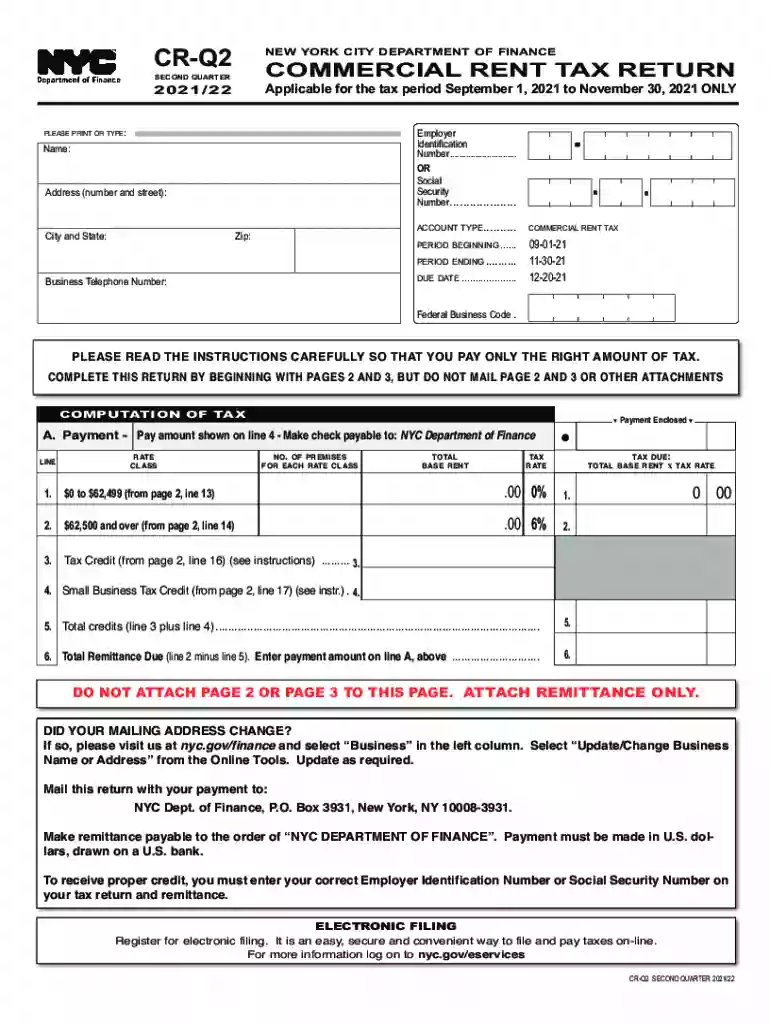
Type text, add images, blackout confidential details, add comments, highlights and more.

Draw your signature, type it, upload its image, or use your mobile device as a signature pad.

Send it via email, link, or fax. You can also download it, export it or print it out.
Calculating tax involves determining the amount of tax owed by an individual or business to a governmental authority. It is a crucial element of financial responsibility, ensuring compliance with tax laws and regulations. The process typically involves assessing taxable income, applying relevant deductions and credits, and finally, using appropriate tax rates to ascertain the total tax liability. Understanding the nuances of tax calculation is essential for accurate financial reporting and avoiding potential legal issues.
Gather Necessary Information: Start by collecting all relevant financial documents, such as income statements, receipts for deductible expenses, and forms like W-2s and 1099s.
Determine Filing Status: Choose a filing status (e.g., single, married filing jointly, head of household) that best fits your situation, as it affects tax rates and eligibility for certain deductions.
Calculate Gross Income: Sum up all sources of income, including salaries, dividends, business earnings, and other taxable revenue.
Apply Adjustments and Deductions: Identify applicable deductions or adjustments to income, such as student loan interest or IRA contributions, to lower your taxable income.
Determine Taxable Income: Subtract adjustments and deductions from gross income to get your taxable income.
Use Tax Brackets: Apply your taxable income to the current tax brackets to compute the tax owed. Consider any credits or additional taxes that might apply.
Complete Tax Form: Fill out the appropriate tax form, such as the 1040 in the U.S., using the calculated figures.
Submit the Return: File your tax return electronically or through mail after double-checking all entries for accuracy.
The IRS provides specific instructions and guidelines on how to accurately calculate tax. It’s crucial to understand the applicable income tax brackets, which change yearly, and to be aware of new tax laws or credits. Taxpayers should also be familiar with the due dates for tax payments and penalty rules for underpayment. The IRS website and publications, such as IRS Publication 17, are valuable resources for current guidelines and clarifications.
For most taxpayers in the United States, the deadline to file annual tax returns is April 15. Extensions can be requested, typically pushing the deadline to October 15. However, tax payments are still due by the initial April deadline to avoid interest and penalties. Quarterly estimated tax payments for those with significant untaxed income have specific deadlines throughout the year: April 15, June 15, September 15, and January 15 of the following year.
The IRS allows filing tax returns either electronically using authorized e-file providers or by mailing paper forms to the appropriate IRS service center. Electronic filing is recommended for its speed, convenience, and reduced risk of errors. Paper filing may be preferable for those with complex returns or who prefer maintaining a physical record.
Failure to accurately calculate and file taxes can result in several penalties. These include late filing and late payment penalties, which accrue from the due date until the tax obligation is fulfilled. The IRS also imposes penalties for underreporting income or failing to provide necessary documentation. Interest on unpaid taxes is compounded daily, significantly adding to the owed amount if left unpaid.


We've got more versions of the calculating tax form. Select the right calculating tax version from the list and start editing it straight away!
| Versions | Form popularity | Fillable & printable |
|---|---|---|
| 2025 | 4.4 Satisfied (36 Votes) | |
| 2024 | 4.5 Satisfied (57 Votes) | |
| 2022 | 4.7 Satisfied (21 Votes) | |
| 2021 | 4.8 Satisfied (33 Votes) | |
| 2020 | 4.4 Satisfied (133 Votes) | |
| 2019 | 4.2 Satisfied (67 Votes) | |
| 2018 | 3.9 Satisfied (26 Votes) | |
| 2016 | 4.4 Satisfied (259 Votes) | |
| 2015 | 4.2 Satisfied (69 Votes) | |
| 2014 | 4.3 Satisfied (63 Votes) |
At DocHub, your data security is our priority. We follow HIPAA, SOC2, GDPR, and other standards, so you can work on your documents with confidence.
Calculate your Federal Taxable Gross: Gross Pay minus any Pre-Tax Reductions for Federal Income Tax Withholding*. Using your Federal Taxable Gross from theRead more
The amount of tax can be determined according to the type of vehicle, and there are also tax exemptions and reductions due to the purpose of use.Read more


