Oral senior examination 2026

Get Form
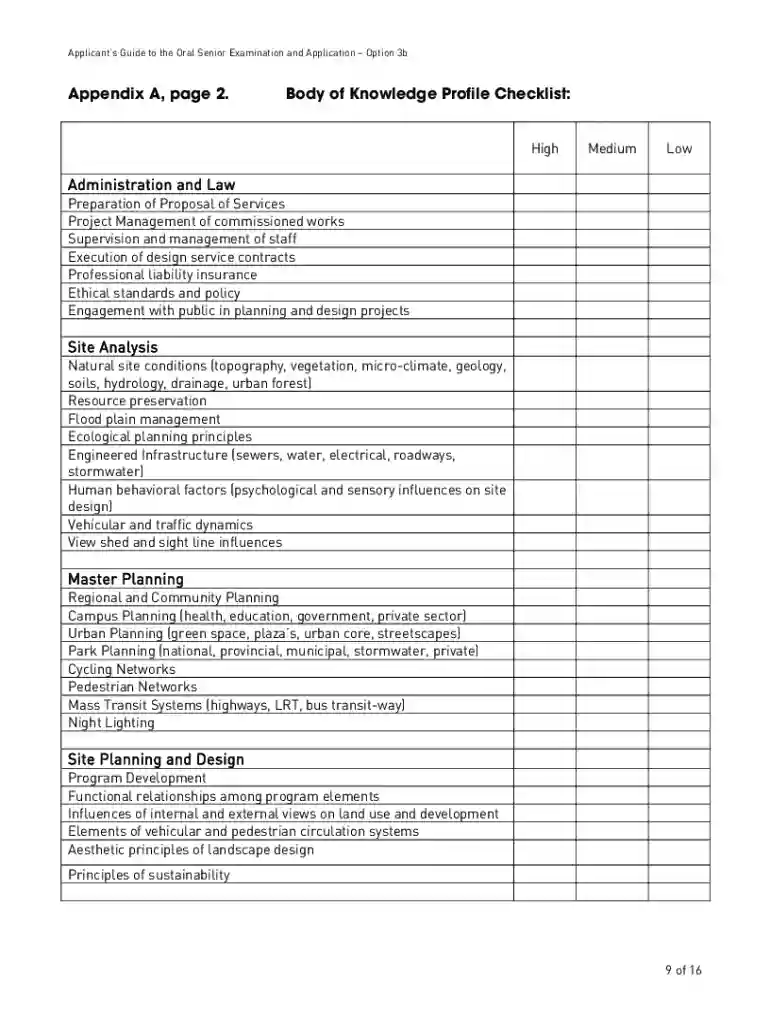
oral senior examination Preview on Page 1

Here's how it works

01. Edit your form online
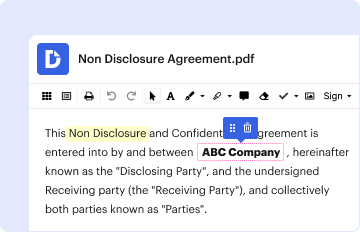
Type text, add images, blackout confidential details, add comments, highlights and more.

02. Sign it in a few clicks
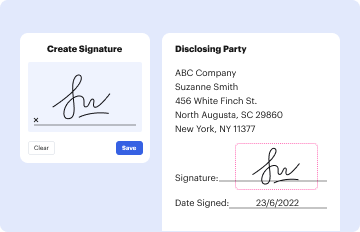
Draw your signature, type it, upload its image, or use your mobile device as a signature pad.
03. Share your form with others
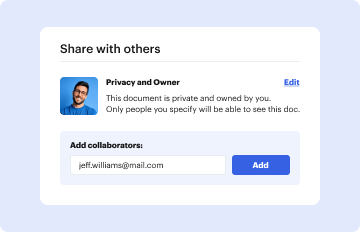
Send it via email, link, or fax. You can also download it, export it or print it out.

How to use or fill out oral senior examination with our platform

Form edit decoration
9.5
Ease of Setup
DocHub User Ratings on G2
9.0
Ease of Use
DocHub User Ratings on G2
  1. Click ‘Get Form’ to open the Oral Senior Examination document in the editor.
  2. Begin by filling out your personal information at the top of the form, including your name, address, and contact details. Ensure accuracy as this will be used for all communications.
  3. In the 'Experience' section, document your professional history post-graduation. Use a clear format to list your roles and responsibilities over the past twelve years.
  4. Complete the 'Project Data Sheets' for three projects you wish to present. Include essential details such as project name, location, cost, and a brief description of your role and contributions.
  5. Review and endorse the OALA Code of Ethics and Bylaws as required. This is crucial for demonstrating your commitment to professional standards.
  6. Once all sections are filled out, save your document. You can easily export it or share it directly from our platform for submission.

Start using our platform today to streamline your Oral Senior Examination application process!

See more oral senior examination versions

We've got more versions of the oral senior examination form. Select the right oral senior examination version from the list and start editing it straight away!
Versions Form popularity Fillable & printable
2020 4.8 Satisfied (135 Votes)
2011 4.4 Satisfied (99 Votes)
be ready to get more

Complete this form in 5 minutes or less

Get form

Got questions?

We have answers to the most popular questions from our customers. If you can't find an answer to your question, please contact us.
Contact us
As discussed above, there are four basic formats for oral exams: the interview style (general topics); the clinical style (discussing diagnosis and treatment of a specific patient); the cognitive style (problem solving); and the role-playing style.
During periodic or comprehensive oral evaluations, your dentist will review your radiographs (X-rays), conduct a visual exam, and look for inflammation, bleeding, periodontal pockets, and calculus (build-up) around and under the gum line.
Oral tests are conducted to formally evaluate if an applicant has the knowledge, skills and abilities that are important for success in a job. (An oral test is not the same as an employment interview.)
A complete oral exam is a diagnostic exam performed by your dentist to gather the necessary information for your mouth, oral and overall health. It is used to obtain important baseline information and should be repeated every few years to update all current information.
In an oral test, a panel of subject matter or job experts ask applicants a set of pre-determined oral test questions and listen to and evaluate their responses to these questions. Panel members take detailed notes of each applicants responses, usually using rating sheets that contain the answers to the questions.

Security and compliance

At DocHub, your data security is our priority. We follow HIPAA, SOC2, GDPR, and other standards, so you can work on your documents with confidence.

Learn more
ccpa2
pci-dss
gdpr-compliance
hipaa
soc-compliance
be ready to get more

Complete this form in 5 minutes or less

Get form

People also ask

Check your cheeks, lips and under your tongue. Discuss lifestyle, diet and oral hygiene habits. If necessary take dental X-rays. Assess your need for tooth restoration.
Oral assessments can take on different formats, including: Presentation on a prepared topic (individual or group, live or recorded) Interviews or discussions to assess a students knowledge or skills. Simulations or demonstrations of skills individually or with others (e.g., client or patient)

Related links