
Definition and Purpose of the CT Family Form
The CT family form serves as an official application for individuals seeking legal relief related to family matters within Connecticut’s Superior Court. This document plays a crucial role in requesting waivers for court fees, seeking appointments for legal counsel, or submitting necessary information for other family-related legal proceedings. The form is imperative for anyone who may not have the financial means to cover associated costs and requires precise completion to support the judicial process.
Related Context and Usage
- Court Fee Waivers: The CT family form includes sections where applicants can request to have their court fees waived, allowing equal access to legal resources irrespective of financial status.
- Appointment of Counsel: Individuals seeking legal representation can utilize this form to request the appointment of a public defender or other counsel, ensuring that all parties in a legal matter have the right to adequate representation.
How to Obtain the CT Family Form
Acquiring the CT family form is straightforward and can be achieved through various means, ensuring accessibility for all individuals.
Ways to Obtain the Form
- State Judiciary Website: The Connecticut Judicial Branch website provides downloadable PDF versions of the CT family form. Users can easily access this source for the most current and official version.
- Local Courthouse: Individuals can visit their local courthouse to receive a physical copy of the form from court staff, who can also offer guidance on filling it out.
- Legal Aid Organizations: Many legal aid organizations in Connecticut provide resources and assistance with the CT family form, often offering workshops or one-on-one help for those who require additional support.
Steps to Complete the CT Family Form
Completing the CT family form requires careful attention to detail to ensure all necessary information is included. The following steps guide applicants through the process:
- Personal Information: Begin by filling out personal details such as name, address, contact information, and case number, if applicable.
- Financial Disclosure: Clearly and accurately report income, expenses, and any financial obligations to assess eligibility for fee waivers or counsel.
- Legal Specifics: Indicate the type of legal assistance being sought, whether it is a fee waiver, appointment of counsel, or other family law matters.
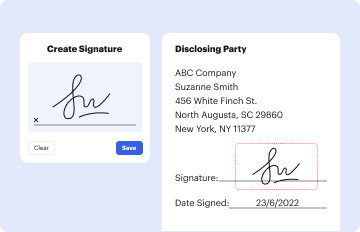
- Signature and Verification: Ensure the form is signed and dated appropriately, as many state forms require verification of the provided information.
- Submission: Review the completed form for accuracy and submit it according to the instructions provided, whether online or in person.
Common Issues to Avoid
- Failing to sign the form, which may lead to delays or rejections.
- Omitting significant financial details that could impact eligibility for assistance.
- Not adhering to submission deadlines set by the court.
Important Terms Related to the CT Family Form
Familiarity with key terminology associated with the CT family form will help applicants navigate the legal landscape effectively.
Key Terms to Understand
- Fee Waiver: A legal request to waive court fees based on financial inability.
- Public Defender: An attorney appointed by the court to represent individuals who cannot afford private legal counsel.
- Litigation: The process of taking legal action, which may require assistance from professionals indicated in the form.
- Filing Fee: The cost associated with submitting legal documents to the court, which applicants may seek to have waived.
Key Elements of the CT Family Form
Understanding the essential components of the CT family form will enable applicants to complete it comprehensively and accurately.
Core Components
- Applicant Information: Basic details that identify the individual seeking assistance.
- Financial Section: Detailed disclosure of income, assets, and liabilities to support the request for fee waivers or counsel.
- Request for Assistance: Clearly articulated needs, specifying whether the application is for a waiver, legal counsel, or other family law support.
- Signature and Declaration: A section for the applicant’s affirmation that all information is truthful, which is critical to the legitimacy of the submission.
Legal Use of the CT Family Form
The CT family form is not merely a procedural document; it has significant legal implications for those involved in family-related legal matters.
Legal Framework
- Compliance with State Law: Completion and submission of this form comply with Connecticut state laws, ensuring that applicants are considered for legal relief appropriately.
- Court Discretion: Courts have the authority to grant or deny requests based on the information provided, underscoring the importance of accuracy and completeness in the application.
Potential Outcomes
- Approval of a fee waiver can significantly impact the ability of individuals to access legal representation and the court system.
- Denial of the form may result in higher financial burdens, which can affect an individual's capacity to seek justice in family law matters.
Filing Deadlines and Important Dates
Awareness of critical deadlines associated with the CT family form is essential for successful submission and processing.
Key Dates to Consider
- Filing Deadline: Applicants are advised to submit the form well in advance of any scheduled court dates to ensure adequate time for processing and review by the court.
- Expiration of Requests: Be aware of any time limits imposed on fee waivers or other requests, as courts may require renewal or resubmission after a certain period.
By following these guidelines and understanding the CT family form's structure and purpose, individuals can navigate the family court system with greater confidence and clarity.