Heritage screening form 2026

Get Form
heritage screening form Preview on Page 1

Here's how it works

01. Edit your form online
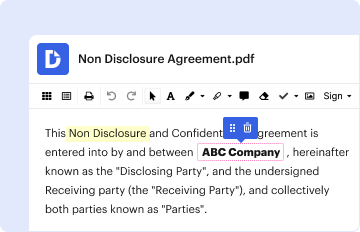
Type text, add images, blackout confidential details, add comments, highlights and more.
02. Sign it in a few clicks
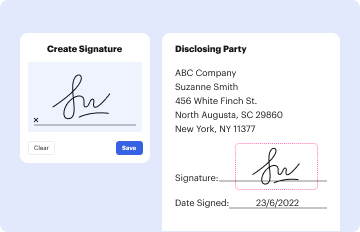
Draw your signature, type it, upload its image, or use your mobile device as a signature pad.
03. Share your form with others
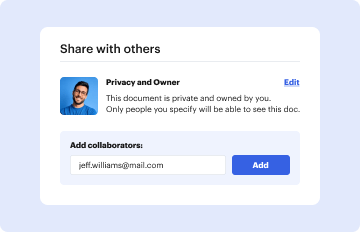
Send it via email, link, or fax. You can also download it, export it or print it out.

How to use or fill out heritage screening form with our platform

Form edit decoration
9.5
Ease of Setup
DocHub User Ratings on G2
9.0
Ease of Use
DocHub User Ratings on G2
  1. Click ‘Get Form’ to open the heritage screening form in the editor.
  2. Begin by filling in your name and project number at the top of the form. This information is essential for identifying your application.
  3. In the 'Heritage Grant Amount Requested' section, clearly state the amount you are seeking for your project.
  4. Review the Pre-Screening Criteria. Circle 'YES' or 'NO' for each statement based on your application details. Ensure both statements are true to proceed with scoring.
  5. Move to the Application Priorities section. Circle 'YES' or 'NO' for each priority statement and assign scores as indicated.
  6. Complete the Scoring Evaluation Criteria by checking off relevant boxes that apply to your project, ensuring you provide a comprehensive evaluation.
  7. Finally, fill in your printed name, signature, and date at the bottom of the form before submitting it.

Start using our platform today to easily complete your heritage screening form online for free!

be ready to get more

Complete this form in 5 minutes or less

Get form

Got questions?

We have answers to the most popular questions from our customers. If you can't find an answer to your question, please contact us.
Contact us
Costs vary depending on the complexity of the project, the heritage assets significance, and the level of detail required. On average: A basic Heritage Statement: 5001,500. Comprehensive assessments for larger projects: upwards of 2,500.
The responsibility for conducting and writing a Heritage Impact Assessment is tasked to a heritage professional, archaeologist, or consultant with expertise in cultural heritage. Heritage impact assessments are complex and require a deep knowledge of conservation.
A heritage assessment can be a separate document or a section in a planning or design and access statement. Either way, it generally has two jobs. The first is to explain the context and historical significance of your building, whether it is nationally listed or has some other kind of heritage designation.
If were talking about a nationally listed building and you are making changes that might in any way affect its historical fabric, then you should consider commissioning an architect or planning consultancy (or firm that does both!) to write your historic building impact assessment.
You will need the services of an environmental assessment practitioner (EAP). It is legally required that the appointed EAP must be independent, suitably qualified and experienced in conducting EIAs. South African EAPs are registered with The Environmental Assessment Practitioners Association of South Africa (EAPASA).
be ready to get more

Complete this form in 5 minutes or less

Get form

People also ask

The Department of the Interior (DOI) conducts PIAs on information systems and Adapted PIAs on third-party websites and applications, to evaluate privacy risks in ance with the E-Government Act of 2002 and Office of Management and Budget policy.

Related links