





Understanding Standard Charge Terms 200433
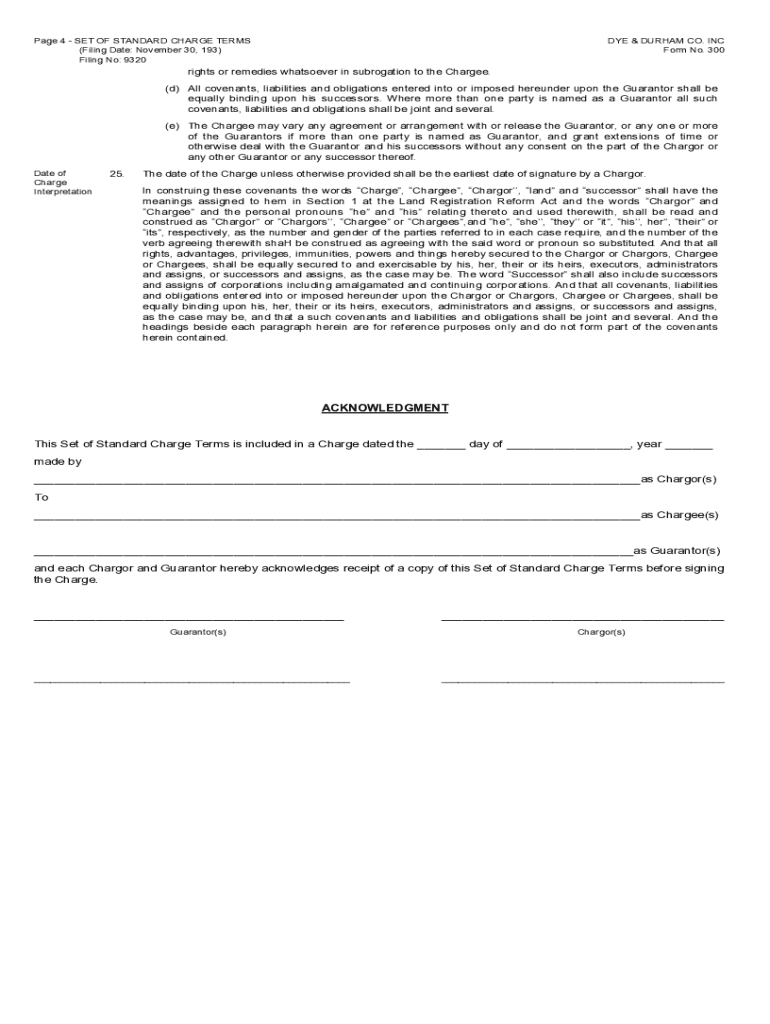
Standard charge terms are crucial in legal and financial transactions involving property charges. The standard charge terms 200433 pdf provides a detailed framework that defines the rights and obligations of both the borrower (Chargor) and the lender (Chargee). This documentation aims to ensure clarity and legal compliance throughout the lending process.
Key Components of Standard Charge Terms 200433
The standard charge terms 200433 encompasses various legal and operational components that both parties must understand:
- Title Assurance: Guarantees that the property title is free of disputes, ensuring the lender's security.
- Payment Obligations: Outlines the repayment schedule, interest rates, and consequences of defaulting on payments. Clear terms prevent misunderstandings about financial responsibilities.
- Insurance Requirements: Specifies the types of insurance policies the borrower must maintain, protecting the lender's interests in case of unforeseen events affecting the property.
- Default Consequences: Details the actions that can be taken if the borrower fails to adhere to the payment schedule, including possible foreclosure or property seizure.
These components work together to provide a comprehensive understanding of the lending agreement and safeguard both parties' interests.
Creating and Managing Fillable Forms with Standard Charge Terms 200433
To effectively use the standard charge terms 200433, it is essential to have interactive, fillable forms. Here are considerations for creating and managing these forms:
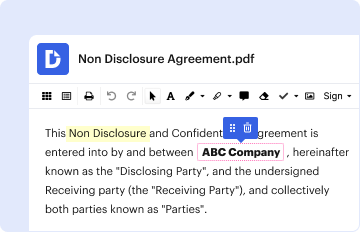
- Designing Forms: Utilize tools that allow your document to be easily filled out by stakeholders. Include fields for vital information such as names, signatures, and property details.
- Required Fields: Make specific elements mandatory, such as acknowledging the payment terms or understanding the consequences of default. This ensures critical information is captured.
- Recipient Assignment: When multiple parties are involved, ensure that fields are correctly assigned to relevant signers, simplifying the data collection process.
These features enhance document efficiency, helping stakeholders fulfill their obligations satisfactorily.
Electronic Signatures and Their Legal Validity
The inclusion of electronic signatures in the standard charge terms 200433 is significant. Here’s how these signatures hold legal weight:
- Compliance with ESIGN Act: Adherence to legal frameworks like the ESIGN Act establishes that signatures are valid and enforceable against the parties.
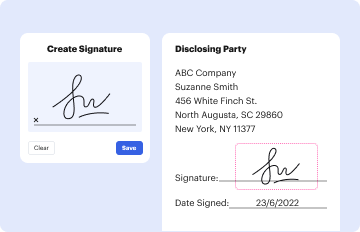
- Methods of Signing: Users can create signatures by drawing, typing, or uploading an image of their signature. This flexibility allows for diverse preferences.
- Signature Requests: The system facilitates sign requests, allowing the document to be sent to multiple signers in a designated order. This streamlines the signing process, ensuring all necessary approvals are captured efficiently.
These aspects underscore the importance of secure electronic signing in modern transactions.
Integration with Google Workspace for Enhanced Collaboration
The standard charge terms 200433 can be significantly enhanced through seamless integration with Google Workspace. This integration offers the following advantages:
- Direct Access to Documents: Users can pull files directly from Google Drive or Gmail, reducing time spent on file management.
- Real-Time Collaboration: Teams can edit and comment on documents simultaneously, ensuring that all parties are consistently updated. This real-time interaction increases productivity and clarity during negotiations.
- Easy Document Management: Once edits are completed, documents can be saved back to Google Drive, or shared directly, maintaining a streamlined workflow without complicated upload processes.
Such features illustrate how integrated tools can facilitate smoother document management for complex agreements.
Nuances of Standard Charge Terms in Property Transactions
Understanding the nuances of the standard charge terms 200433 is critical for fruitful property transactions. Consider the following aspects:
- Custom Provisions: While there are general terms, specific agreements may allow for customization depending on the transaction's nature or regional regulations.
- Regulatory Compliance: Parties must ensure compliance with local laws concerning property transactions, as this can affect the enforceability of terms.
- Long-term Implications: The weight of decisions made during property transactions can carry implications for years, affecting financing options for both parties involved.
These factors contribute to a well-rounded understanding of property engagement and financial responsibilities.
Additional Considerations for Stakeholders Using Standard Charge Terms
For stakeholders involved with the standard charge terms 200433, awareness of additional practical aspects is crucial:
- Legal Review: Engaging legal advisors during the creation and negotiation of these terms can help safeguard interests and ensure compliance.
- Potential Variants: It's essential to be aware of potential variants to the standard charge terms, such as 200830 or 201809, which may provide alternative conditions suited to distinct situations.
- Documentation Practices: Establishing sound practices for document handling, including backups and records management, can mitigate risks associated with lost or mismanaged documentation.
These considerations are vital for maintaining a legally sound and operationally effective property management strategy.