




Here's how it works

01. Edit your septic tank inspection online
Type text, add images, blackout confidential details, add comments, highlights and more.

02. Sign it in a few clicks
Draw your signature, type it, upload its image, or use your mobile device as a signature pad.

03. Share your form with others
Send it via email, link, or fax. You can also download it, export it or print it out.
How to use or fill out septic tank inspection forms with our platform

- Click ‘Get Form’ to open the septic tank inspection form in the editor.
- Begin by filling out the property information section. Enter the owner's name, mailing address, and property address accurately to ensure proper identification.
- In the system information section, provide details such as state permit number, county permit number, and installation date if known. This information is crucial for assessing compliance.
- Next, complete the tank information fields. Specify the septic tank size in gallons and indicate whether it is 1/3 full of solids. Include the last pumping date and pumper's name for maintenance records.
- Proceed to answer questions regarding system conditions and any signs of failure. This includes checking for soft areas in the absorption field and liquid evidence in vent tubes.
- Finally, review your entries for accuracy before saving or sharing your completed form directly from our platform.
Start using our platform today to easily fill out your septic tank inspection forms for free!
Fill out septic tank inspection forms online
It's free
It's free
See more septic tank inspection forms versions
We've got more versions of the septic tank inspection forms form. Select the right septic tank inspection forms version from the list and start editing it straight away!
Got questions?
We have answers to the most popular questions from our customers. If you can't find an answer to your question, please contact us.
Contact us
How much does it cost to have a septic tank inspected?
The average cost of a septic tank inspection ranges from $150 to $450, depending on various factors such as the location, complexity of the system, and service provider. Additional services such as septic tank pump-outs or repairs may increase the cost. Compare Cash Offers from Top Home Buyers.
Whats the worst thing for a septic tank?
Here is our list of things not to put in your septic tank: Drain Cleaners Other Chemicals. Flushable Wipes. Grease, Fat Oil. Cat Litter. Medications. Food Waste. Trash.
How do you do a septic inspection?
Walk across the entire drainfield checking for odors and damp areas. Are there any mushy or swampy areas or surfacing effluent? Open and look inside each inspection port (some systems). You may need a flashlight.
How do home inspectors check septic tanks?
The inspector will examine the tank and pipes for any signs of leakage, which could indicate a potential issue with the system. Assessing pipe condition. The inspector will evaluate the condition of the pipes, looking for any signs of damage, corrosion, or blockages. Measuring the septic tanks liquid level.
Can you inspect your own septic tank?
Unless required to, I wouldnt inspect it yourself. You arent going to get a good reading of sludge/ levels without a sludge judge and tanks are best inspected empty so you can see the integrity of the tank, tee, and filter.
Security and compliance
At DocHub, your data security is our priority. We follow HIPAA, SOC2, GDPR, and other standards, so you can work on your documents with confidence.
Learn more


Related forms
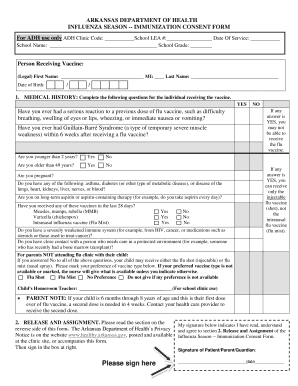
Immunization Consent Form - Cabot Public Schools
The document is an Immunization Consent Form from the Arkansas Department of Health for the influenza season. It collect ...
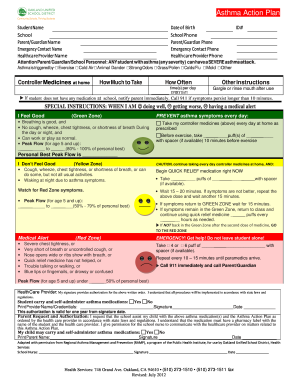
School asthma action plan pdf
The document is an Asthma Action Plan designed for students with asthma, outlining essential information such as persona ...
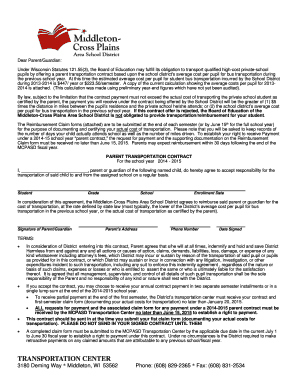
Schoold parent transportation contract mcpasd form
The document outlines the transportation reimbursement contract for parents of students attending private schools in the ...

Dl 14a
The document is an application form for obtaining a Texas driver license or identification card for adults aged 17 years ...
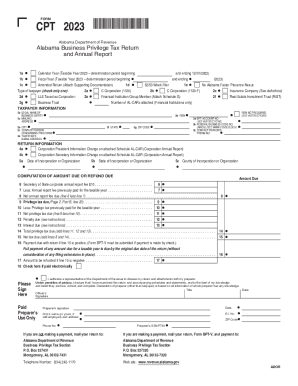
1a Calendar Year (Taxable Year 2023 determination period beginning
The document is the Alabama Business Privilege Tax Return and Annual Report for the taxable year 2023, detailing the req ...

For Paperwork Reduction Act Notice, see page 3 - fdic
The document is a Currency Transaction Report (CTR) form (Form 4789) issued by the Department of the Treasury's Internal ...

AMP Essentials Exclusive To AMP KiwiSaver Scheme Members
The document provides detailed information on the claims process for AMP Essentials Trauma cover, including contact deta ...
People also ask
Can I check my own septic tank?
You can check your own septic tank, but take precautions. Locate the access lid, usually buried a few inches underground, and remove it carefully. Look for the sludge and levels, and if theyre high, that means pumping may be necessary.
Can I inspect my septic tank myself?
The easiest way to determine the condition of your septic tank is to hire a professional experienced with septic systems. However, should you decide to inspect it yourself, follow these steps: Remove the manhole cover at the inlet end of the tank. Inspect the layer at the top of the liquid in the tank.