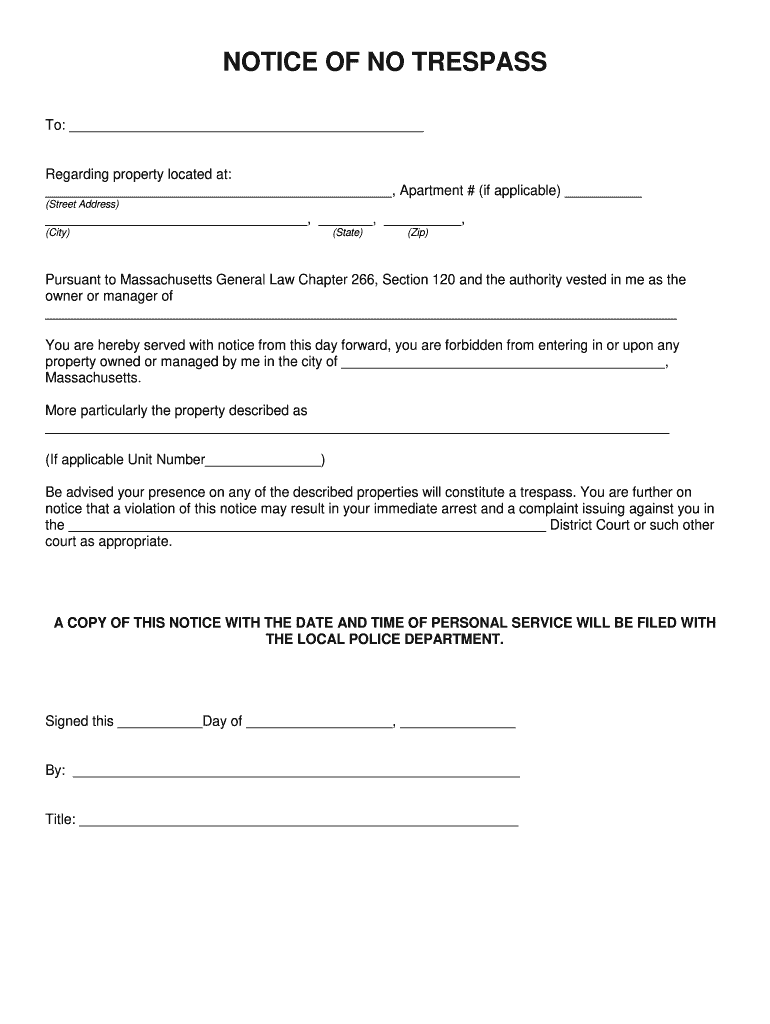





Definition and Meaning of a No Trespass Order in Massachusetts
A no trespass order in Massachusetts serves as a formal notification issued by a property owner, prohibiting specified individuals from entering their property. This legal tool is intended to control unwanted access and protect the owner's rights. Usually, it is employed in scenarios where the presence of a specific individual poses a threat or disturbance to the property owner, residents, or guests.
Key Aspects of a No Trespass Order
- Legal Basis: Under Massachusetts law, a no trespass order reinforces property rights and can be enforced by law enforcement. It provides property owners with a legal recourse against individuals who disregard their requests to stay off the premises.
- Consequences of Violation: If an individual violates a no trespass order, they can be subject to arrest and potential criminal charges for trespassing.
- Issuance: A no trespass order can be issued verbally or in written form, with the latter being preferred for legal clarity. Official notices often specify the boundaries of the prohibited area and may include details about the property.
How to Obtain a No Trespass Order in Massachusetts
Acquiring a no trespass order involves several deliberate steps to ensure legality and enforceability. Here’s a detailed breakdown:
-
Determine Eligibility: Primarily, the person filing the order must be the property owner or an authorized representative with the legal right to exclude others from the property.
-
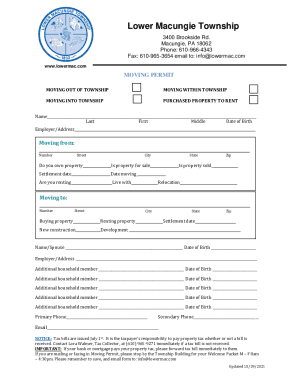
Draft the Order: Utilizing a no trespass order form, the owner must detail:
- The names of individuals being forbidden to enter
- Specific properties or areas where the order applies
- Duration of the order, if applicable
-
Delivering the Notice: The order should be:
- Personally delivered to the individual
- Placed in a conspicuous location on the property if the individual is not available
-
Seek Legal Advice: Consultation with a legal expert can provide clarity on language and enforceability to prevent potential legal challenges.
-
File with Local Authorities: Depending on the circumstances, it may be beneficial to file the order with local law enforcement to provide them with documentation in case enforcement is needed.
Steps to Complete the No Trespass Order in Massachusetts
Completing the no trespass order involves a structured approach to ensure all legal requirements are met. Here are the essential steps:
-
Identify Property Details: Clearly state the property descriptions, including address and boundary markers.
-
List Target Individuals: Include names and, if available, identification of the individuals to whom the order applies.
-
Specify the Terms: Clearly articulate the conditions under which the individuals are prohibited from entering the property. This can include:
- Time frames (e.g., specific hours or days)
- Areas of the property (e.g., entire premises or specific zones)
-
Sign and Date the Document: The owner must sign and date the order to make it legally binding.
-
Disseminate Copies: Consider providing copies to relevant parties (law enforcement) and keeping records for personal documentation.
Importance of a No Trespass Order in Massachusetts
Understanding the significance of a no trespass order can help property owners protect their rights effectively.
-
Protecting Safety: The primary purpose of issuing a no trespass order is to ensure the safety of individuals on the property and safeguard against unwelcome intrusions, especially in cases involving harassment or threats.
-
Establishing Boundaries: It defines clear boundaries, allowing property owners to assert their rights without ambiguity.
-
Facilitating Law Enforcement: By having a formal order documented, law enforcement can take swift action when there are violations, providing a legal basis for arrest if necessary.
Who Typically Uses a No Trespass Order in Massachusetts?
No trespass orders are utilized by various entities and individuals, including:
- Homeowners: To protect their residential properties from unwanted visitors or former occupants.
- Businesses: Retailers and commercial establishments might use such orders against shoplifters or individuals who create disturbances.
- Landlords: They can issue orders to former tenants who have not vacated the premises legally.
- Organizations: Nonprofits or community organizations may employ these orders to safeguard event locations or facilities.
By effectively employing a no trespass order in Massachusetts, property owners can assert their legal rights and maintain the safety and integrity of their properties.