Letter from Tenant to Landlord responding to Notice to Terminate for Noncompliance - Noncompliant condition caused by Landlord's own deliberate or negligent act - Maine
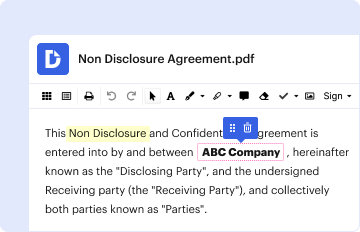
Type text, add images, blackout confidential details, add comments, highlights and more.
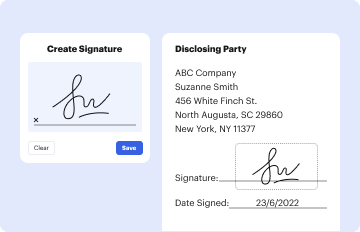
02. Sign it in a few clicks
Draw your signature, type it, upload its image, or use your mobile device as a signature pad.
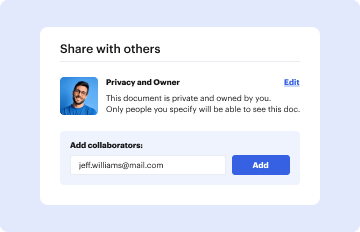
03. Share your form with others
Send it via email, link, or fax. You can also download it, export it or print it out.
How to use or fill out Letter from Tenant to Landlord responding to Notice to Terminate for Noncompliance - Noncompliant condition caused by Landlord's own deliberate or negligent act - Maine with our platform
Ease of Setup
DocHub User Ratings on G2
Ease of Use
DocHub User Ratings on G2
Click ‘Get Form’ to open it in the editor.
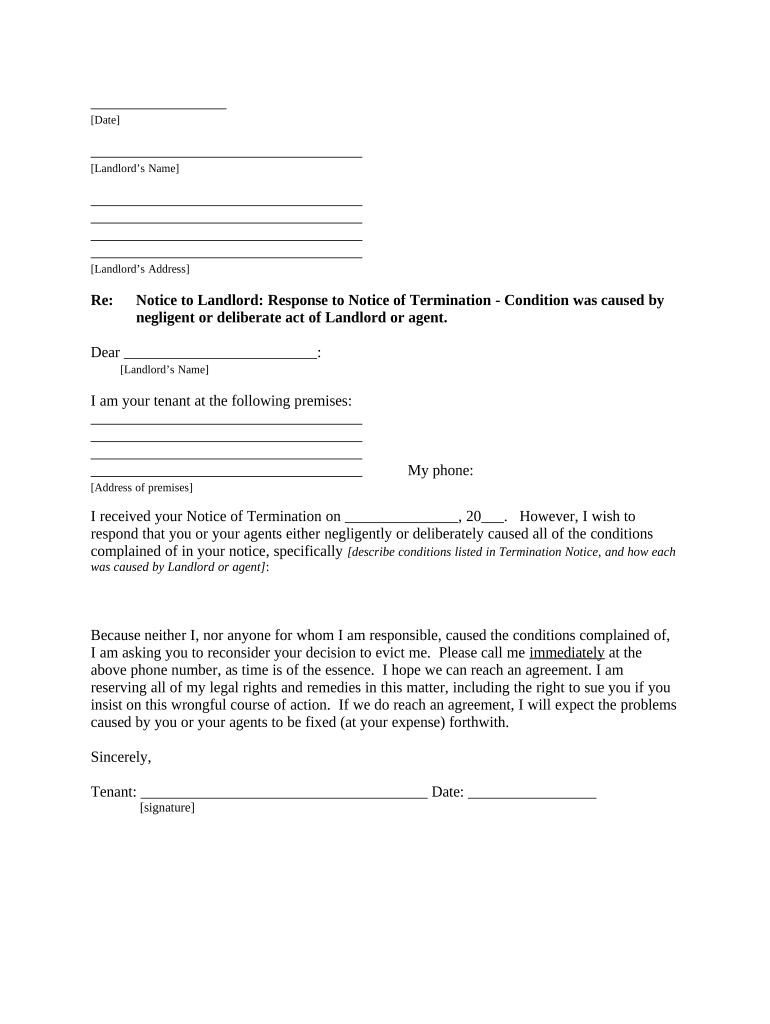
Begin by entering the date at the top of the letter. This sets the context for your response.
Fill in the landlord’s name and address in the designated fields. Ensure accuracy for effective communication.
In the salutation, address your landlord directly using their name, which personalizes your response.
Provide your address and phone number where indicated. This information is crucial for follow-up discussions.
State the date you received the Notice of Termination clearly. This establishes a timeline for your response.
Describe the conditions mentioned in the termination notice and explain how they were caused by the landlord or their agents. Be specific and factual.
Conclude with a request for reconsideration of eviction, emphasizing urgency and willingness to resolve issues amicably.
Sign and date at the bottom of the letter, ensuring that it is formally completed before sending.
Select a method of delivery (personal delivery, certified mail, etc.) in the Proof of Delivery section and sign accordingly.
Start editing your document today on our platform for free!
Fill out Letter from Tenant to Landlord responding to Notice to Terminate for Noncompliance - Noncompliant condition caused by Landlord's own deliberate or negligent act - Maine online It's free
Steps To Writing a Complaint Letter to a Landlord Explain Your Complaint. Explain the Impact. Suggest a Solution. Attach Any Relevant Documentation. Include a Deadline to Respond.
How to write a letter to terminate a rental agreement?
I am writing to formally notify you that I will be terminating your lease agreement early for the property located at (Rental Property Address). As per the terms outlined in our lease agreement, I am providing you with (number of days) days notice, with the lease ending on (termination date).
What is the statute of eviction in Maine?
30-day written notice Your landlord can evict you with 30 days notice for almost any reason or no reason. Exceptions: You may be able to stop the eviction if your landlord is evicting you because of retaliation or illegal discrimination. Read Retaliation defense and Discrimination defense.
What is the most common cause for bdocHubing a lease?
One of the most common problems landlords face is unpaid rent. Lease agreements should state the due date for payments, so even a single late payment can constitute a violation of the agreement.
What are common landlord-tenant disputes in CA?
Some of the most common lease violations by tenants include unauthorized subletting, keeping pets without permission, failure to pay rent, and violating noise or occupancy restrictions. When tenants violate the lease agreement, landlords have the right to take legal action to enforce the terms of the lease.
Related Searches
3 day notice to quit (non-curable breach)60-day notice to terminate tenancy california covidhow to respond to a 3 day notice to quit in californiahow much notice does a landlord have to give a tenant to move out3 day notice to quit nuisance california3-day notice to pay or quit california 202230-day notice to quit california3 day notice to pay or quit california pdf
Security and compliance
At DocHub, your data security is our priority. We follow HIPAA, SOC2, GDPR, and other standards, so you can work on your documents with confidence.
What is the most common action taken by landlords against tenants in bdocHub of contract?
Eviction: If the court finds that there is a bdocHub of lease they will issue an Order of Restitution, which orders the Sherriff to remove the Tenant from the property. Attorneys fees may be available.
Related links
Public Housing Occupancy Guidebook
acts or omissions whether intentional or negligent on the part of the landlord or the landlords authorized representatives or agents;. Waiver of legal
Cookie consent notice
This site uses cookies to enhance site navigation and personalize your experience.
By using this site you agree to our use of cookies as described in our Privacy Notice.
You can modify your selections by visiting our Cookie and Advertising Notice.