





Understanding the MD Waiver Form
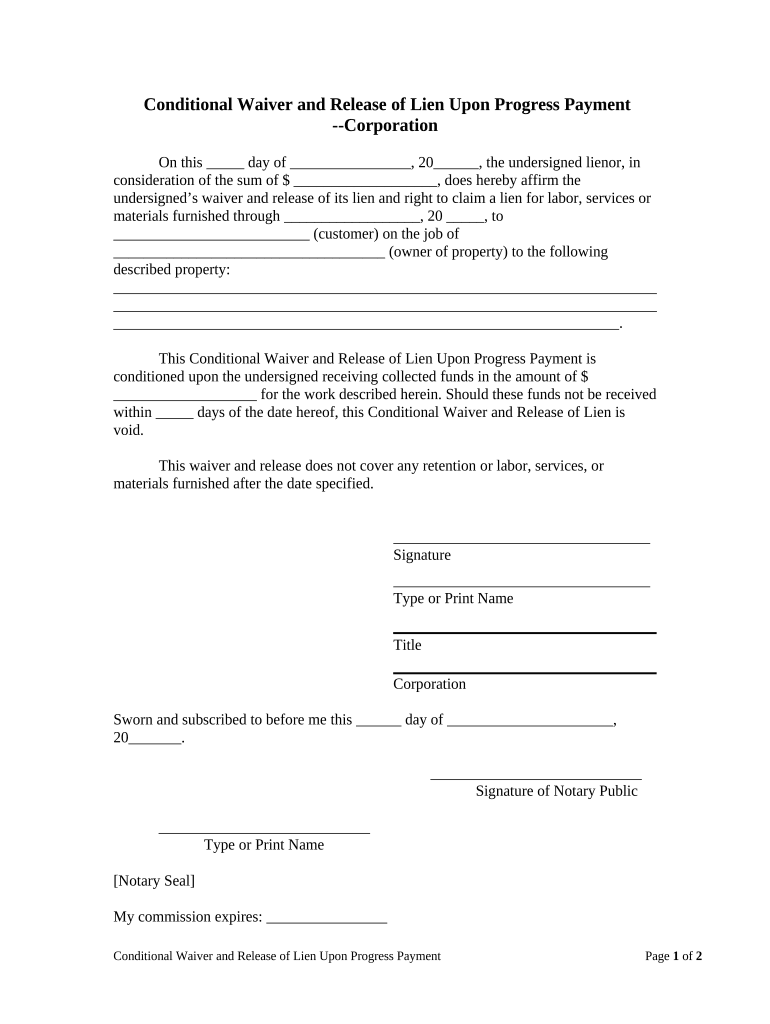
The MD waiver form, particularly the Maryland emissions waiver, is designed for vehicle owners looking to exempt their vehicles from emissions testing. This waiver is crucial for individuals unable to pass the emissions inspection due to financial restraints or specific age exemptions. The form serves as an official request, ensuring compliance with state regulations while allowing eligible motorists to maintain mobility.
Purpose of the MD Waiver Form
The primary purpose of the Maryland emissions waiver form is to provide relief to vehicle owners who have failed emissions tests but meet certain criteria. Key factors influencing eligibility include:
- Age of the Vehicle: Vehicles over a specific age may qualify for exemptions.
- Financial Hardship: Demonstrating financial inability to repair emissions-related issues.
- Health Considerations: Specific cases may consider health impacts related to vehicle repairs.
The waiver allows applicants to bypass the traditional inspection process, thereby preventing additional expenses related to repairs that may not be feasible.
Eligibility Criteria for the MD Emissions Waiver
To qualify for the Maryland emissions waiver, applicants must meet specific requirements, including:
- Failure to Pass Inspection: The vehicle must have undergone an emissions inspection and failed.
- Submission of Required Documents: Applicants need to provide proof of their situation, which may include:
- Repair estimates
- Financial documents demonstrating need
- Previous inspection reports
- Vehicle Age Exemption: Generally, vehicles older than twenty years may automatically qualify for exemption.

Steps to Obtain the MD Waiver Form
Acquiring the Maryland emissions waiver form involves several straightforward steps:
- Visit the Official Website: Access the MD emissions waiver page on myMVA.
- Download the Form: Locate the MD waiver form, which is typically available in a downloadable PDF format.
- Complete the Form: Fill out all required fields accurately. This includes personal information, vehicle details, and the reasons for the waiver request.
- Compile Supporting Documents: Gather necessary documentation to support your waiver application.
- Submit the Form: Once completed, submit the form through the designated channels, either online or by mail.
Important Terms Related to the MD Waiver Form
Understanding key terminology related to the emission waiver form enhances clarity and compliance with the process. Here are some essential terms:
- VEIP: Vehicle Emissions Inspection Program, referring to the system through which emissions inspections are conducted in Maryland.
- Emissions: Refers to harmful pollutants released from vehicle exhaust, primarily concerning health and environmental standards.
- Waiver: A legal document that allows an applicant to bypass standard requirements under certain conditions.
Penalties for Non-Compliance with Emissions Regulations
Failing to comply with Maryland's emissions regulations can lead to significant penalties, including:
- Fines: Monetary penalties imposed for not adhering to emissions testing and repair mandates.
- Suspension of Registration: The Maryland Motor Vehicle Administration (MVA) may suspend vehicle registration for non-compliance.
- Legal Consequences: Continued disregard for emissions regulations can result in legal actions or restrictions on vehicle operation.
Additional Considerations for the Emissions Waiver
- The waiver does not exempt vehicle owners from future inspections; it merely provides temporary relief.
- The regulations may change, and vehicle owners should regularly check the myMVA website for updates.
- It is advisable to keep records of any communications with the MVA regarding the waiver application process.
Real-World Example of Utilizing the MD Waiver Form
A common scenario involves a senior citizen who owns a vehicle that failed its emissions test. After receiving an expensive repair estimate that exceeds their budget, they decide to apply for the MD emissions waiver. By submitting the completed form alongside documentation of their financial situation and proof of the vehicle's age, they successfully obtain the waiver, allowing them to operate the vehicle without needing costly repairs. This underscores how the emissions waiver can serve as an essential resource for individuals facing unique or challenging circumstances.
Conclusion
The MD emissions waiver form is a vital tool for qualifying vehicle owners in Maryland, offering exemptions from emission testing under specific conditions. Understanding the requirements, submission process, and implications of the waiver empowers individuals to manage their vehicles within the state's regulatory framework effectively.