Warranty Deed from Husband to Himself and Wife - Maryland 2026

Get Form
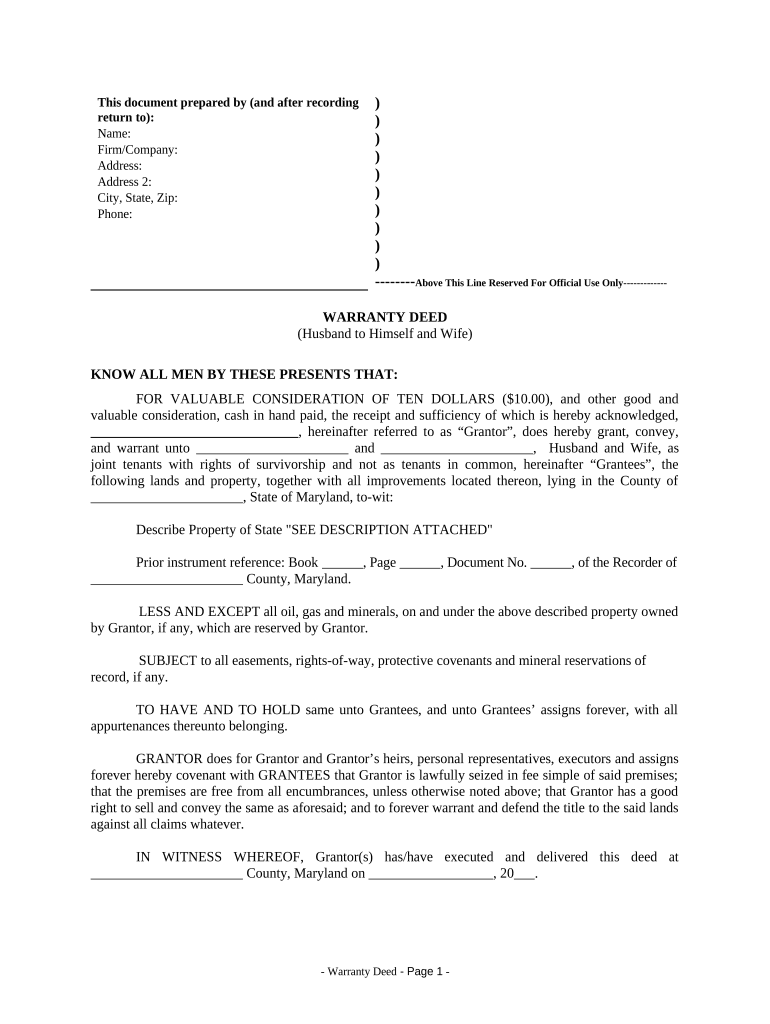
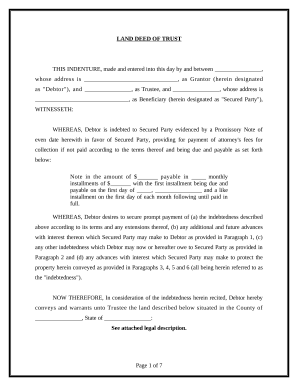
Warranty Deed from Husband to Himself and Wife - Maryland Preview on Page 1

Here's how it works

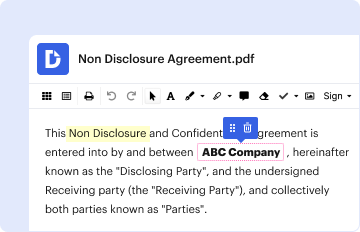
01. Edit your form online
Type text, add images, blackout confidential details, add comments, highlights and more.
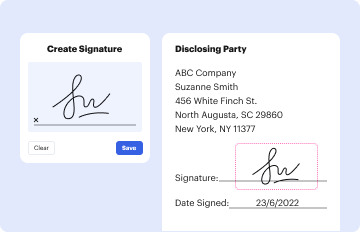
02. Sign it in a few clicks
Draw your signature, type it, upload its image, or use your mobile device as a signature pad.
03. Share your form with others
Send it via email, link, or fax. You can also download it, export it or print it out.

How to use or fill out Warranty Deed from Husband to Himself and Wife - Maryland with our platform

Form edit decoration
9.5
Ease of Setup
DocHub User Ratings on G2
9.0
Ease of Use
DocHub User Ratings on G2
  1. Click ‘Get Form’ to open the Warranty Deed in the editor.
  2. Begin by entering the Grantor's name, firm/company, address, and contact information in the designated fields at the top of the form.
  3. In the section labeled 'KNOW ALL MEN BY THESE PRESENTS THAT', input the names of both Grantees (Husband and Wife) as well as their joint tenancy status.
  4. Describe the property being transferred in detail. If there is an attachment with a description, indicate 'SEE DESCRIPTION ATTACHED'.
  5. Fill in any prior instrument references if applicable, including Book, Page, and Document Number.
  6. Ensure to include any reservations or exceptions related to oil, gas, and minerals if they apply.
  7. Complete the execution section by typing in the date and county where the deed is executed. Both Grantors should sign and type their names as required.
  8. Select one of the certification options regarding who prepared the document and have it signed accordingly.
  9. Finally, ensure that a Notary Public acknowledges your signatures for legal validation.

Start using our platform today to easily complete your Warranty Deed online for free!

be ready to get more

Complete this form in 5 minutes or less

Get form

Got questions?

We have answers to the most popular questions from our customers. If you can't find an answer to your question, please contact us.
Contact us
The difference between a Quit Claim Deed and an Interspousal Transfer Grant Deed is liability. The spouse who selects to give up their interest in the property can be held liable for taxes, liens and other debts associated with the property in a Quit Claim Deed but not in an Interspousal Transfer Grant Deed.
To change the names on a real estate deed, you will need to file a new deed with the Division of Land Records in the Circuit Court for the county where the property is located. The clerk will record the new deed.
No both names do not have to be on the mortgage or the title. Usually even if one spouse is on the mortgage the lender can require that both spouses be on the title unless the other spouse signs and agreement to waive their right to be on the title.
Ultimately, you and your co-owners should select the ownership structure that serves in everyones best interest. Tenancy in common is the most flexible arrangement for each party involved. Each co-owner can buy, sell, and bequeath their personal share of property interest without affecting the other tenants.
Tenancy by the Entirety Each spouse owns an undivided interest in the real property, and there is a right of survivorship. Maryland has a presumption that property held by a married couple is held as tenants by the entireties. The presumption applies to property acquired by the married couple.
be ready to get more

Complete this form in 5 minutes or less

Get form

People also ask

The Warranty of Title clause ensures that the seller guarantees they have the legal right to transfer ownership of the goods being sold and that the title is free from any encumbrances, liens, or other claims. This clause protects the buyer from any third-party claims on the title that may arise after the purchase.
Both names should be on the deed and it should be held with right of survivorship. The deed is the only document thst gives ownership. a Mortgage does not give ownership. It is a debt that is placed as a lien against the property. Anyone can pay a

Related links