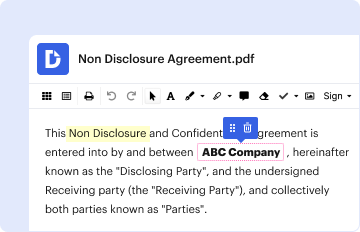
Type text, add images, blackout confidential details, add comments, highlights and more.
02. Sign it in a few clicks
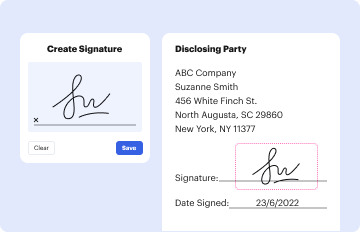
Draw your signature, type it, upload its image, or use your mobile device as a signature pad.
03. Share your form with others
Send it via email, link, or fax. You can also download it, export it or print it out.
How to use or fill out Letter from Tenant to Landlord containing Notice to landlord to cease retaliatory threats to evict or retaliatory eviction - Massachusetts
Ease of Setup
DocHub User Ratings on G2
Ease of Use
DocHub User Ratings on G2
Click ‘Get Form’ to open it in the editor.
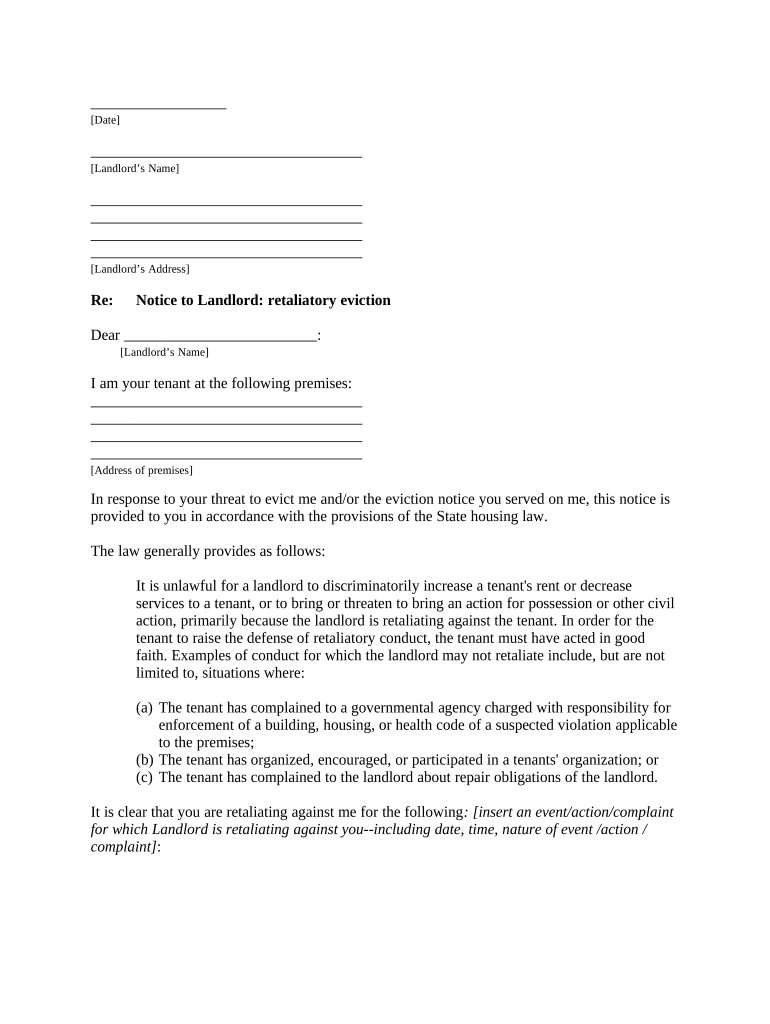
Begin by entering the date at the top of the letter. This is important for record-keeping and establishes when the notice was issued.
Fill in the landlord’s name and address in the designated fields. Ensure accuracy as this is a formal communication.
In the salutation, address your landlord directly using their name. This personal touch reinforces the seriousness of your notice.
Provide your address as the tenant in the specified section. This clarifies which property is involved in this matter.
Clearly state your reasons for sending this notice, detailing any retaliatory actions taken by your landlord. Be specific about dates and events.
Conclude with a demand for withdrawal of any eviction threats, emphasizing that you will defend against such actions based on retaliation laws.
Sign and date the document at the bottom, ensuring you have a record of your communication.
Select how you delivered this notice (personal delivery, certified mail, etc.) and sign again if required for proof of delivery.
Start using our platform today to easily fill out and manage your documents for free!
Fill out Letter from Tenant to Landlord containing Notice to landlord to cease retaliatory threats to evict or retaliatory eviction - Massachusetts online It's free
What is considered landlord retaliation in Massachusetts?
Examples of Landlord Retaliation The kinds of retaliatory acts covered by most state statutes include the following: Increasing the rent. Decreasing services or not performing necessary repairs in the rental unit. Claiming there was no security deposit or not returning a security deposit.
How to prove a retaliatory eviction?
Note that even if the landlord proves that he or she has a valid reason for the eviction, the tenant can prove retaliation by showing that the landlords effort to evict the tenant is not in good faith and is primarily based on a goal of punishing the tenant for exercising said rights.
How to write a letter to stop eviction?
When disputing an eviction, tenants should write a clear letter explaining their situation, including timely rent payments and efforts to address property issues. The letter should be polite, factual, and include any supporting details like family assistance or plans to complete repairs.
What happens if a tenant threatens a landlord?
First, and foremost, if a tenant threatens you or someone on your staff, you are not required to just accept that sort of treatment. You may take aggressive legal action to remove such a tenant from your property.
Related Searches
Sample letter to landlord to stop evictionTenant at will eviction MassachusettsNotice to Quit Massachusetts PDFMassachusetts tenant rights PDFHow to evict a tenant in MA with no leaseSample letter from landlord to tenant giving noticeWhat makes a notice to quit invalid Massachusetts14-day notice to quit Massachusetts
Security and compliance
At DocHub, your data security is our priority. We follow HIPAA, SOC2, GDPR, and other standards, so you can work on your documents with confidence.
Jun 28, 2024 A notice to quit is a legal document the landlord must give you to start the eviction process. It does not mean you have to leave. You should
Cookie consent notice
This site uses cookies to enhance site navigation and personalize your experience.
By using this site you agree to our use of cookies as described in our Privacy Notice.
You can modify your selections by visiting our Cookie and Advertising Notice.