




Definition and Meaning of Response Motion Template
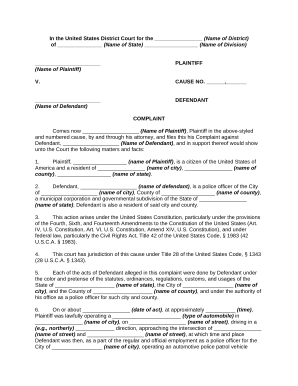
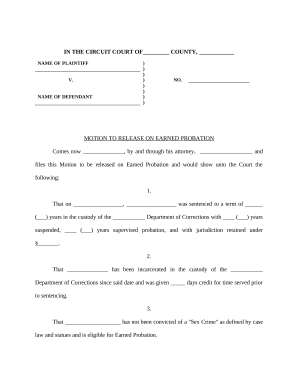
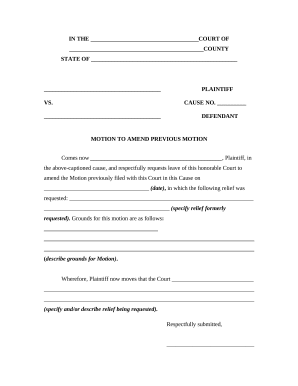
A response motion template serves as a structured document design specifically for formal responses to legal motions filed in a court setting. This template standardizes the format and language used, making it easier for individuals involved in litigation to address requests or claims made by the opposing party. The template typically includes sections for stating the case background, outlining specific objections or arguments against the motion, and presenting any supporting evidence or legal precedents.
Key Components:
- Case Information: Essential details like case number, parties involved, and specific motion being responded to.
- Statement of Facts: Clear presentation of pertinent facts that support the respondent's position.
- Legal Arguments: Structured development of legal reasoning, often referencing statutes, case law, or rules of court.
- Conclusion and Prayer for Relief: A summarizing statement that requests the court to deny the opposing party's motion or grant specific relief.
Steps to Complete the Response Motion Template
Filling out a response motion template requires attention to detail and an understanding of legal language. The following steps provide a sequential approach to complete the template effectively.
-
Gather Case Information: Collect all relevant details about the case, including the motions filed, dates, and parties.
-
Read the Opposing Motion: Thoroughly review the motion to understand the arguments and claims made by the opposing party.
-
Draft the Response:
- Start with the heading and case details.
- Clearly outline your objections to each point raised in the opposing motion.
- Provide factual support and legal precedents to bolster your positions.
-
Review and Edit: Proofread the response for clarity, accuracy, and completeness. Ensure that all claims are supported by evidence and legal references.
-
File the Document: Submit the completed response motion according to the court's filing procedures, ensuring compliance with any deadlines.
Important Terms Related to Response Motion Template
Understanding key legal terminology is crucial when working with a response motion template. Familiarity with these terms can enhance clarity in drafting and filing.
- Motion: A formal request made to the court, typically seeking a specific ruling or order.
- Plaintiff and Defendant: The parties involved in a case, with the plaintiff initiating the action and the defendant responding.
- Objection: A formal expression of disapproval regarding a specific motion or request made by the opposing party.
- Evidence: Material presented in court to support or contest the motion, including documents or witness testimony.
Legal Use of the Response Motion Template
The response motion template is utilized within the legal realm to maintain procedural integrity and ensure that legal arguments are presented in an organized manner. Using this template can lead to several advantages:
- Clarity: Clearly structured responses help judges and opposing counsel easily navigate the arguments.
- Consistency: Standardizing responses can ensure adherence to court rules and enhance the professional quality of submissions.
- Efficiency: Quick access to relevant sections speeds up the response process, particularly when multiple motions are involved.
Examples of Using the Response Motion Template
Examples illustrate the practical application of a response motion template in various legal scenarios. These cases reflect typical objections and how they can be structured using the template.
-
Sample Case: A defendant responds to a motion for summary judgment.
- Argument against the motion: The response highlights factual disputes that necessitate a trial, supported by evidence from discovery.
-
Sample Case: A plaintiff responds to a motion to dismiss for lack of jurisdiction.
- Argument might include: Demonstrating the court's jurisdiction through evidence of business operations conducted within the jurisdiction's boundaries.
State-Specific Rules for the Response Motion Template
Each jurisdiction may have unique requirements governing the format and content of response motions. Familiarizing yourself with state-specific rules is essential for compliance. Variations may include:
- Required Formatting: Differences in font size, margins, and line spacing across jurisdictions.
- Filing Deadlines: Varying timelines for responding to motions, affecting case strategy.
- Local Court Rules: Specific guidelines dictating how responses should be structured and what content is mandatory.
Who Typically Uses the Response Motion Template
Utilization of response motion templates spans various legal contexts, emphasizing their importance in the legal process. Typical users include:
- Pro Se Litigants: Individuals representing themselves in court who may benefit from a structured template.
- Attorneys: Legal professionals who utilize templates to maintain consistency and efficiency when drafting responses for multiple cases.


Key Elements of the Response Motion Template
A comprehensive response motion template should include essential elements that support well-reasoned arguments. These elements generally consist of:
- Title and Case Number: To identify the document purpose within the judicial context.
- Background: A concise summary of the case history relevant to the motion being responded to.
- Arguments Against Motion: Clear sections to delineate specific objections, supported by legal citations and factual evidence.
- Notices for Filing and Service: Clear instructions stating how the document should be filed and served to opposing parties.