



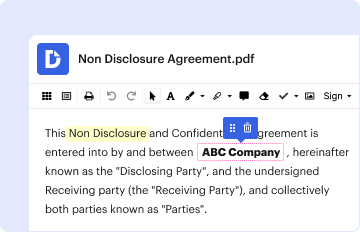
01. Edit your spray tan consent form online
Type text, add images, blackout confidential details, add comments, highlights and more.

Type text, add images, blackout confidential details, add comments, highlights and more.
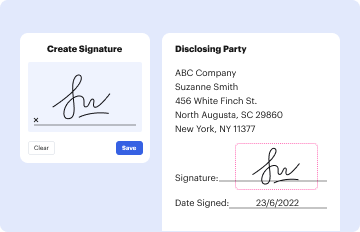
Draw your signature, type it, upload its image, or use your mobile device as a signature pad.

Send spray tan consent form pdf via email, link, or fax. You can also download it, export it or print it out.
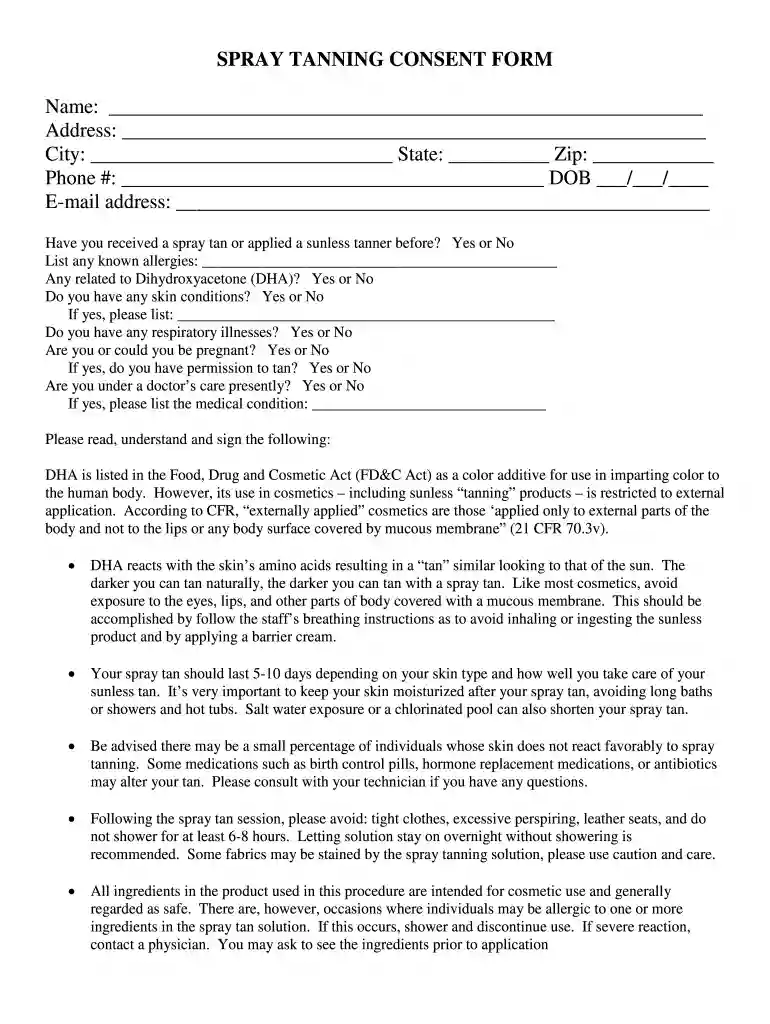
The spray tan consent form is a document designed to collect essential information from clients prior to undergoing a spray tanning procedure. This form serves multiple purposes, including gathering personal details, medical history, and a clear acknowledgment of the potential risks associated with spray tanning, specifically those related to the use of Dihydroxyacetone (DHA), a common active ingredient in tanning solutions.
The primary elements included in the form are the client's name, contact information, and a detailed medical history that may influence the tanning process; this generally covers any skin conditions, allergies, or medications currently being taken. By signing the form, clients recognize the risks involved and agree to hold the tanning facility harmless for any adverse reactions or outcomes.
Completing the spray tan consent form is straightforward, designed to ensure that all necessary information is accurately documented. Below are the key steps:
Read the Form Thoroughly: Before filling out the form, clients should carefully read the instructions and terms outlined within. This ensures understanding of the procedure and any risks involved.
Fill Out Personal Information: Clients must provide their full name, contact details, and any relevant identification numbers. If required, they should also note any previous tanning experiences.
Document Medical History: This section is crucial, requiring clients to disclose any known allergies, skin conditions, or medications that could affect how their skin reacts to the spray tan.
Understand Risks and Instructions: Clients should review the outlined risks associated with DHA and the spray tanning process. Also, care instructions pre- and post-application need to be acknowledged.
Sign and Date the Form: The final step requires the client’s signature and the date to confirm understanding and acceptance of the information contained in the document.
Submitting the Form: Depending on the facility, the completed form might be submitted either physically or via a digital platform specified by the tanning service provider.
The spray tan consent form encompasses several key elements that ensure clarity, legal protection, and safety for both clients and service providers. The major components include:
Incorporating these elements not only enhances client safety but also safeguards the tanning service by documenting informed consent.
A variety of professionals and businesses utilize the spray tan consent form as part of their service processes. Predominantly, it is used by:
This form acts as a protective measure for both clients and professionals by clearly communicating expectations and responsibilities.


The legal implications associated with the spray tan consent form are significant. The document plays a critical role in protecting the tanning service provider from potential legal claims arising from adverse reactions. Here are essential considerations:
Informed Consent: By signing the consent form, clients signify that they understand the risks involved with the tanning procedure. This informed consent is a fundamental principle in both healthcare and cosmetic services.
Liability Release Clauses: Many forms include specific clauses that protect the facility from liability claims, provided the client was made aware of risks and followed care instructions.
Documentation: Maintaining records of signed consent forms can prove invaluable in legal disputes, showcasing that the client had been informed and assented to the process.
Understanding the legal ramifications of the spray tan consent form emphasizes its importance for both the client’s safety and the business's liability protection.
A thorough comprehension of the language surrounding the spray tan consent form aids both service providers and clients in navigating the tanning process. Essential terms include:
Dihydroxyacetone (DHA): The active ingredient in spray tanning solutions that reacts with the skin to produce a tan-like appearance.
Contraindications: These refer to specific conditions or factors that may impair the ability to use spray tanning safely, such as certain skin disorders or allergy profiles.
Waiver: A legal term denoting the voluntary relinquishing of any claim to damages due to adverse effects or dissatisfaction with the tanning process.
Post-Tan Care: A set of guidelines intended to maintain the quality and longevity of the tan, crucial for client satisfaction.
Spray Tan Liability: Refers to the legal risks associated with providing spray tanning services, which the consent form seeks to mitigate.
Familiarity with these terms is beneficial in ensuring clarity around the spray tanning process and its associated risks.
Yes, you can use DocHub for signing any business and private paperwork, including your spray tan waiver. All eSignatures you generate with our service are legally binding and court-admissible, as DocHub complies with criteria required by ESIGN and UETA. Save your accomplished paperwork with a detailed Audit Trail if necessary.
Using a swift editing system like DocHub, you do not require anything but a web browser and connection to the internet to modify your spray tanning consent form online swiftly. Upload your file or find the relevant form in DocHub’s catalog, open our editor with a single click, and complete it digitally. To edit your forms anytime, register a free profile with DocHub.
At DocHub, your data security is our priority. We follow HIPAA, SOC2, GDPR, and other standards, so you can work on your documents with confidence.
This form is for reference purposes only. It is a general guideline and not a statement of standard of care. Rather, this form should be edited and amendedRead more
PARENT/GUARDIAN CONSENT FORM. Pursuant to KRS 217.922, an owner, employee, or operator of a tanning facility may not allow a minor under the age of eighteen.Read more
Confidentiality Statement. Confidentiality Statement: Data and information contained in this document are considered to constitute trade secrets.Read more


